Tooling Amortization Costs
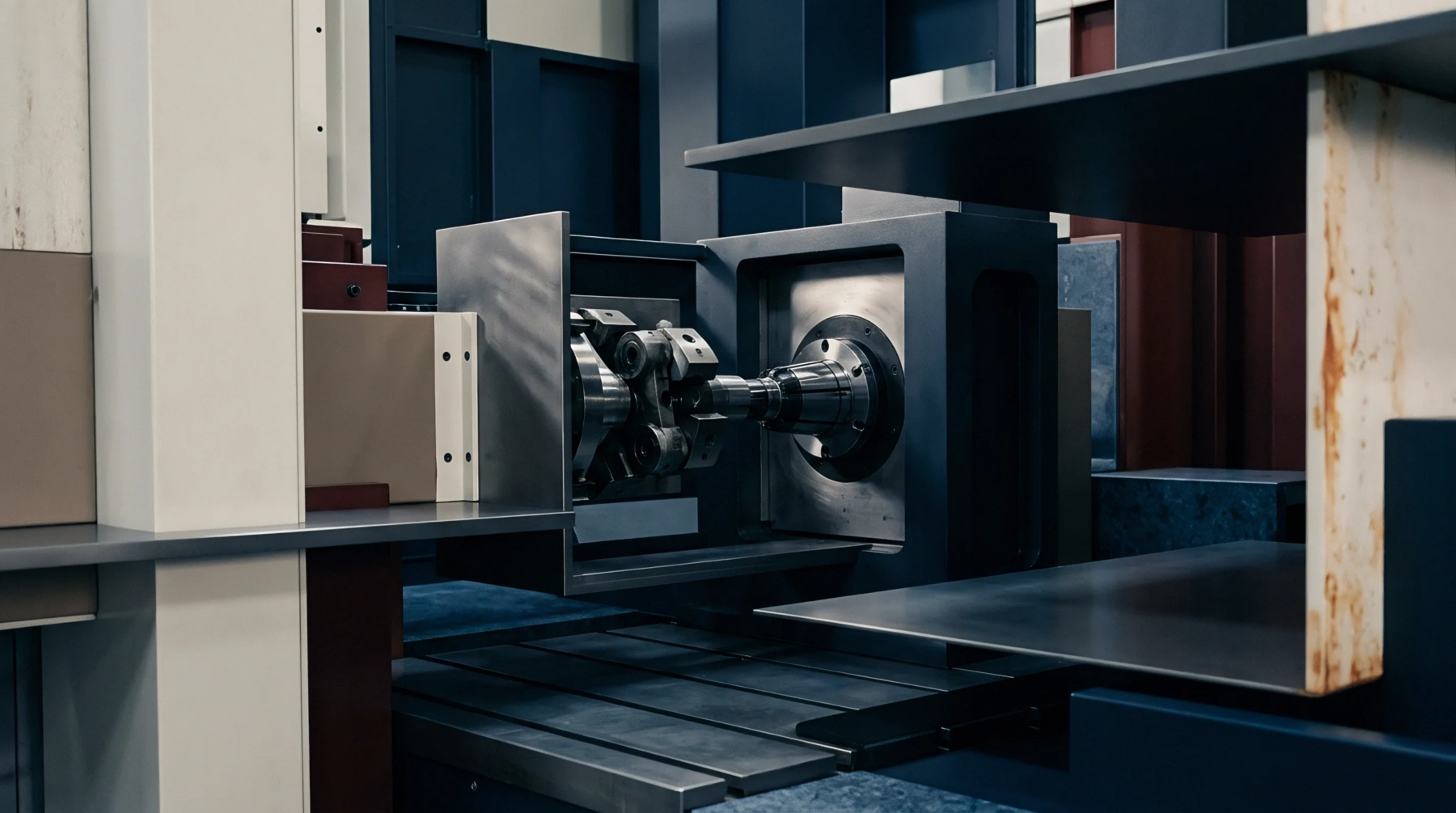
Meaning ~ Asset recovery fees added to per-piece prices cover the design and build of custom equipment until a designated volume threshold cancels the debt.
Quantitative metrics that record the total number of units that successfully meet all inspection criteria at a specific production gate provide the data needed to calculate the real yield of a manufacturing line. These quality pass counts are the primary evidence used to verify that a factory is meeting its production targets and its quality standards at the same time. The metric tracks the journey of a product from raw material to finished good, recording the survival rate at every major assembly step.
It stops counting once a unit is rejected and moved to a rework or scrap bin. This number is used by management to decide if a production run is efficient enough to be profitable or if the process needs to be stopped for repairs.
Measurement of the success rate happens at every station where an inspector or an automated machine checks the work. These quality pass counts are compared against the total number of units that entered the station to find the yield percentage. If one thousand units enter a station and only nine hundred pass, the yield is ninety percent.
This data is the most honest indicator of how well the factory is actually running. A high number of passes at the final station does not matter if half the units were destroyed or rebuilt along the way. Engineers look for the station with the lowest pass rate to find the bottleneck in the process.
Improving the quality at that one point will have the biggest impact on the total output of the factory.
Locations for these counts are carefully chosen to catch defects as early as possible. This quality pass counts system ensures that the factory does not waste time and money adding expensive components to a part that is already broken. For example, a circuit board should be tested before it is installed in a plastic housing.
If the board fails, the housing can still be used for a different unit. The gates also serve as a hand-off point between different departments in the factory. Each department is responsible for its own pass rate, which creates accountability for the workers on the floor.
When the numbers start to drop, the supervisor can immediately see which team is struggling and provide extra training or better tools.
Financial health of a manufacturing project is tied directly to the ratio of good parts to total parts. These quality pass counts determine the final unit cost because the cost of all the failed units must be absorbed by the units that are actually sold. If the pass rate is lower than what was planned in the original quote, the supplier will lose money on every order.
Buyers also watch these numbers during a factory audit to see if the supplier is capable of handling a large volume. A supplier with low and inconsistent counts is a high-risk partner who might fail to deliver on time. The cost of a failed unit includes the material, the labor, the power and the lost opportunity to build a good unit.
Maximizing the pass rate is the only way to keep the factory competitive in a global market.
Meaning ~ Asset recovery fees added to per-piece prices cover the design and build of custom equipment until a designated volume threshold cancels the debt.
Expertise is a utility, not a secret. sentiention™ publishes its working knowledge as open reference: intelligence layer covering the materials it sources, the markets it enters, and the reference that serves both.