Tooling Amortization Costs
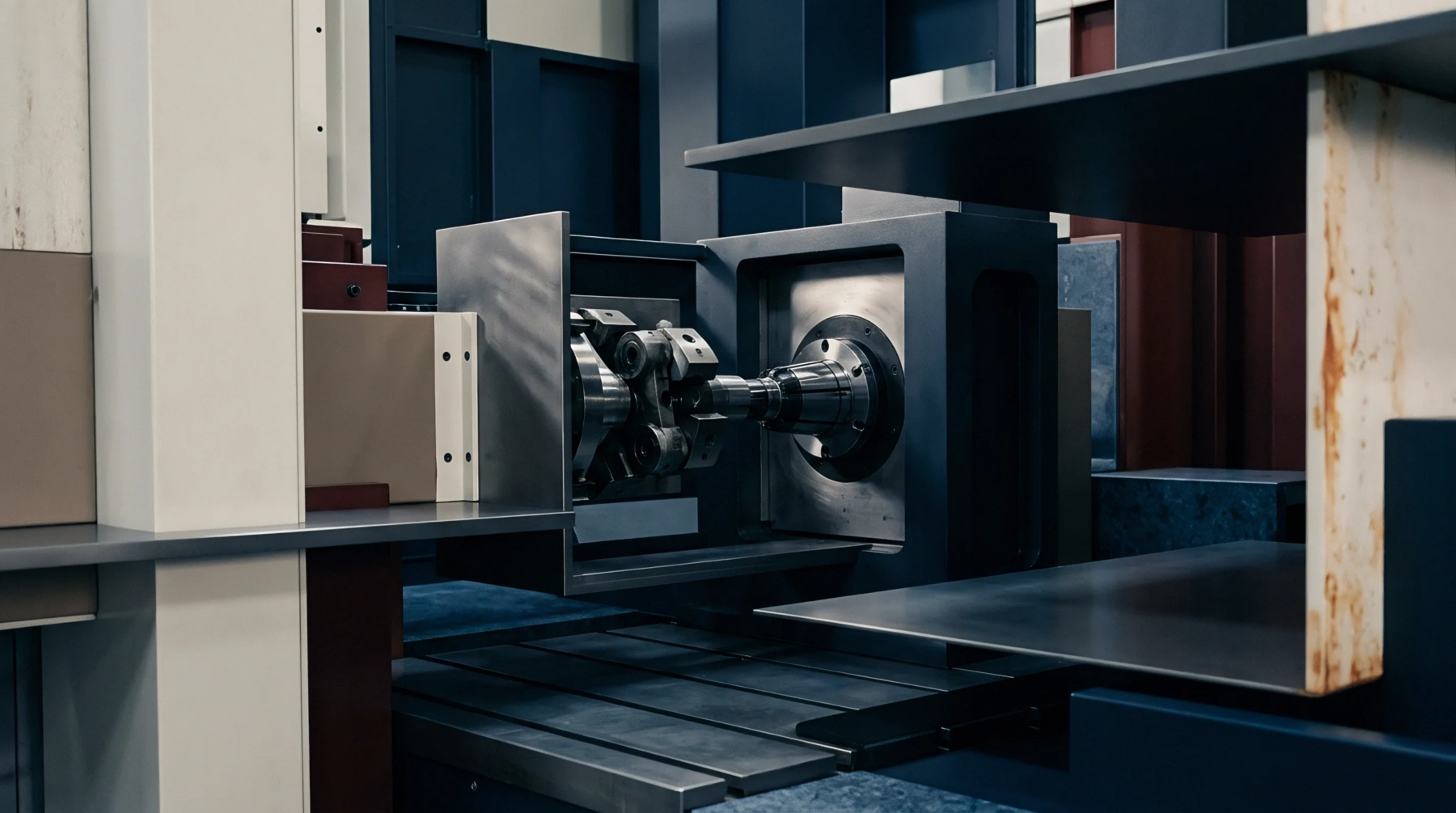
Meaning ~ Asset recovery fees added to per-piece prices cover the design and build of custom equipment until a designated volume threshold cancels the debt.
Routine technical preservation and repair activities ensure that industrial tooling remains within original design tolerances for the duration of a contract manufacturing agreement. Mold maintenance is a mandatory process that involves cleaning, lubrication and the replacement of worn parts like ejector pins or cooling lines. If a supplier neglects these tasks, the quality of the parts will degrade, leading to high scrap rates or product failures.
The contract must specify who pays for these activities and how often they occur. Small repairs are usually the responsibility of the factory, while major refurbishments may be billed to the owner of the tool. This upkeep ensures that the expensive asset survives for its full expected lifespan.
The frequency and the depth of the mold maintenance are determined by the number of cycles the tool has completed. Most manufacturers follow a tiered system where basic cleaning happens every day and a full teardown occurs after a specific number of shots. During a full service, the tool is removed from the press, disassembled and inspected for any signs of fatigue or damage.
Any buildup of gas or plastic residue is removed from the vents to prevent defects in the next batch of parts. This level of care is necessary for producing high-precision components like those used in the medical or automotive industries. The factory must keep a detailed logbook for every tool, recording the date of the service and the names of the technicians who performed the work.
Deciding who pays for the mold maintenance is a central part of the negotiation between the buyer and the vendor. In many agreements, the cost of routine care is included in the unit price of the parts. This creates an incentive for the factory to keep the tool in good condition to avoid expensive breakdowns that stop production.
However, if the tool requires a major overhaul because it has reached its expected life limit, the buyer may be asked to pay for a new set of inserts or a total refurbishment. This distinction between normal wear and tear and major asset improvement must be clearly defined in the contract. If the rules are not clear, disputes can arise over who is to blame for a tool failure.
This clarity is necessary for a long-term manufacturing partnership.
Effective mold maintenance is the best defense against the slow drift in part dimensions that leads to assembly problems. When a tool is not cleaned properly, the plastic can stick to the surface, causing marks or warping in the finished product. Worn pins can leave large marks or flashes of extra plastic on the edges of the part, which then requires manual trimming and higher labor costs.
By enforcing a strict maintenance schedule, the buyer ensures that every part is as good as the first one produced. This consistency is a major requirement for any quality control program. The supplier must prove they are following the maintenance plan through regular audits and part inspections.
Without this oversight, the tool can quickly become a liability rather than an asset.
Meaning ~ Asset recovery fees added to per-piece prices cover the design and build of custom equipment until a designated volume threshold cancels the debt.
Expertise is a utility, not a secret. sentiention™ publishes its working knowledge as open reference: intelligence layer covering the materials it sources, the markets it enters, and the reference that serves both.