Tooling Amortization Costs
Meaning ~ Asset recovery fees added to per-piece prices cover the design and build of custom equipment until a designated volume threshold cancels the debt.

Ledger
Recovering non-recurring engineering expenses usually means spreading capital costs for custom equipment over a set number of unit purchases. Amortization surcharges added to the factory gate price cover tooling assets like injection molds, stamping dies, precision jigs, and specialized cast patterns. This arrangement keeps the buyer from paying a large cash sum upfront while offering the supplier a firm manufacturing commitment for the life of the tool.
Ownership of the steel stays with the buyer, even as the factory holds physical possession. Paying in increments shifts liquidity risk to the supplier until volume targets are met, after which the per-unit surcharge stops and the part price steps down.
Asset Classification and Recognition
Custom production equipment serves a single function for one specific design. Unlike general equipment like CNC centers or standard presses, these tools carry almost no resale value if a program is canceled. Depending on contract duration, accounting books the build cost as a prepaid expense or an intangible asset.
Daily ledger tracking counts only good units that clear final quality control ~ scrap from setup or troubleshooting does not reduce the balance. Clear capital allocation is critical here. A supplier in Shenzhen may list a mold as factory property for local tax reporting, while a buyer in Hamburg treats it as an asset on loan abroad.
Mismatches like that regularly trigger audit disputes or VAT delays, making early structural clarity essential before production begins.

Allocation Windows and Thresholds
Sourcing teams set amortization schedules by volume or time, though volume targets dominate most supply agreements. A representative agreement might run fifty thousand dollars across the first hundred thousand units, adding a fifty-cent premium per part. Strong sales accelerate capital recovery for the supplier; sluggish demand leaves the plant with an idle tool and an uncollected balance.
Time-based schedules carry higher risk for buyers by requiring payment regardless of actual volume. For short-lifecycle products, factories lean toward fixed timelines to protect margins against seasonal drops.

Operational Boundaries
Tracking ends the moment cumulative surcharges equal the agreed principal. Quotations need an explicit line-item separation between base manufacturing cost and the tooling surcharge so the premium is not permanently absorbed into the unit price. Without that distinction, buyers risk paying for tooling long after full recovery.
The physical lifespan of the steel also defines these limits ~ a die built for one hundred thousand cycles requires a different schedule than one rated for a million. When a tool reaches mechanical failure, the ledger resets for its replacement. Setting unambiguous boundaries upfront guards program margins over multi-year runs.
Price increments for equipment recovery apply to finished goods that pass specified inspection protocols rather than to gross output including factory scrap.
Supply contracts tie tooling recovery strictly to acceptable output, meaning only shipped, invoiced parts count toward the balance. Defective units contribute zero, leaving the factory to absorb scrap material and rework expenses. Lump-sum buyouts occur when programs scale rapidly and buyers decide to clear remaining balances upfront, dropping part costs immediately and simplifying ownership transfer.
Resolving the principal balance secures outright ownership of the tool, though partial recovery terms still need clear rules on carrying costs and financing interest.

Arithmetic
Tooling financial models combine mechanical life, forecasted order velocity, and financing charges into a single calculation. It starts with the tool shop’s itemized invoice ~ covering design updates, standard mold bases, custom inserts, and trial sampling. Amortization rates divide this total by a conservative first-year volume target to ensure cost recovery before any engineering revisions happen.
Ongoing maintenance sits separately under plant overhead, while amortization focuses strictly on initial fabrication and qualification.
Standard Volume Equations
Establishing the per-part surcharge comes down to direct division. Under a fixed-volume model, a sixty thousand dollar plastic injection mold amortized over an initial thirty thousand unit order generates a two dollar surcharge per unit. High volumes dilute this cost rapidly, whereas low runs can make unit economics unworkable.
Sourcing teams track the volume inflection point where these tooling surcharges expire.
| Initial Tooling Cost | Production Units | Per Unit Amortization | Base Part Cost | Final Quotation Price |
|---|---|---|---|---|
| 45000.00 | 10000 | 4.50 | 12.00 | 16.50 |
| 45000.00 | 50000 | 0.90 | 12.00 | 12.90 |
| 45000.00 | 100000 | 0.45 | 12.00 | 12.45 |
| 45000.00 | 250000 | 0.18 | 12.00 | 12.18 |
Surcharge structures alter supplier bid comparisons. A vendor offering a low piece price coupled with inflated tooling charges often loses to a competitor with a better asset recovery schedule. Sourcing reviews require transparent calculations to evaluate true unit costs.
Interest and Opportunity Carry
Suppliers absorb financial carry while awaiting repayment, typically adding a five to eight percent margin to cover financing. This carrying cost shows up in the spread between the toolmaker’s original invoice and the total sum on the amortization schedule. Itemizing these figures prevents suppliers from taking double margins on both unit pricing and tooling surcharges.
On multi-year programs, inflation and foreign exchange movements further complicate accounting. When a tool is invoiced in yen but amortized in euros, currency swings can create unexpected windfalls for the factory that remain on the ledger until target volumes clear.

Failure Scenario Arithmetic
Resolving unpaid balances when projects stall is a common point of contention. If production halts at ten thousand units under a fifty thousand unit contract, the unrecovered principal triggers an immediate settlement demand.
- Tooling amortization costs already collected are subtracted from the initial build invoice to set the remaining principal.
- Unpaid balances trigger a final invoice that must be settled before the tool can be moved offsite.
- Storage charges can accumulate if the buyer delays or declines taking physical delivery.
- Disputes frequently develop when final calculations include phantom production runs or unapproved sample builds.
Financial models need explicit exit clauses for early contract termination. Running sensitivity analyses allows buyers to model exit liabilities upfront ~ a necessary step given the financial exposure of custom tooling.
The total amortized amount remains finite regardless of production surges.
Bi-annual audits comparing physical counter readings on the mold against invoiced shipments help spot discrepancies. Math errors happen on both sides, making strict adherence to contracted formulas essential. Unscheduled requests from a supplier to increase surcharges mid-program often point to broader cash flow strain.
Maintaining original schedules prevents margin erosion, particularly when suppliers quote low initial tool builds hoping to recover profit margins through extended amortization terms.


Paperwork
Contractual terms define liability limits and specify the precise point title transfers during a program run. Amortization schedules belong in formal riders tied to the master services agreement or global supply contract, establishing target quantities and unit surcharges. Without explicit written caps, suppliers can continue collecting surcharges past full recovery.
Contracts should also identify the physical custodian, establishing that even if a mold resides in Dongguan, legal title sits in London. Including unique tool serial numbers on every shipping invoice ensures tracking across shipments.
Necessary Clauses for Protection
Contracts need clear language pinpointing what triggers final repayment ~ usually the invoice corresponding to the milestone unit.
- Tooling amortization costs linked to unit volume must explicitly exclude factory scrap and rejected parts.
- Documentation should include a master tooling register that logs physical asset condition and estimated remaining service life.
- Unique identification numbers on every mold base map per-unit surcharges to the correct project ledger.
- Audit rights give the buyer authority to cross-check physical shot counters against dispatch records.
Including an unpenalized early buyout provision gives buyers room to adjust sourcing strategies or transfer production without facing contract penalties.

Certificates of Tooling Completion
Surcharges should not attach to unit prices until formal sign-off confirms the tool matches engineering drawings and produced samples satisfy quality standards. Amortization starts only after a completion certificate is formally executed. Sourcing teams should also require complete native design files, withholding initial payments until full DWG or STEP CAD models are delivered.
Amortization reimburses verified, completed assets; without native CAD records, documentation remains incomplete.

Financial Instrument Integration
Letters of credit complicate variable per-unit surcharges because trade finance instruments assume stable piece pricing. Invoices need to separate base part costs from amortization line items to avoid delays at customs, where unexpected price variations on identical items prompt valuation inquiries.
| Document Field | Required Detail | Legal Purpose |
|---|---|---|
| Itemized Unit Cost | Breakdown of surcharge | Customs valuation accuracy |
| Balance Notification | Remaining target units | Ledger reconciliation |
| Asset Ownership ID | Stamped mold number | Title verification at origin |
| Expiration Event | Volume cap number | Cease payment verification |
Predictable valuations ensure smooth customs clearance. When unit prices step down after full amortization, line-item annotations explain the price adjustment to customs authorities.
A signed tooling agreement functions as a debt schedule where the product is the currency.
Contracts should include strict exclusivity terms preventing the factory from running third-party components on customer-owned tooling. Breaching these restrictions voids all amortization surcharges immediately, a compliance point verified through factory audits. Rigorous documentation guarantees that when repayment reaches zero, surcharge billing stops immediately.

Clamp
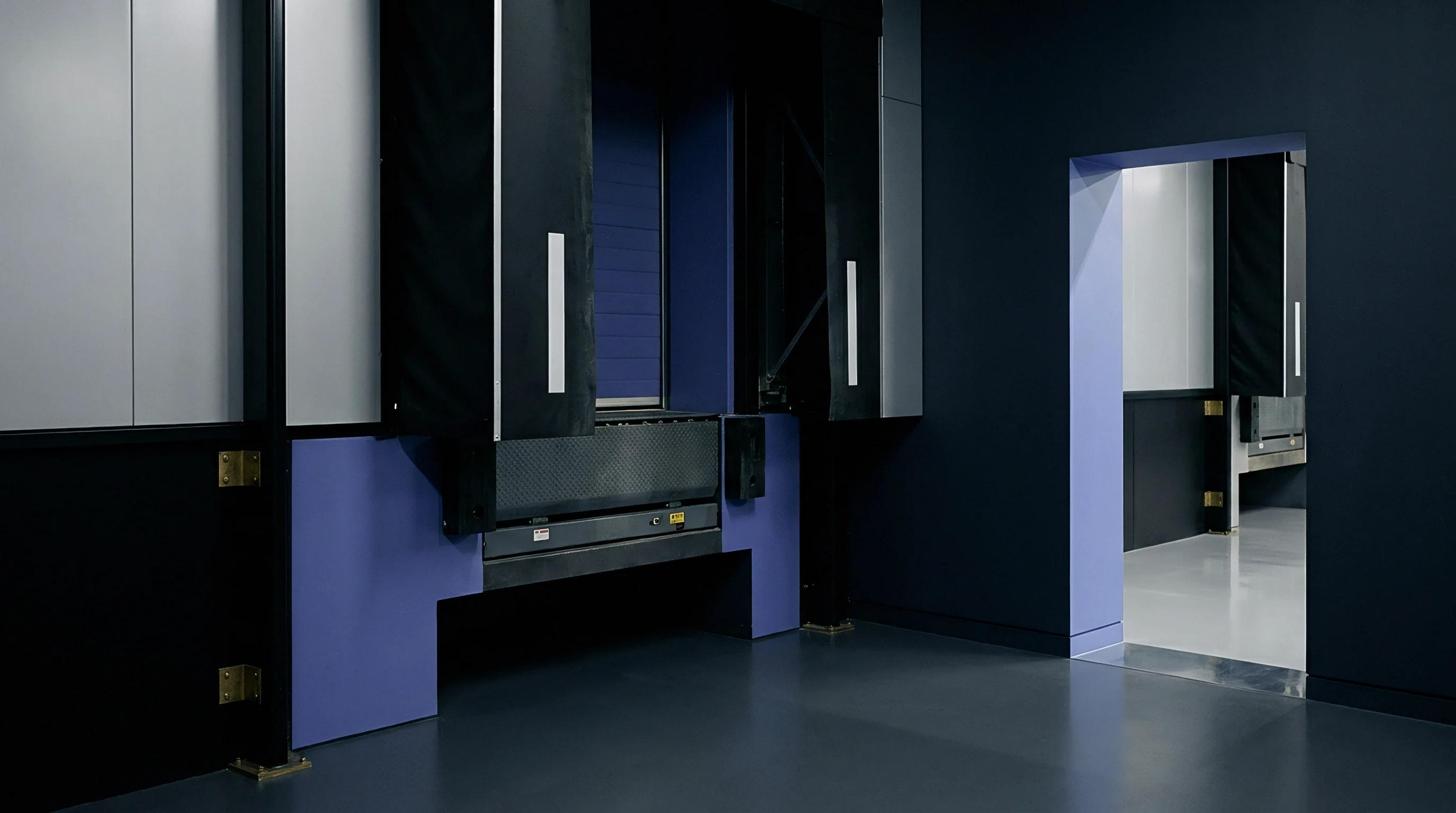
Mounted in a press, a tool is a machined steel block subject to thousands of tons of clamping pressure.
Amortization schedules reflect the gradual consumption of that mechanical lifecycle. Each cycle impacts tolerance and surface finish over time. Because payments cover a fully functional asset, physical condition requires ongoing monitoring.
Internal cooling channels and ejector pins offer clear evidence of maintenance quality. A supplier collecting surcharges while skipping preventative care effectively shifts operational risk onto the buyer, making regular logbook audits necessary.
Mechanical Life and Degradation
Mechanical durability dictates how aggressively surcharges are set. Hardened tool steel can reach a million cycles, while soft aluminum can degrade after ten thousand. Steel selection must align with volume projections ~ amortizing a high-cost million-cycle tool across a five-thousand-unit production run adds unnecessary overhead to the unit price.
Identifying physical degradation early avoids unscheduled press downtime.
- Thermal cracking across cavity surfaces points to thermal fatigue or advanced wear.
- Parting line flash indicates tool halves no longer seat or seal tightly.
- Broken ejector pins indicate inadequate lubrication and preventative care.
- Scale accumulation inside cooling channels leads to uneven cooling and part warping.
Premature tool failure before full debt recovery frequently triggers legal and financial disputes. Proper maintenance remains a precondition for continuing surcharge payments.

Inventory and Onsite Verification
Physical asset tags confirm ownership on the plant floor. Molds should carry a permanently affixed plate identifying the legal owner and project ID. Missing or damaged tags discovered during plant inspections justify pausing amortization payments.
Unmarked tooling faces exposure to unauthorized use or asset seizure. Contracts must also restrict movement, requiring written consent before a tool leaves the designated facility to prevent unauthorized subcontracting.
The Golden Sample Anchor
Quality baselines rest on original off-tool samples. Retaining a golden sample establishes performance specs from when the mold was first qualified. Around the seventy percent amortization threshold, current production output should be benchmarked against this original reference.
If dimensions drift out of spec, refurbishing expenses fall on the supplier under their obligation to maintain tool performance. Suppliers sometimes attempt to fold refurbishment costs into active surcharges, additions that buyers should refuse.
Physical tool health serves as the ultimate warranty for the financial surcharge schedule.
Inspecting the mechanical shot counter on the tool frame clarifies actual usage. Reconciling cycle counts against ledger balances exposes unrecorded production runs or unauthorized shifts. Physical counter data provides an unalterable record of tool usage.

Transit
Relocating a mold from the toolmaker to the production facility initiates the cost recovery phase.
Though amortization covers initial development expenses, surcharges should begin only after the equipment is installed and qualified on the factory floor. Transporting multi-ton steel tooling internationally requires heavy logistics, anti-corrosion prep, and accurate customs declarations. Tooling usually moves as temporary, non-commercial equipment on loan, eligible for reduced tariffs under correct customs classifications.

Logistics and Entry Procedures
Customs filings require an accurate baseline value on import declarations, establishing the principal amount for amortization tracking.
- Tooling amortization costs trigger customs scrutiny if authorities suspect unit values are artificially suppressed via embedded surcharges.
- International tooling shipments frequently rely on ATA Carnets for temporary duty-free import without security deposits.
- Transit insurance should cover complete tool replacement value, including engineering, rather than simple raw material weight.
- Fumigated wooden crates compliant with international shipping standards protect tooling against corrosion and humidity during sea transport.
Transit damage carries severe schedule risk ~ dropping a precision mold on a quay can stall a product launch for six months. Installing shock and tilt monitors inside export crates helps verify safe handling during transit.
Export Licenses and Transfer Limits
Some jurisdictions classify specialized toolmaking as restricted technology, requiring export permits before used molds can leave the country. Sourcing teams must evaluate these legal controls when establishing amortization terms. If local regulations prevent asset retrieval, amortizing in-region introduces strategic vulnerability.
Contracts require explicit “right of removal” language securing the buyer’s right to extract physical assets once financial terms are satisfied.

The Dock Transition Point
Surcharges take effect after shipping is complete and qualification trials clear. Port congestion or customs holds delay production startups, pushing back the recovery timeline.
| Phase | Responsible Party | Financial Event |
|---|---|---|
| Sea Transit | Freight Forwarder | Insurance logic active |
| Customs Entry | Customs Broker | Asset valuation declaration |
| Inland Delivery | Local Trucker | Custody transfer to factory |
| Production Setup | Factory Engineer | Verification run commencement |
Close coordination between freight forwarders and customs brokers avoids administrative delays that can leave tooling stuck at import terminals for weeks.
Trade lanes with high tool volatility require specific clauses for the physical recovery of the asset.
In cases of supplier insolvency, documented title records and clear bill-of-lading trails enable buyers to recover assets from bankruptcy proceedings rather than facing creditor seizures. Comprehensive shipping records secure physical title across every link in transit.


Verification
Validating amortized unit counts requires auditing dispatch records against machine logs. Amortization schedules depend entirely on accurate accounting of passed production.
Overreporting shipments causes buyers to pay down capital for unreceived parts, while underreporting extends surcharge billing beyond agreed caps. Reconciling machine counters, bills of lading, and quality sign-offs catches discrepancies across production shifts before discrepancies compound.
Audit Protocols for Volume Accuracy
Semi-annual audits comparing cumulative production against invoiced surcharges catch accounting errors before they become contract disputes.
- Cross-check physical machine shot counters against boxed shipping manifests.
- Reconcile warehouse dispatch logs against billed line items.
- Confirm that duplicate charges are not being applied for replacement tooling on the same program.
- Ensure non-commercial engineering samples are deducted from overall surcharge totals.
When audit discrepancies exceed five percent, withholding surcharges on subsequent shipments prompts fast resolution. Strict ledger oversight remains the buyer’s primary mechanism for enforcing price agreements.

Quality Threshold Verification
Scrap production must never count toward amortization targets. Surcharges compensate for delivered, acceptable parts, not tool wear incurred generating waste. Elevated scrap levels alongside uniform shipping volumes often point to accounting irregularities.
Only inspectable, passed units apply to principal reduction. Where plants rework out-of-spec parts, audit checks must confirm those items are not counted twice on the ledger.

Third-Party Count Verification
On high-volume programs, engaging third-party inspectors to witness scrap destruction prevents phantom units from inflating volume counts. Signed destruction certificates provide independent verification of actual net output. Verification methods depend on the process: SMT placement records cover electronics assembly, while hydraulic clamping logs provide audit trails in injection molding.
| Measurement Type | Expected Tolerance | Action on Deviation |
|---|---|---|
| Shot Counter vs Invoiced | +/- 2 percent | Verify scrap rate details |
| Weight Consistency | Standard Deviation < 0.05 | Suspicion of low density rework |
| Cycle Time Match | Synchronous with logbook | Audit shift efficiency figures |
| Surcharge Stop Event | Zero balance remaining | Immediate base price trigger |
Eliminating tracking gaps prevents gradual margin loss across long production runs. Machine cycle logs anchor contract accounting in physical production reality.
An independent production audit remains the primary safeguard against indefinite per-unit surcharges.
Defining clear scrap allowances for setup and resin color transitions prevents factories from passing operational waste into amortization balances. Contract ledgers should directly reflect physical machine floor output.


Stock
Inventory turn rates determine how quickly tooling debt is retired. Amortization schedules shift from contractual forecasts into active liabilities once finished goods enter warehouse inventory.
Tracking turn velocity allows procurement teams to forecast when surcharges expire. Slow inventory movements leave unrecovered balances lingering on programs, while over-ordering incurs storage holding costs alongside active surcharges. Matching purchase orders with end-market demand clears tooling debt efficiently without bloating working capital.

Safety Buffer and Reorder Impact
Batch sizing directly affects repayment cadence ~ larger purchase orders reduce tooling balances in larger increments.
- Tooling amortization costs set at high per-unit rates strain working capital, limiting liquidity for raw material purchases.
- Procurement teams balance surcharge levels so holding safety stock does not become prohibitively expensive.
- Seasonal volume spikes create opportunities to accelerate amortization recovery.
- Surplus warehouse stock can obscure a fully amortized tool if ERP systems fail to update unit pricing upon target completion.
Managing volume fluctuations demands close alignment between supply chain planners and procurement so finance can prepare for price reductions as payoff milestones approach.

The Replacement Trigger
Tracking cumulative output against tool life ratings indicates when replacement builds will be necessary. Fully amortizing a tool just as it reaches mechanical end-of-life prevents rolling unpaid balances into replacement tooling builds. Accurate inventory tracking identifies the exact shipment containing the final amortized unit, initiating an automated drop to base manufacturing pricing.
- Inspect initial lot of 10k units for consistent quality.
- Monitor cumulative count toward 50k amortization target.
- Notify accounting when count reaches 45k units.
- Drop the surcharge from the ERP system automatically at unit 50,001.
Product demand governs payoff speed ~ high-turn products retire tooling balances in months, whereas slow-moving lines stretch recovery over years.
Slower consumption cycles lengthen the suppliers carry period and frequently trigger demand for interest adjustments.
When consumption forecasts extend beyond three years, clearing remaining tooling balances with a lump-sum buyout is often preferable. It stabilizes piece margins, secures legal title, and eliminates ongoing administrative overhead.