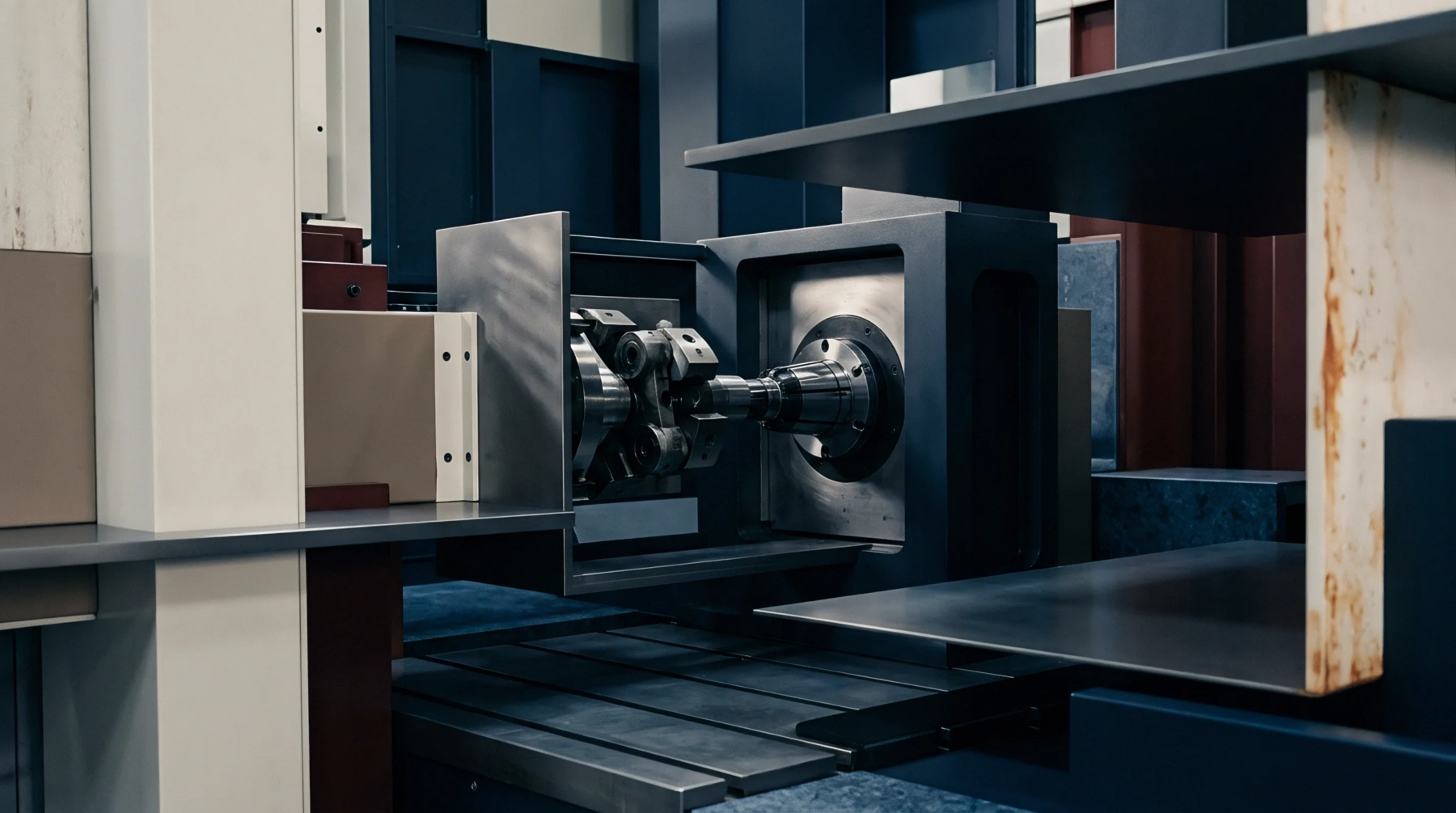
Tooling Amortization Costs
Meaning ~ Asset recovery fees added to per-piece prices cover the design and build of custom equipment until a designated volume threshold cancels the debt.
Financial adjustments reduce the taxable value of raw materials by accounting for the portion of the material that is lost or destroyed during the normal manufacturing process. A scrap rate deduction calculations depend on the verifiable yield of a factory and the market value of the remaining waste material. In many industrial processes, it is impossible to turn one hundred percent of the raw material into a finished product.
If a buyer provides the material to the factory, they can subtract the value of the expected scrap from the total value of the assist. This ensures that the duty is only paid on the material that actually makes it into the final goods. This practice is common in the textile, metal stamping and chemical industries.
Every manufacturing operation has an inherent level of waste that is determined by the technology used and the complexity of the part. In a garment factory, the scrap consists of the fabric pieces that are left over after the patterns are cut out. In a machine shop, the scrap is the metal shavings and the ends of the bars that cannot be used.
This material loss is a real cost for the buyer, but it does not contribute to the value of the imported product. By claiming a scrap rate deduction, the company acknowledges this reality and lowers its tax burden accordingly. The factory must track the weight of the raw material entering the line and the weight of the finished parts leaving it.
The difference between these two numbers is the scrap rate.
To get a scrap rate deduction, the importer must show exactly how much the waste material is worth on the open market. If the factory sells the scrap metal to a recycler, that revenue must be subtracted from the value of the deduction. The goal is to find the net loss to the buyer.
This calculation requires a detailed understanding of the global market for secondary materials. If the price of scrap steel goes up, the value of the deduction goes down. The company must update these numbers regularly to ensure they are being reported accurately.
This transparency is necessary for satisfying the requirements of the revenue authorities. It prevents the company from claiming a loss for material that was actually sold for a profit.
Customs officers often challenge the validity of a scrap rate deduction because it is difficult to verify after the goods have been shipped. The importer must keep a record of the yield reports from the factory, the invoices from the scrap recycler and the waste management logs. If these records are missing or inconsistent, the government may reject the deduction and demand the full amount of the duty.
This defense is especially important if the scrap rate is much higher than the industry average. The company must be able to explain why so much material is being lost and show that it is not being stolen or used for other products. This level of oversight is a major part of the compliance program for any manufacturing business.
The final deduction must be a true reflection of the industrial reality of the factory.
Meaning ~ Asset recovery fees added to per-piece prices cover the design and build of custom equipment until a designated volume threshold cancels the debt.
Expertise is a utility, not a secret. sentiention™ publishes its working knowledge as open reference: intelligence layer covering the materials it sources, the markets it enters, and the reference that serves both.