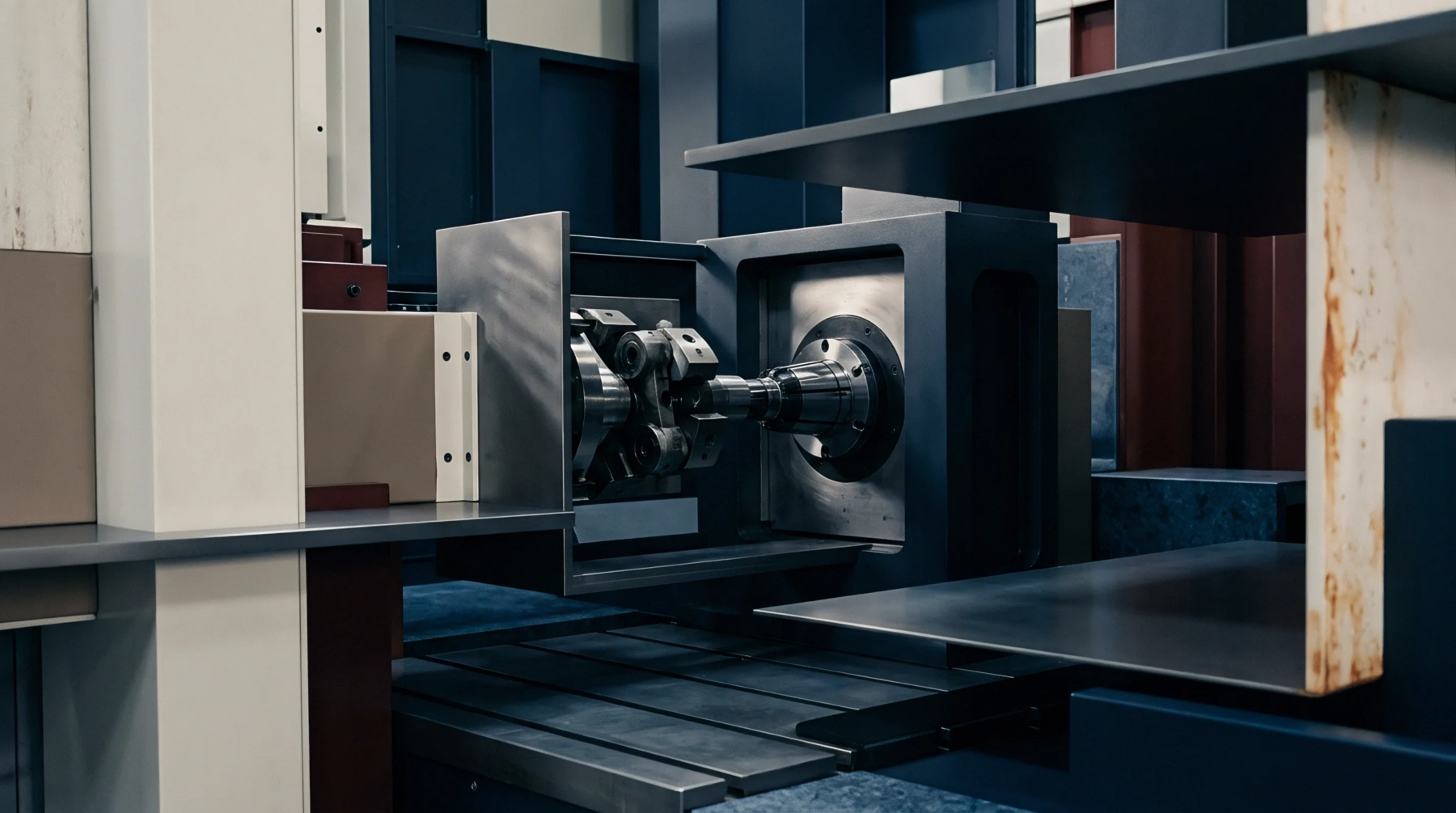
Tooling Amortization Costs
Meaning ~ Asset recovery fees added to per-piece prices cover the design and build of custom equipment until a designated volume threshold cancels the debt.
Supply chain arrangements delegate the responsibility for the maintenance, repair and operational readiness of production assets to the supplier who uses them on a daily basis. In a vendor managed tooling program, the buyer remains the legal owner of the assets while the manufacturer takes over the tactical care of the equipment. This approach reduces the administrative burden on the buyer and ensures that the person closest to the machine is responsible for its health.
The supplier must keep detailed logs of every maintenance action and every part produced to prove they are following the agreed standards. If a tool fails due to negligence, the vendor is usually liable for the replacement cost. This setup requires a high degree of trust and clear contractual boundaries.
The primary benefit of vendor managed tooling is the speed at which maintenance issues can be resolved. Instead of waiting for the buyer to approve every repair, the factory has the authority to take immediate action to keep the line running. This autonomy is balanced by a strict set of performance metrics that the supplier must meet.
They are expected to maintain a specific level of tool uptime and a low rate of part defects. The buyer performs periodic audits to ensure that the vendor is actually doing the work they claim to be doing. This oversight prevents the factory from cutting corners to save on labor or material costs.
It ensures that the tools are always in peak condition for the next production run.
The distribution of costs in a vendor managed tooling arrangement is a central part of the commercial agreement. Usually, the vendor pays for the consumables like oil, cleaning fluids and small replacement parts. The buyer pays for major components or the total replacement of the tool when it reaches the end of its life.
This split reflects the fact that the vendor benefits from a well-run machine through higher efficiency, while the buyer benefits from the long-term value of the asset. The agreement must define what counts as a minor repair and what counts as a major overhaul. If these definitions are not clear, disputes can arise over who should pay for a broken mold.
This clarity is necessary for maintaining a positive relationship between the two companies.
To ensure the success of a vendor managed tooling program, the buyer must set clear standards for how the tools are to be treated. This includes specifying the types of lubricants to be used, the temperature of the storage area and the qualifications of the technicians. The vendor must provide a digital or physical log for each tool that shows its full history of use and care.
This data is used by the buyer to assess the performance of the vendor and to plan for future production needs. If a vendor consistently fails to meet the standards, the buyer has the right to move the tools to a different facility. This potential consequence is a strong incentive for the factory to take good care of the buyer’s property.
The final result is a more reliable and efficient manufacturing process.
Meaning ~ Asset recovery fees added to per-piece prices cover the design and build of custom equipment until a designated volume threshold cancels the debt.
Expertise is a utility, not a secret. sentiention™ publishes its working knowledge as open reference: intelligence layer covering the materials it sources, the markets it enters, and the reference that serves both.