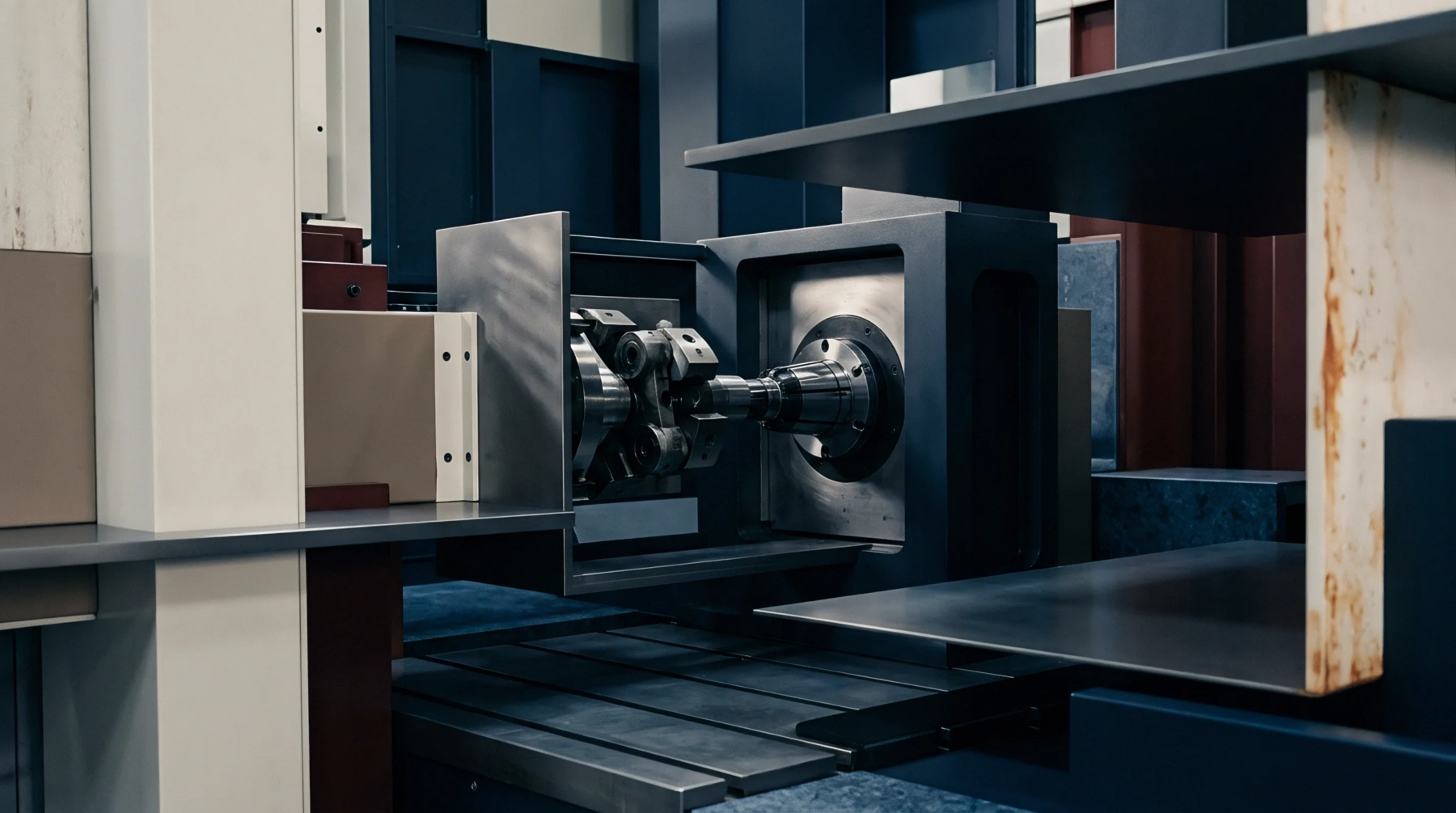
Tooling Amortization Costs
Meaning ~ Asset recovery fees added to per-piece prices cover the design and build of custom equipment until a designated volume threshold cancels the debt.
Formal legal contracts specify the ownership, maintenance, storage and usage rights for specialized manufacturing equipment held at a supplier facility during a production term. A tooling agreement terms prevent the vendor from using a buyer-owned asset to manufacture goods for other clients or competitors. This document defines exactly who is responsible for the cost of repairs and what happens to the tools if the business relationship ends.
It is a separate but related contract to the master purchase agreement for the parts themselves. Because the tools are often very expensive and have long lead times, this agreement is a necessary protection for the buyer’s intellectual property and production capacity. It ensures that the buyer can reclaim their assets at any time without a legal fight.
The core of the tooling agreement is the description of the physical assets and their location. Every mold, die and fixture must be listed with a serial number and a set of technical specifications. The agreement should state that the tools must be kept in a secure area and used only on the specific machines that have been approved by the buyer.
This level of control is necessary for maintaining the quality of the parts and the safety of the equipment. The vendor is usually required to provide regular reports on the condition of the tools and their current usage. This oversight allows the buyer to track their investment from thousands of miles away.
It prevents the vendor from neglecting the assets or moving them to an unauthorized facility.
Clear rules for the payment of maintenance and insurance must be included in the tooling agreement to avoid disputes. Usually, the supplier pays for routine upkeep while the buyer pays for major refurbishments or upgrades. The agreement must also specify what happens if the tool is damaged by fire, theft or natural disaster.
The vendor is typically required to carry insurance that names the buyer as the loss payee. This ensures that the buyer can recover the cost of the tool if it is destroyed while in the vendor’s care. If these rules are not clear, a simple machine failure can lead to a long and expensive legal battle.
The goal is to create a fair and predictable way to handle the costs of owning and using specialized hardware.
The most important part of the tooling agreement is the clause that defines how the tools are returned to the buyer. When the production contract ends, the buyer needs to be able to move the tools to a new supplier quickly to avoid a gap in the supply chain. The agreement should state that the vendor must cooperate with the transfer and provide all the necessary technical drawings and maintenance logs.
It should also specify who pays for the shipping of the tools back to the buyer or to a new factory. If the vendor tries to keep the tools as leverage in a final payment dispute, the agreement gives the buyer the legal right to use local law enforcement to recover them. This final protection is necessary for maintaining the continuity of the business.
Meaning ~ Asset recovery fees added to per-piece prices cover the design and build of custom equipment until a designated volume threshold cancels the debt.
Expertise is a utility, not a secret. sentiention™ publishes its working knowledge as open reference: intelligence layer covering the materials it sources, the markets it enters, and the reference that serves both.