Quality Ledger
Meaning ~ A database repository that tracks physical product tolerances, factory-floor inspections, and failure cost allocations across global supply chains.

Ledger
A quality register operates as a chronological audit trail in a manufacturing resource planning or enterprise system, logging inspection results, product deviations, and corrective actions alongside their direct cost allocations.
Deploying a digital quality ledger creates a tamper-evident record that prevents shop-floor data alteration and forms a verifiable foundation for commercial chargebacks. The ledger tracks compliance against standard drawings and purchase specifications in cross-border transactions, isolating manufacturing discrepancies by linking each logged anomaly directly to the specific job card, production line, and tooling head that caused the defect.
The ledger’s scope ends once goods clear the origin port and the shipping line issues a clean bill of lading.

Bench
On the factory floor, test fixtures and automated calipers generate raw measurement data to determine if a batch matches the certified engineering drawing.
Parametric Measurement and Tool Calibration
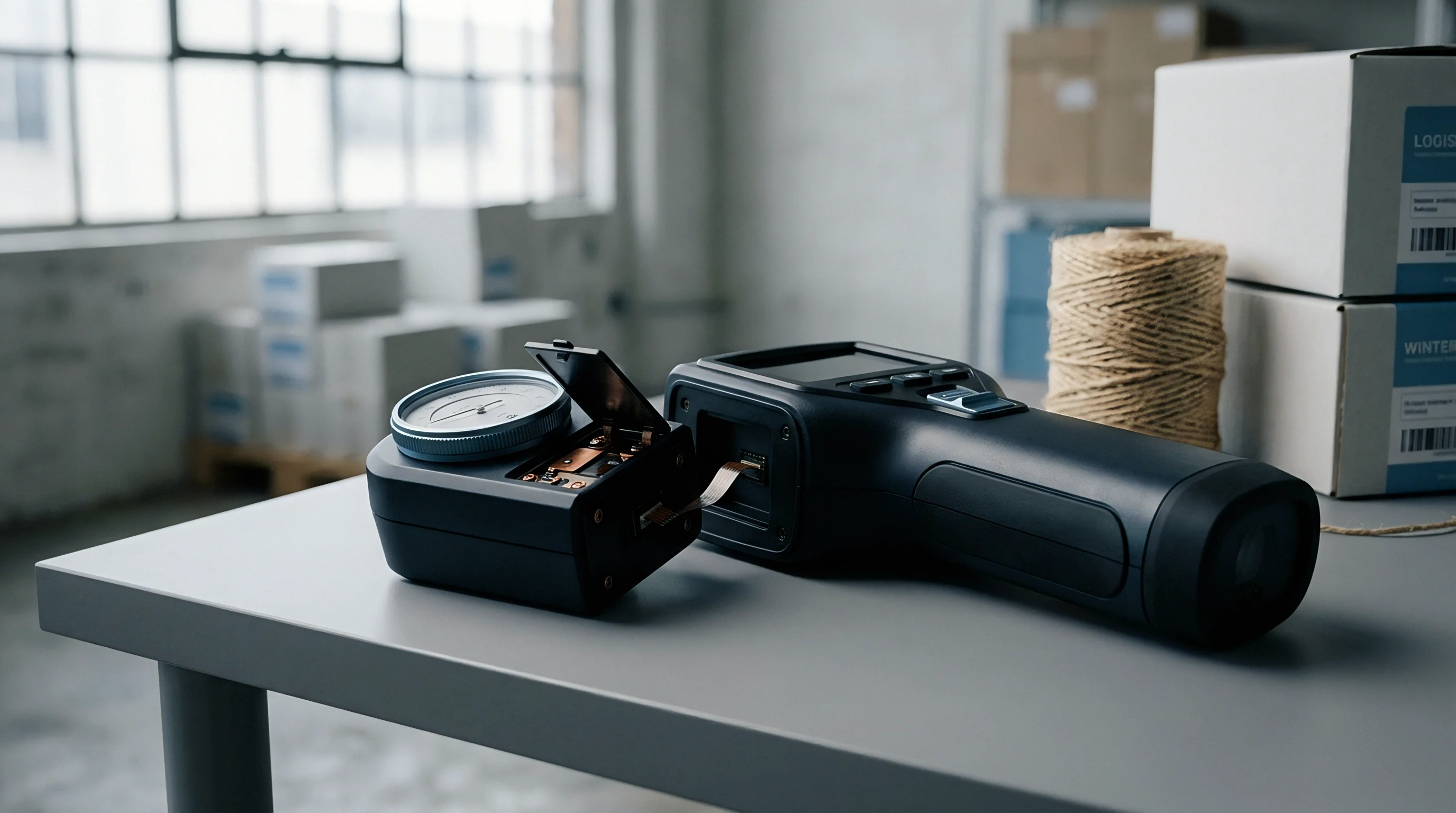
Inspectors use electronic micrometers and tensile testers to check physical properties like wall thickness, surface roughness, and breaking strength.
A cable lot with a diameter variance of more than two percent triggers a manual review under drawing MET-02.
As tools undergo thermal expansion or mechanical wear, the ledger logs the resulting dimensional shifts in real time. Connecting these instruments directly to the ledger eliminates manual data-entry errors and provides objective evidence of material performance during quality reviews.
A digital caliper without an automated ledger interface leaves room for operators to round down marginal exceedances and avoid logging a failure.

Gate
Incoming material audits establish the initial baseline for batch acceptance, preventing non-conforming shipments from reaching assembly lines.
Quarantine Control and Item Procurement Blocks
Unapproved raw materials automatically trigger system blocks that freeze the purchase order workflow. Receiving departments use these holds to isolate suspect materials before they enter production, holding raw material suppliers directly accountable for any logged nonconformities.
- quality ledger entries for incoming cast parts block inventory receipt if uncorrected surface roughness exceeds specification.
- quality ledger anomalies flagged during final packaging halt container stuffing whenever serial scans fail verification.
- quality ledger updates from on-site laboratory trials require co-signatures before the supplier can claim raw material compliance.
Passing unvetted materials through receiving risks severe field failures and costly warranty claims later on.


Arithmetic
Calculating the total cost of poor quality requires tracking expenses across prevention, appraisal, and material failures.
Cost Allocations and COPQ Accounting
Sourcing teams use the quality ledger to separate productive overhead from losses caused by poor workmanship or low-grade materials. Scrap hours accumulate quickly when machines run defective batches, and labor spent reworking off-spec dimensions adds substantial expense to the landed unit price. These costs belong in failure columns on the factory balance sheet rather than buried in generic operating budgets.
A factory that hides scrap hours in general plant overhead cannot establish an accurate marginal cost for high-tolerance products.
The financial impact of failure scales sharply once cargo crosses the border. Reconciling scrap tickets and rework hours against ledger data gives procurement the leverage needed to negotiate debit notes or price adjustments with suppliers.
| Category | Specific Activities | Assumed Costs (USD) | Share of Batch Value |
|---|---|---|---|
| Prevention | Calibration of drawing dies, staff setup reviews | 2,400 | 1.2% |
| Appraisal | In-line eddy current trials, sample tension testing | 3,600 | 1.8% |
| Internal Failure | Scrap generation during startup, sheath rework hours | 14,800 | 7.4% |
| External Failure | Field claim handling, premium air freight for replacements | 21,200 | 10.6% |
| Total Ledger Spend | Combined good-quality and failure-quality costs | 42,000 | 21.0% |
Suppliers frequently claim startup scrap is an unavoidable manufacturing cost already factored into the general unit price.

Paperwork
Sourcing agreements and purchase orders establish the formal quality templates suppliers must follow during production.
Contractual Integration and Sourcing Templates
Standardizing requirements across both parties prevents misinterpreting acceptable tolerances. Under these agreements, inspectors upload all measurement files directly to a shared ledger platform, tying payment authorization directly to a complete digital audit trail.
- The field inspector checks nominal dimensions against drawing MET-02 and uploads caliper readings to the secure database.
- The quality manager evaluates drift severity and assigns either an approved or quarantined status.
- The financial controller logs rework hours against the non-conformance budget.
- The logistics team issues the digital compliance passport, clearing containers for loading at the factory dock.
Clause 14.3 of the master purchase contract allows the buyer to withhold ten percent of the invoice value until the digital testing trail is complete.

Transit
Pre-shipment inspection dockets accompany cargo across international borders, confirming that loaded units match buyer specifications.

Custody Transfer and Log Integrity
The forwarder holds the shipment whenever pre-shipment validation records are incomplete. Loading checks require logging carton counts, pallet weights, and moisture levels directly into transport documentation, protecting both parties against downstream disputes over transit damage.
- quality ledger documents generated at origin secure credit release once the laboratory certifies chemical purity.
- quality ledger protocols for high-value machinery require logging impact sensor data before crates are loaded onto the vessel.
- quality ledger moisture records for timber shipments establish who bears the risk of warping during sea transport.
Determining liability becomes difficult when temperature spikes during ocean transit compound an existing material defect.

Dispute
Landed lot rejections often stem from statistical variances between origin laboratory findings and destination receipt checks.
How Does the Inspection Log Resolve Disputes?
When an importing warehouse reports out-of-spec parts, suppliers typically challenge the testing methodology. Discrepancies between factory calibration and destination lab equipment lead to protracted disputes, which can only be resolved through a structured comparison of the lot’s original production logs.
Section 8.2 of the supply agreement obligates the seller to refund all air-freight costs when a quality ledger nonconformity delays dispatch by more than forty-eight hours.
Without an unalterable log, both sides tend to trade subjective claims of fault. Executing and recording a clear sampling plan prior to shipment sets a binding quality baseline before cargo ownership transfers over the ship’s rail.
| Defect Severity Class | Assumed AQL Limit | Sample Size | Acceptance Number | Rejection Number |
|---|---|---|---|---|
| Critical (structural cracks) | 0.40% | 200 | 2 | 3 |
| Major (gasket misalignment) | 1.50% | 200 | 7 | 8 |
| Minor (finish scratches) | 4.00% | 200 | 14 | 15 |
Sellers challenging pre-shipment results backed by sound sampling plans risk severe assembly line shutdowns at the receiving plant.

Audit
Maintaining product durability requires tracking every deviation from the baseline golden sample over time.

Continuous Process Improvement and Quality Assurance Logs
A production run’s history provides a critical diagnostic resource for engineering revisions. When field failures occur months after delivery, engineers use the digital quality ledger to pinpoint the specific batch parameters responsible. This retrospective analysis prevents recurring defect patterns.
Maintaining full traceability from raw materials to final dispatch remains essential for building a reliable, self-correcting supply chain, ensuring every shipment aligns with certified drawings before cargo leaves the yard.