Port of Loading
Meaning ~ The designated maritime harbor where cargo is physically lifted onto an ocean vessel, marking the transfer of freight costs and logistics custody.
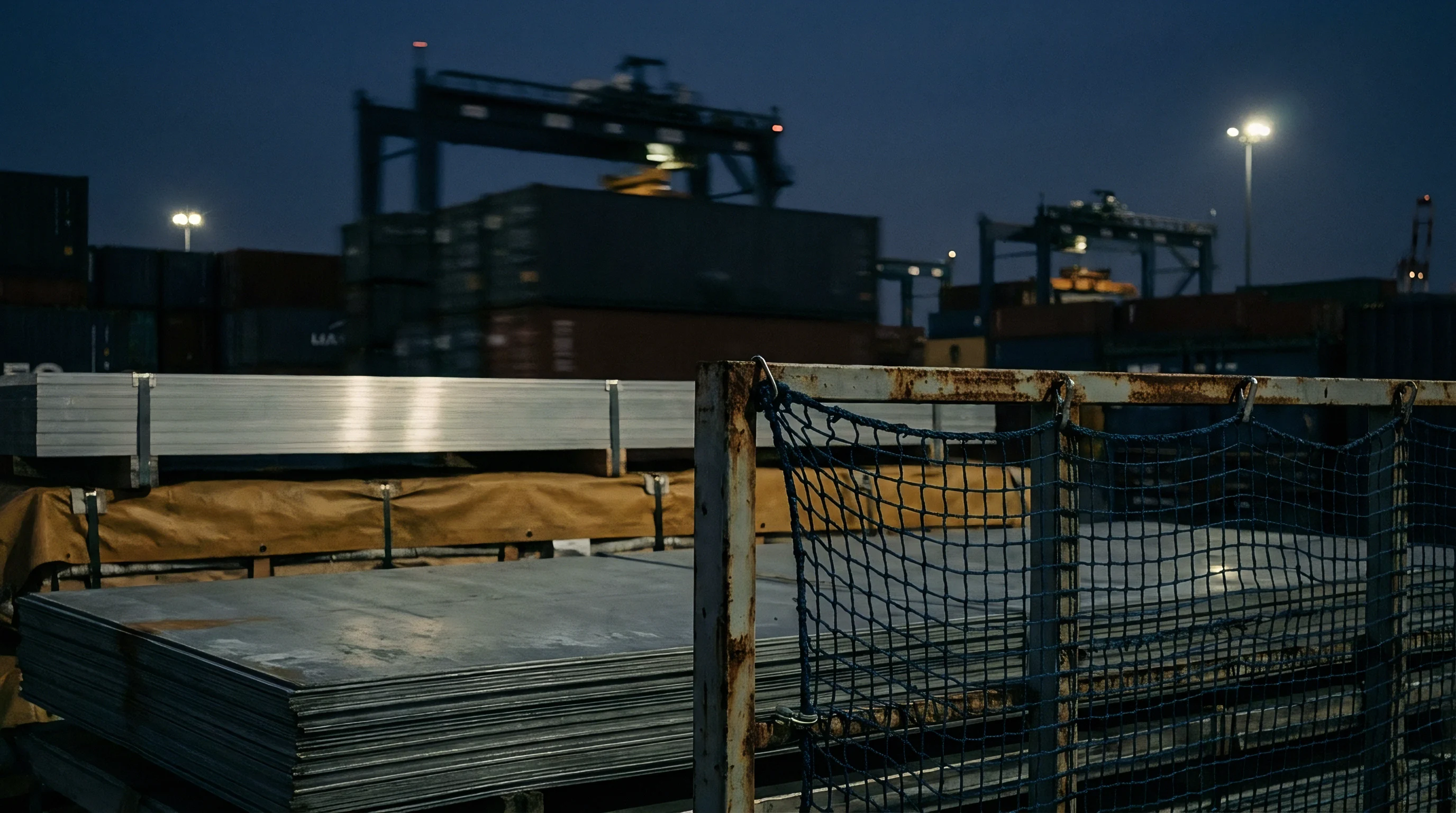

Dock
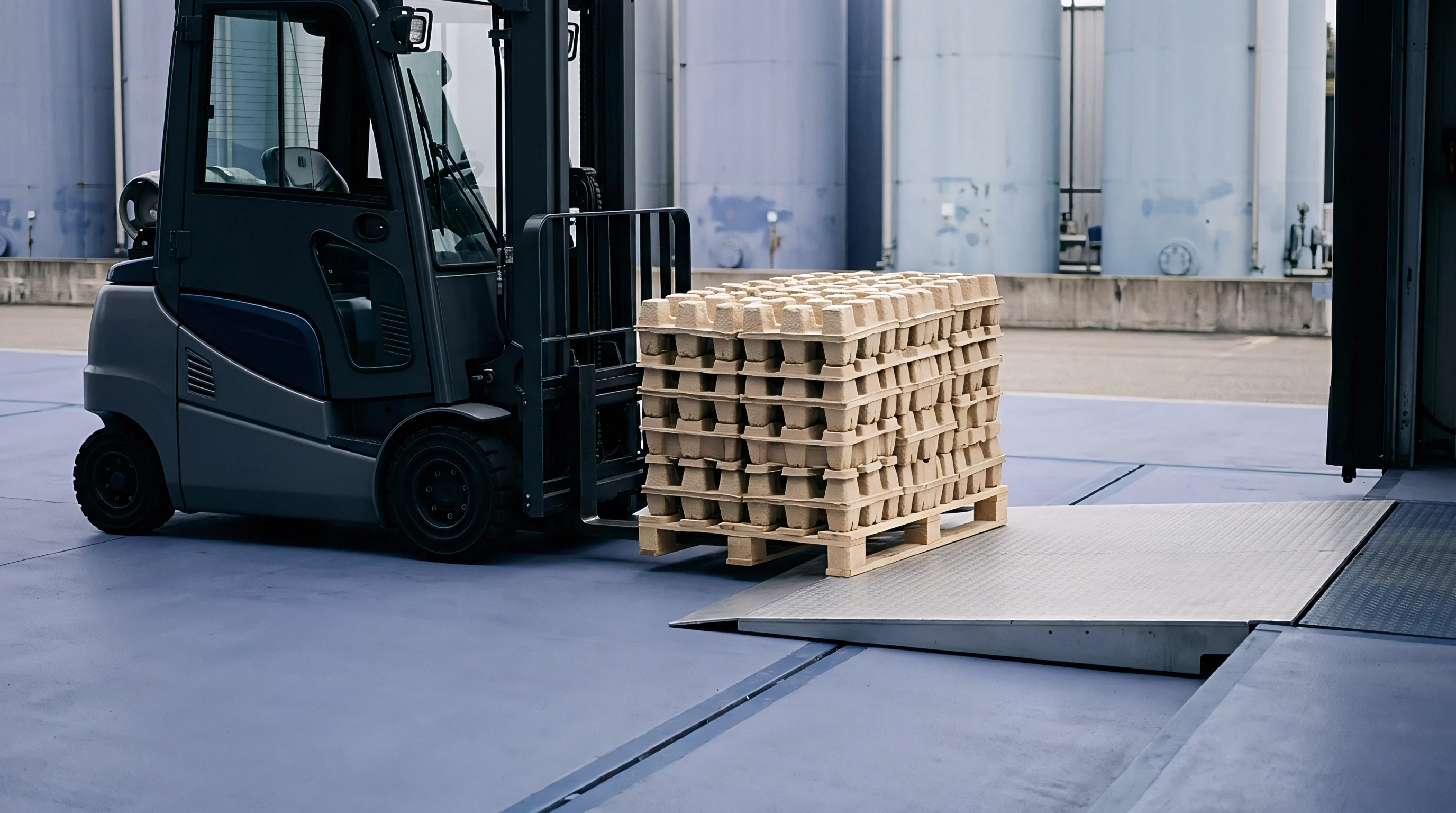
In maritime transport contracts, the port of loading is the designated geographical harbor where cargo is physically loaded onto an ocean vessel, marking where pre-shipment obligations end and ocean transit liabilities begin. This operational transition is codified in the contract of carriage and the ocean bill of lading, both of which treat this point as the start of the marine voyage. Within maritime law, the hook-to-hook principle historically established that the carrier holds custody and assumes liability for loss from the moment the ship’s tackle lifts the freight until it is discharged.
Modern containerization has expanded this custody to the terminal gates, but the loading harbor remains the point of departure for all shipping documents.
Delays in clearing export documents at the terminal increase the total transit time by an average of four days.
Ocean carrier schedules depend on the efficient delivery of goods to this specific harbor. Pre-shipment risks, such as local transport delays, terminal strikes, or export customs blocks, remain the responsibility of the exporting party until the vessel receives the goods. Whether maritime jurisdictions will adapt these boundaries to accommodate autonomous barge shuttles that load containers miles off the physical coast remains an open legal dilemma.
Ledger
Financial accountability shifts at the marine terminal because ocean carriage rates are computed based on the specific loading point. Each terminal operates under its own tariff schedule, which covers terminal handling charges, harbor security fees, container yard storage, and wharfage fees. These costs differ significantly between regions and have a direct effect on the landed cost of the imported goods.

How Does Port Efficiency Shift Landed Cost?
Inefficient loading operations directly translate to higher freight and demurrage expenses. Importers who select a secondary or poorly equipped harbor face unpredictable local terminal charges and longer vessel queues. This dynamic is illustrated by contrasting standard fees across major maritime nodes.
| Port | LOCODE | Average Terminal Cost |
|---|---|---|
| Port of Shanghai | CNSHA | 180 |
| Port of Rotterdam | NLRTM | 240 |
| Port of Los Angeles | USLAX | 350 |
The allocation of these fees depends on the shipping agreement between the buyer and the supplier.
- port of loading terminal handling fees represent the first major expense in ocean freight.
- Port of Loading customs clearance charges fall on the exporter in FOB transactions.
- port of loading security fees cover mandatory port authority compliance. They are billed to the shipper before vessel loading.
Negotiating freight on a prepaid basis generally secures more predictable destination port expenditures than letting the supplier book the cargo lane.

Paperwork
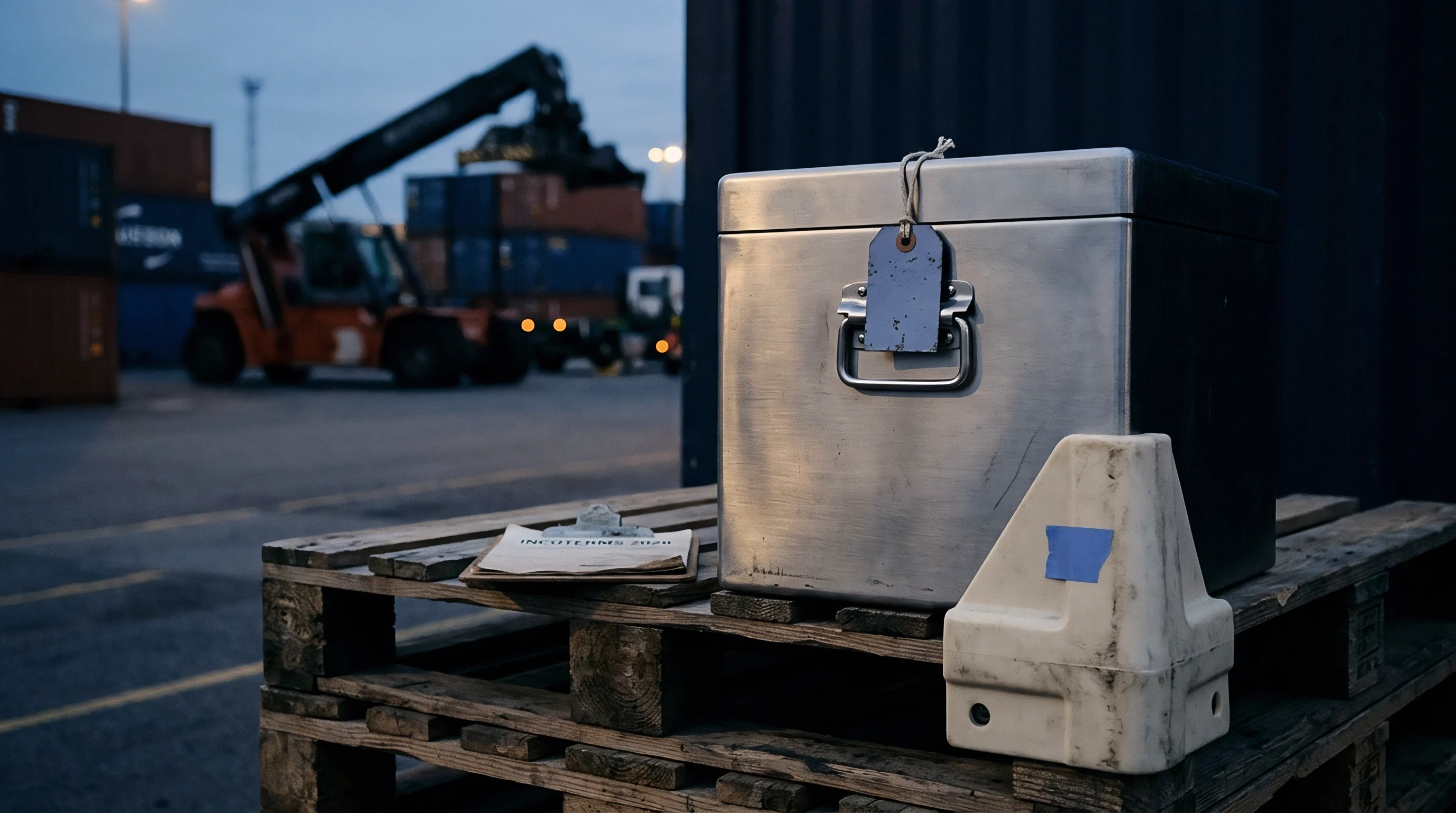
Shipping documentation is the legal spine of cross-border trade, serving as both a title receipt and a cargo receipt. The name of the loading terminal has to match across the commercial invoice, the export customs declaration, and the letter of credit. Mismatches create document discrepancies, leading to bank rejections and payment freezes.
Vessels operating on transpacific corridors require shippers to submit complete shipping instructions forty-eight hours before the scheduled arrival.
Every commercial bank relies on literal documentation consistency. International Chamber of Commerce rules require that the ocean bill of lading show a stamped “on board” date and specify the loading point. Discrepancies here can lead to shipping lines refusing to release the cargo at the destination.
- Port of Loading designations on the bill of lading have to align with the letter of credit to avoid bank rejection.
- port of loading entries in the certificate of origin verify where the cargo left the source country.
- port of loading specifications in the ocean carrier booking confirmation establish the vessel loading cut-off time. This deadline dictates inland logistics schedules.
When the name of the harbor on the shipping documentation differs by even a single letter from the name on the commercial letter of credit, banks automatically freeze the draw down, leaving the exporter without cash and the importer without cargo.

Transit
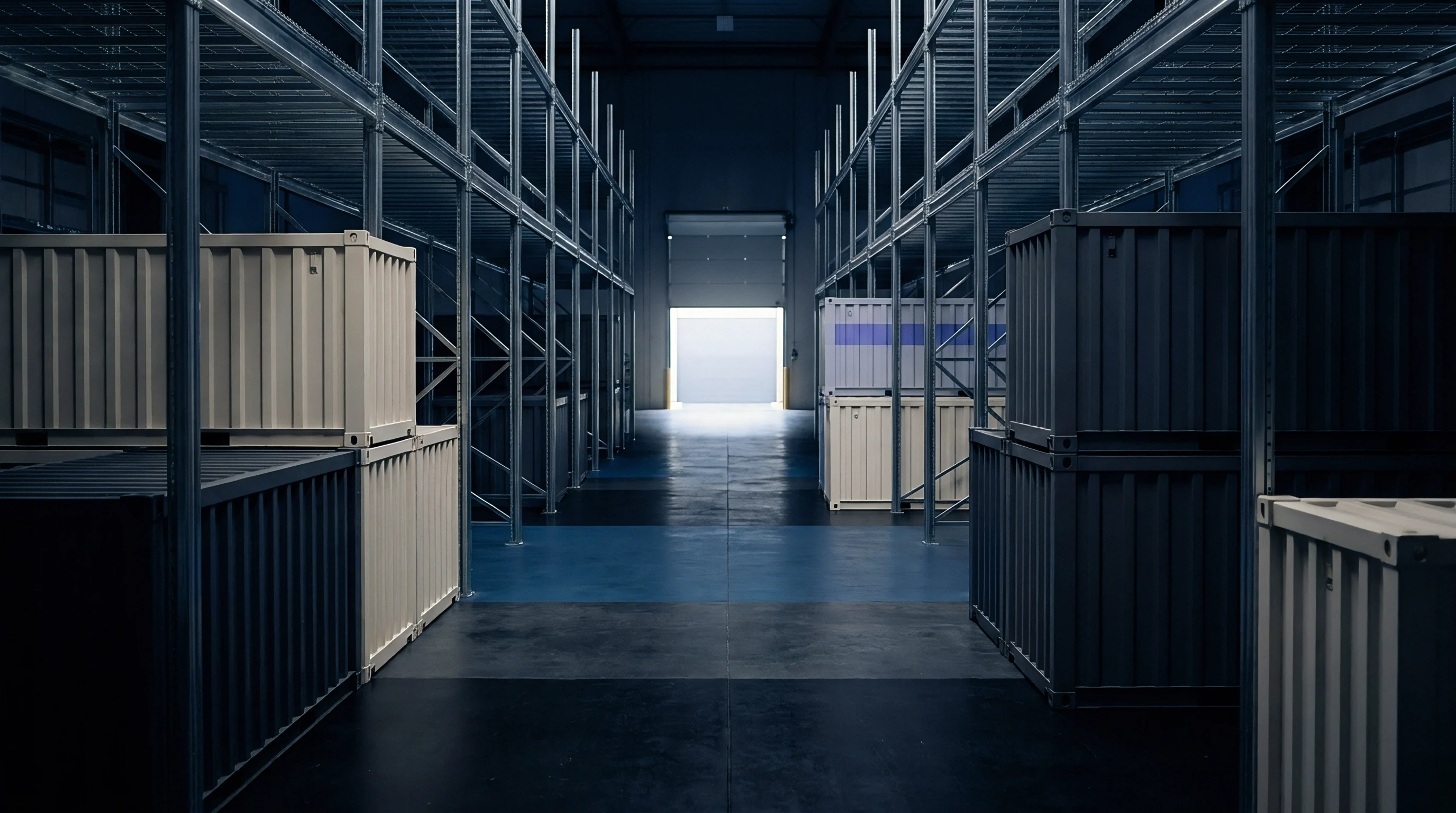
Containerized logistics rely on precise timetables to coordinate the flow of hundreds of heavy boxes into the yard. The container yard serves as the consolidation and queuing zone for outbound ships. If a container arrives late, it is rolled to the next vessel, introducing significant delays.
Discrepancies between the shipping documents and the letter of credit cause immediate payment withholding by the negotiating bank.
Every carrier establishes strict cut-off times for document submission and container delivery. These timelines vary depending on port congestion, labor availability, and vessel schedules.
| Region | Standard Cargo Gate Cut-Off | Document Cut-Off |
|---|---|---|
| East Asia | 48 Hours | 72 Hours |
| Northern Europe | 36 Hours | 48 Hours |
| North America | 24 Hours | 36 Hours |
Missing these windows can lead to heavy penalties and additional storage fees at the yard. Severe harbor congestion frequently prevents hauliers from entering the container yard before the official gate closure.
Verification
Pre-shipment inspections on the factory floor and the loading platform ensure that the physical characteristics of the cargo match the buyer’s drawing. These procedures take place before the goods are locked inside the container and moved to the terminal. Physical security, proper wood pallet fumigation, and container stuffing inspections are critical steps.
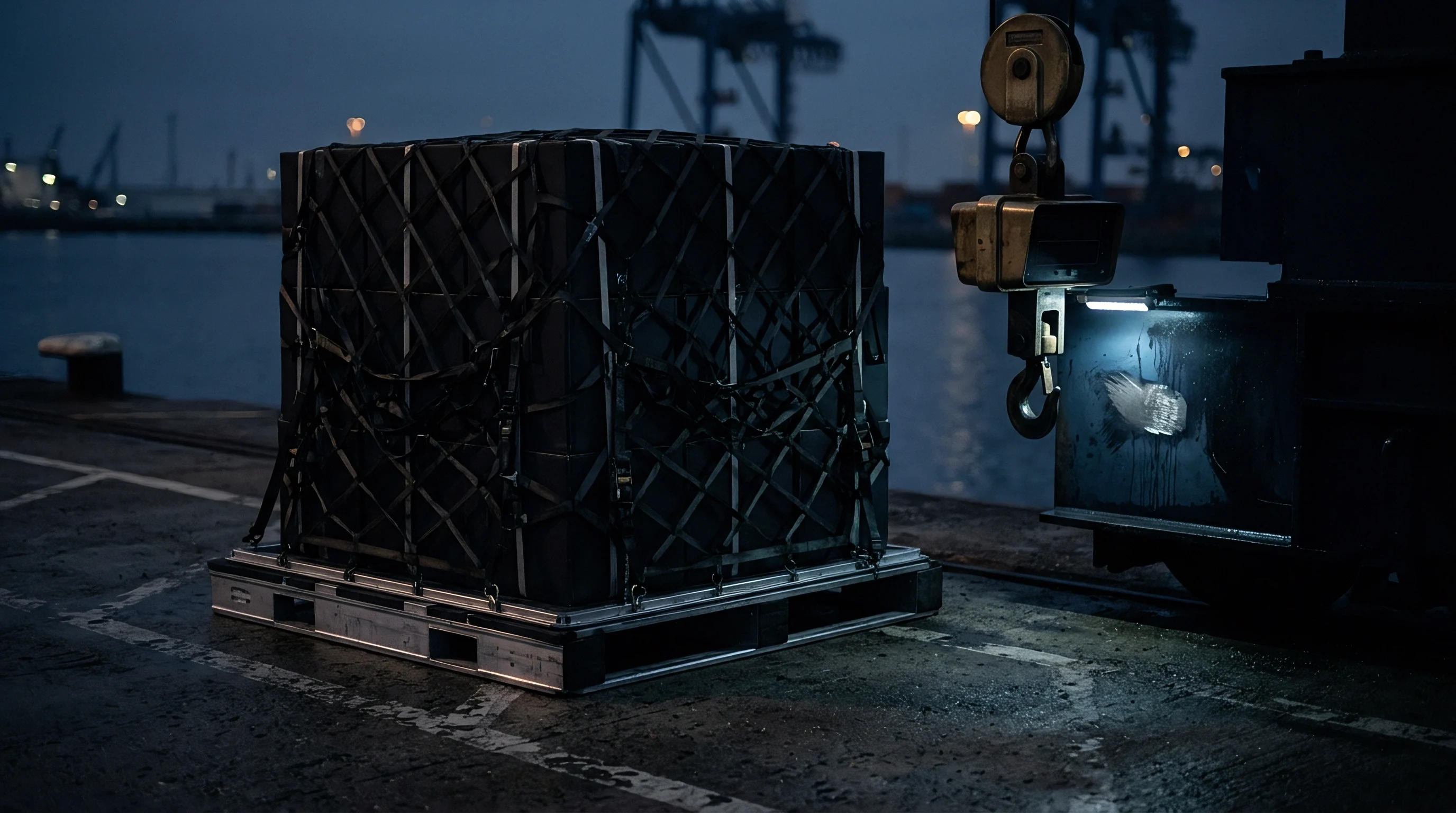
To avoid transit damage and weight disputes, ocean carriers require shippers to submit a certified container weight document. Marine terminal procedures follow a sequential path:
- Shippers submit the certified container tare and cargo weight data to the terminal.
- Marine inspectors measure bulk vessel displacement before loading commences.
- Cargo checkers examine container seals at the terminal entrance.
Under the Safety of Life at Sea Convention Chapter Six Regulation Two, carriers are legally prohibited from loading any container whose verified gross mass has not been submitted prior to the vessel loading deadline.
Dispute
Conflicting claims emerge when vessel operations face delays or when documents contain conflicting information. Demurrage and detention charges are the primary drivers of financial friction at the terminal. Shippers and buyers frequently argue over who should pay for storage when the carrier does not load the container on schedule.
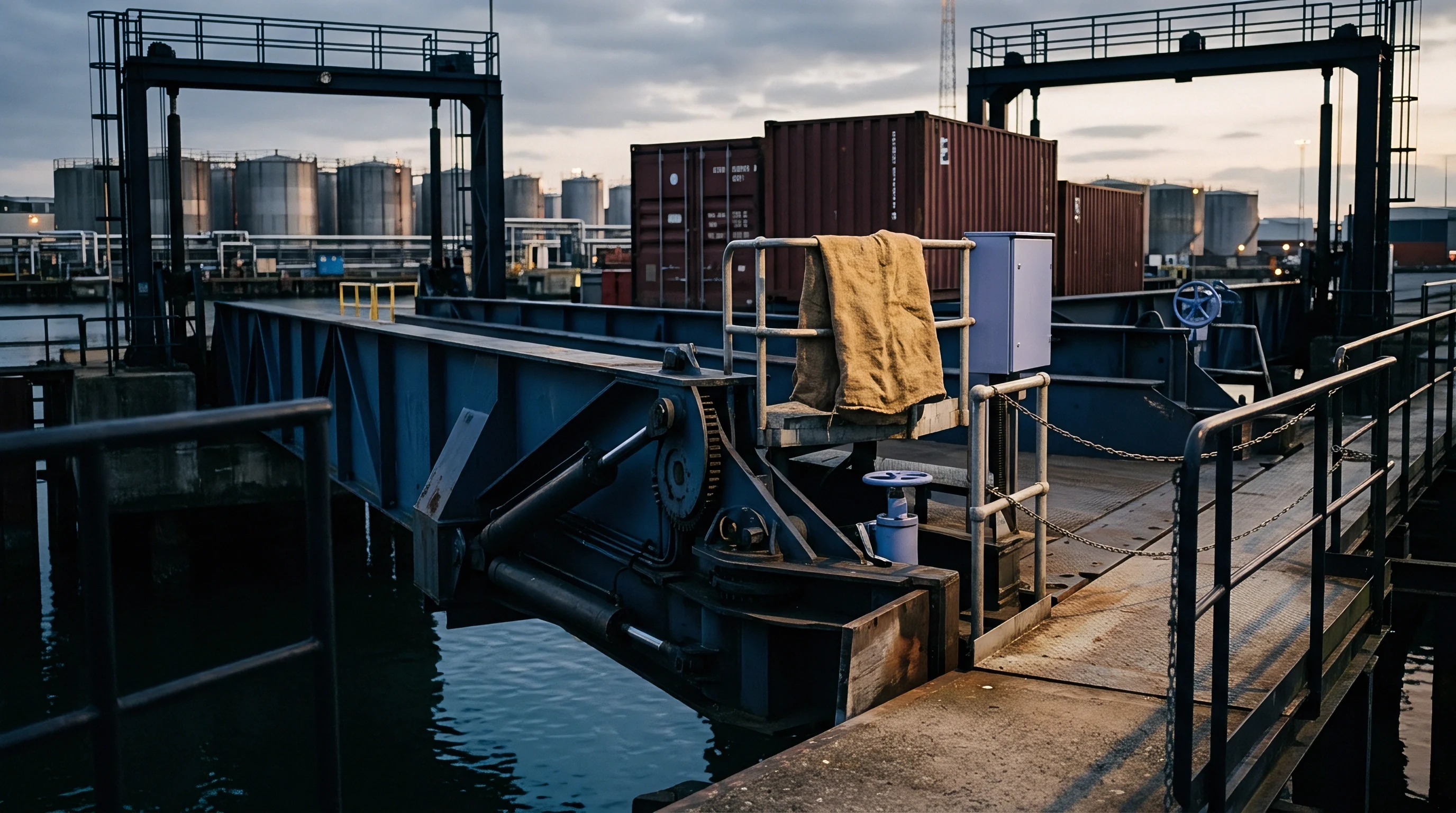
The physical condition of the container yard directly dictates the speed of the loading process.

Who Bears the Terminal Liability?
The distribution of risk depends entirely on the agreed Incoterms and the specific terms of the commercial contract. If the seller fails to deliver the goods to the terminal before the cut-off, they are obligated to bear all associated costs.
- port of loading demurrage charges arise when containers wait in the yard past the allowed free time.
- Port of Loading laytime calculations begin once the ship gives the notice of readiness to load.
- port of loading document errors cause delays that result in heavy terminal storage fees. Shippers pay these before carriers release the container.
These contractual allocations and operational procedures ensure that both buyers and sellers remain insulated from unexpected financial drains when the cargo moves through the busiest shipping lanes.