Fees and Cost Mechanics
Meaning ~ Non-unit-price financial protocols and risk-allocation mechanisms in supply agreements that distribute non-recurring expenses and tooling costs.


Ledger

Contractual Allocation of Nonrecurring Expenses
Supply agreements rely on non-unit cost mechanisms to distribute tooling capital, capacity reservations, engineering changes, and unexpected operational expenses between buyer and vendor. These provisions operate outside baseline bill of materials and standard labor rates, establishing financial liability for market fluctuations, prototype reworks, lot rejections, and transit disruptions. Once conditions stabilize, routine runs revert to the piece-part price.
A supply contract allocates tooling debts to the purchaser if a program ceases before full production volume occurs.

Boundaries of the Standard Unit Price
Piece-part pricing assumes steady operating conditions. When engineering modifications force tool reworks or specialized lot testing, standard cost schedules no longer cover the shop floor reality. Purchase orders incorporate specific fee schedules to govern non-standard charges, shielding buyers from arbitrary surcharges while ensuring manufacturers recover legitimate engineering costs.
Section 4.2 of the standard supply contract adjusts final tooling liabilities against actual piece-part output, forestalling unanticipated non-recurring engineering balances.


Clamp

Tooling Amortization and Setup Fee Schedules
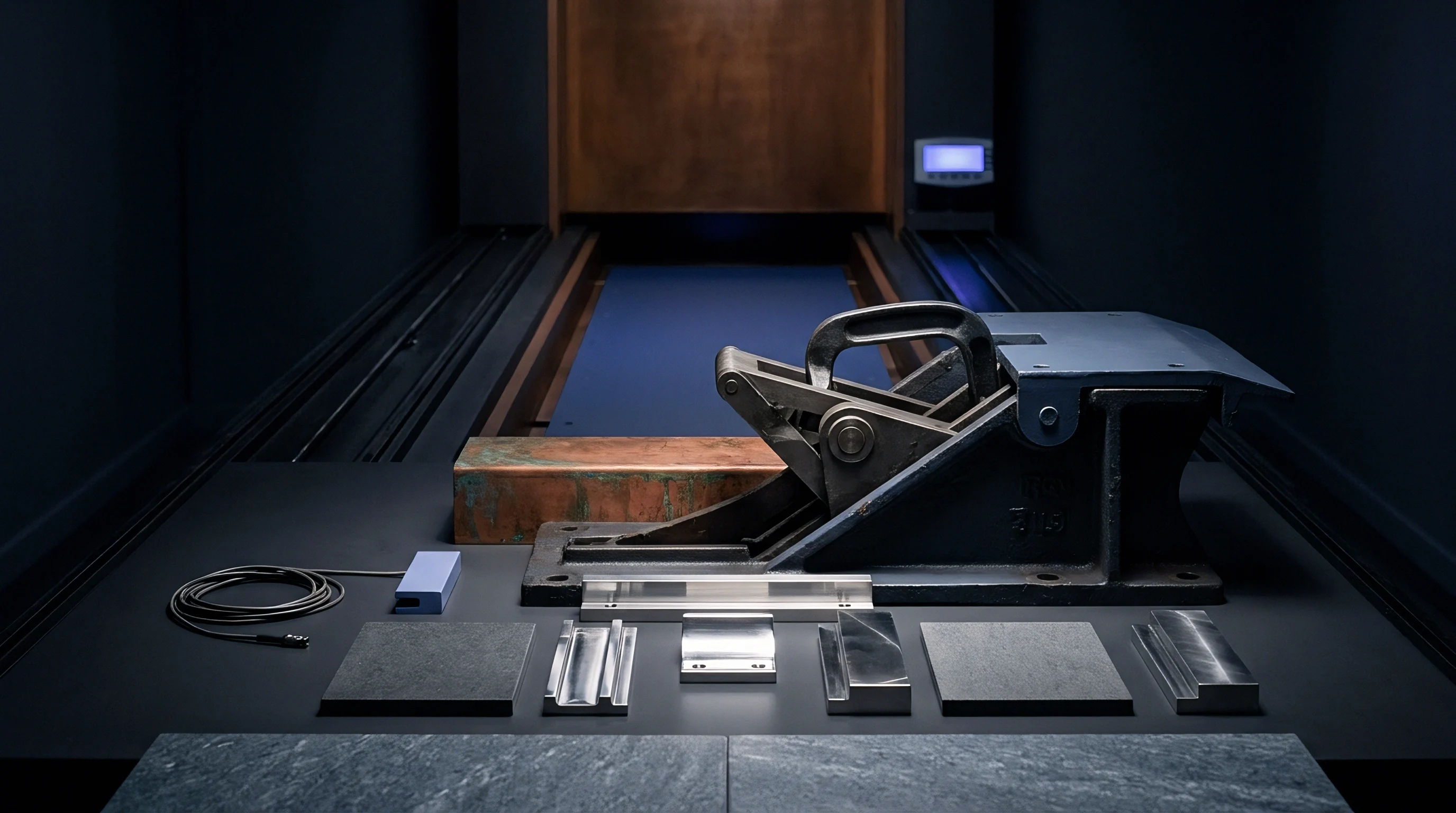
Custom tooling ~ molds, progressive dies, and specialized assembly fixtures ~ demands substantial upfront capital. Amortizing these expenditures across scheduled shipments converts a single non-recurring engineering charge into per-piece adders, preserving working capital during initial production ramp-up.
A supplier recovers thirty thousand dollars of progressive die expenses across sixty thousand units at an amortization rate of fifty cents per part.
Tracking cumulative receipts prevents the buyer from continuing to pay the per-unit adder after the factory has recovered the die cost in full. If overall production falls short of the original projection, the supplier triggers a true-up provision to claim the remaining unamortized tooling balance.
- fees and cost mechanics allocate the liability of incomplete manufacturing runs to the purchaser through structured amortized payments.
- fees and cost mechanics protect the supplier’s initial cash expenditure by converting progressive die setup bills into predictable recurring payments.
- fees and cost mechanics define the legal ownership of molds once the final true-up invoice is settled.
Amortization Balance Sheet
Tooling recovery tracks delivered piece count directly, leaving any unamortized sum as an active balance on the buyer’s ledger until the volume commitment is met. The following table illustrates the remaining liability under various shipment scenarios for a thirty thousand dollar tool.
| Cumulative Volume Shipped | Per-Unit Amortization Adder | Tooling Cost Recovered | Remaining True-Up Liability |
|---|---|---|---|
| 5,000 units | 0.50 USD | 2,500 USD | 27,500 USD |
| 30,000 units | 0.50 USD | 15,000 USD | 15,000 USD |
| 60,000 units | 0.50 USD | 30,000 USD | 0 USD |
| Note: Calculations assume a standard production forecast of sixty thousand units over twelve months. | |||
Paying the tooling fee upfront allows the buyer to retain undisputed ownership of the production molds.


Stock

Capacity Reservation and Machine Slots
Dedicated machine hours and assembly lines carry hard opportunity costs for a contract plant. Capacity reservation terms require the manufacturer to commit specific assembly windows, equipment, and labor exclusively to a program. To secure that manufacturing window, the buyer deposits a non-refundable reservation fee, which is subsequently credited against completed purchase orders.
An open-book supply agreement provides little protection if the buyer lacks the right to review sub-tier material invoices.

How Do Idle Lines Impose Shortfall Penalties?
Factory schedules require steady loading. When a buyer under-releases against binding forecasts, the reserved line sits dark, depriving the plant of operating margin from alternate jobs. Shortfall penalties offset these vacant slots, calculated as a percentage of the lost manufacturing margin to enforce ordering discipline.


Formula

Commodity Index Adjustment Procedures
Raw material and labor costs drift over multi-year agreements. Rather than reopening negotiations with every market swing, supply contracts link piece pricing directly to published commodity indices. If the underlying metal or polymer index crosses a negotiated deadband, piece rates reset automatically.
The quarterly adjustment for metal commodities follows a structured sequence:
- Determine the baseline copper market price using the London Metal Exchange average for the month of contract signature.
- Monitor the spot price during the first week of each calendar quarter.
- Compare the quarterly average against the baseline to see if it exceeds the five percent trigger threshold.
- Apply the unit price multiplier to adjust the invoice rate for the next three shipping cycles.

Exchange Rate Fluctuation Adjustment Tables
Cross-border component procurement exposes suppliers to sharp foreign exchange swings. Price adjustment clauses establish neutral currency corridors to absorb routine volatility while defining re-pegging rules for deeper shifts. The table below outlines how surcharge or credit adjustments apply when base metals deviate from the baseline.
| Base Metal Market Price Range | Trigger Deviation Threshold | Surcharge or Credit per Kilogram | Adjustment Frequency Period |
|---|---|---|---|
| 8,500 to 9,000 USD per Ton | Plus or minus 3.0 percent | 0.12 USD | Quarterly cycle |
| 9,001 to 9,500 USD per Ton | Plus or minus 5.0 percent | 0.25 USD | Monthly cycle |
| 9,501 to 10,000 USD per Ton | Plus or minus 7.5 percent | 0.40 USD | Bi-weekly cycle |
How the global steel market will react to upcoming carbon taxation tariffs leaves the long-term price index models highly uncertain.


Rework
Who Pays the Laboratory Redo Expenses?
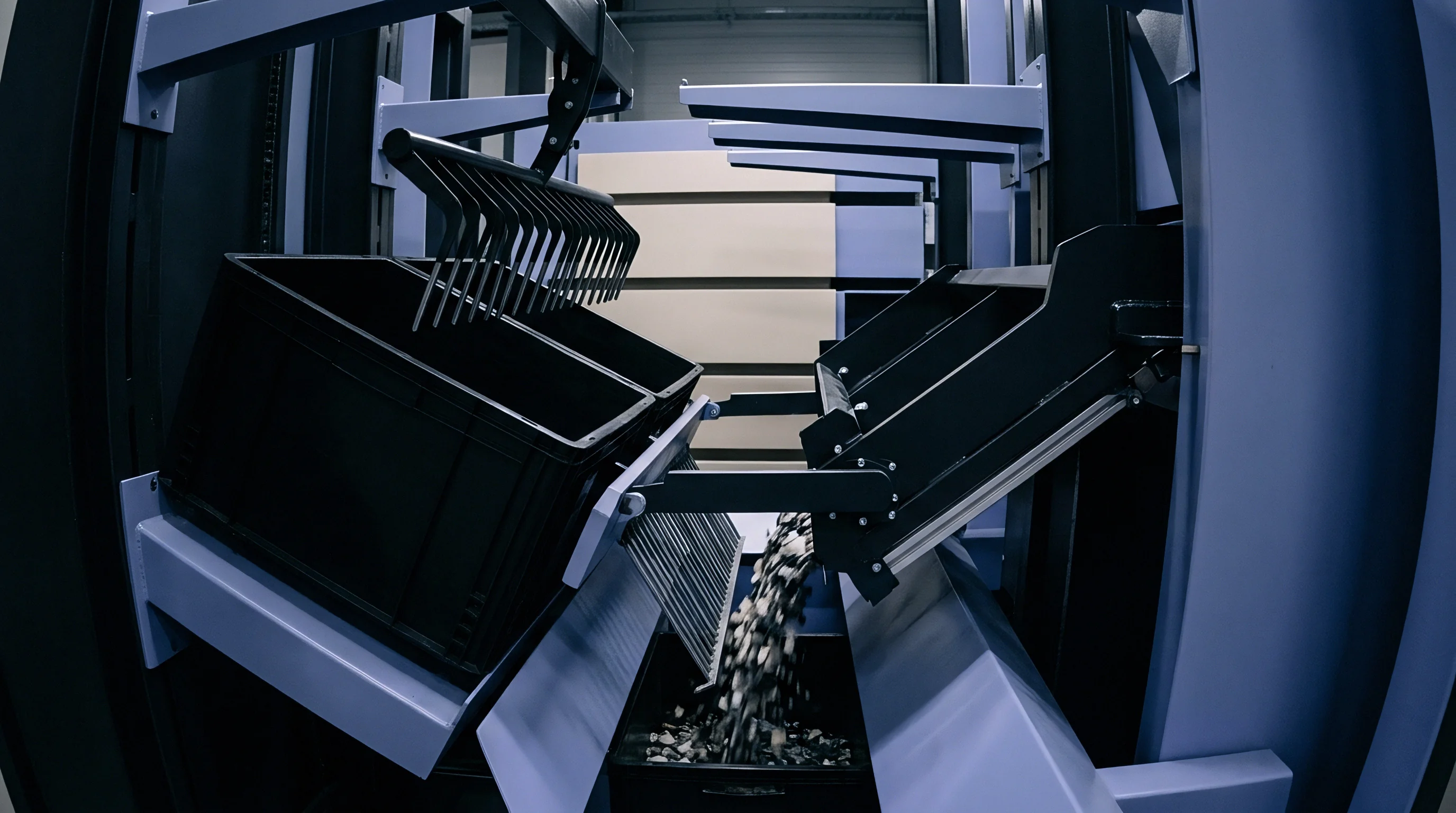
Receiving protocols govern the acceptance or rejection of inbound production lots. Upon initial inspection failure, the buyer files a non-conformance report, activating contractual cost allocations for secondary laboratory testing, diagnostic chemical assays, and third-party validation. If the initial non-conformance is confirmed, the supplier carries all secondary analysis costs; if the retest validates the lot, the buyer absorbs that specific charge.
Shipping containers left at the origin terminal beyond the free-time limit incur daily demurrage charges that fall on the buyer before cargo release.

Defect Sorting and Cost Breakdown Rules
Suspect lots require immediate quarantine to keep downstream lines running. When a supplier cannot sort or rework parts on site, the buyer contracts a third-party sorting house at a defined hourly billing rate charged back to the vendor. These recovery clauses ensure manufacturing defects remain the financial responsibility of the producing plant.
- fees and cost mechanics determine which party carries the financial burden of third-party sorting houses when a shipment contains non-conforming items.
- fees and cost mechanics govern the reimbursement of freight charges for returning defective injection-molded enclosures to the origin factory.
- fees and cost mechanics allocate the expenses of laboratory chemical analyses when materials fail the baseline toxicological screens.
| Inspection Outcome Grade | Primary Action Allowed | Sorting and Handling Cost Bearer | Re-Testing and Laboratory Fee Allocation |
|---|---|---|---|
| Acceptance level passed | Release lot to transit | Buyer account | Included in unit price |
| Rejection limit exceeded | Hold lot for factory sorting | Supplier account | Direct debit to supplier |
Unclear containment and laboratory cost allocations create invoice stalemates that interrupt vendor cash flow and choke subsequent deliveries.


Dock

Demurrage Detention and International Transit Costs
Incoterms govern the distribution of freight costs and transit risks between trading partners. Upon destination arrival, ocean carriers grant an agreed free-time window for customs clearance and container unloading. Demurrage accrues the moment an uncollected container exceeds that port dwell window, while detention charges apply when empty equipment is held past the return deadline.

Risk Transfer Point and Logistic Liabilities
Logistics liabilities pivot sharply on the chosen Incoterm’s delivery point. Under Delivered Duty Paid terms, the supplier pays for import clearance and absorbs terminal holding costs. Under Free on Board terms, the buyer bears demurrage risks and manages container return deadlines.
Because port bottlenecks and customs holds create substantial accessorial charges, freight audits remain necessary to reconcile terminal invoices against contractual delivery points.