Demurrage Fees
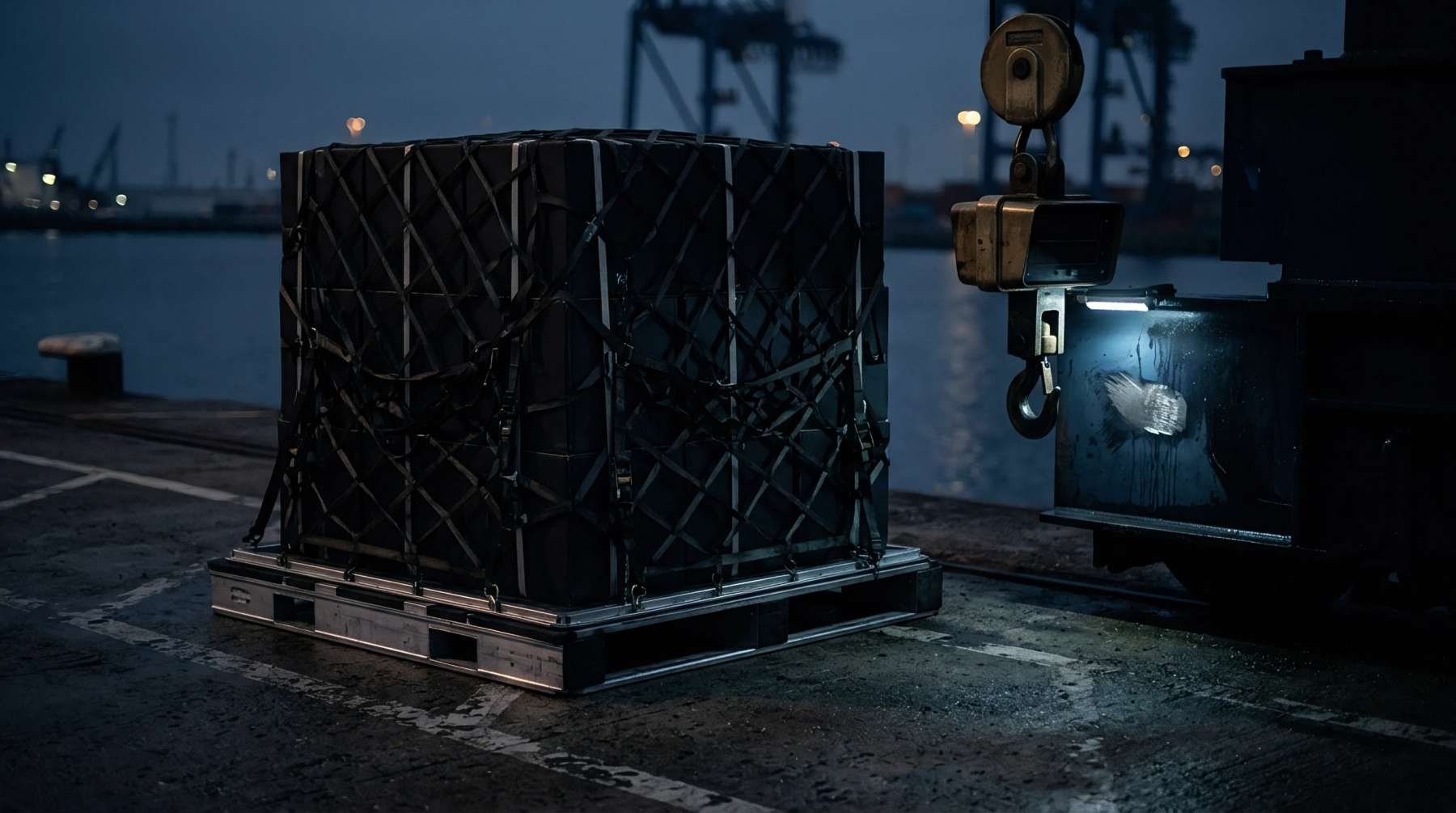
Meaning ~ Terminal storage penalties charged by shipping lines when full cargo containers remain in the port yard beyond the contractually specified free days.
The verification procedure confirming phytosanitary compliance, grade standards, and contamination limits before a harvested commodity crosses an international border operates as an agricultural inspection. Customs authorities and importing ministries mandate this evaluation to prevent the introduction of foreign pests, fungal spores, and pesticide residues exceeding maximum residue limits. Phytosanitary certificates and certificate of origin documents anchor the verification trail, linking specific lot numbers to laboratory assays and portside sampling records.
Jurisdiction begins at designated border control posts or inland consolidation facilities and ends once the cargo receives clearance for domestic distribution.
Border quarantine officials rely on these evaluations to protect domestic agriculture from invasive insects, nematode infestations, and regulated plant diseases carried within raw grain, timber, and fresh produce consignments. Shippers face mandatory fumigation orders, cold treatment protocols, or immediate border rejection when field samples reveal live quarantine pests during the port assessment. Trade friction escalates rapidly when destination phytosanitary standards exceed the baseline tolerances accepted by the exporting nation, creating disputes over testing methodologies and laboratory accreditation.
Commercial contracts usually shift demurrage costs onto the supplier if quarantine officials detain a vessel due to failed phytosanitary documentation or contaminated holds.
Financial exposure shifts between buyer and seller depending on whether the sales contract designates origin or destination determination as final. Origin verification places the burden of rectifying noncompliant lots onto the exporter before maritime loading, preserving the validity of the letter of credit. Destination testing exposes the seller to severe post-shipment penalties, including cargo condemnation, mandatory re-export expenses, and cargo insurance claim denials for inherent vice.
Marine cargo surveyors record temperature excursions and moisture migration inside ship holds during transit, helping adjudicate whether cargo spoilage originated before loading or resulted from ocean voyage delays. Buyers bear the risk of market price drops during prolonged port quarantine holds unless the sales agreement contains explicit clauses allocating detention expenses to the supplier.
Authorized inspectors draw representative samples from bulk grain vessels, containerized produce, and bagged commodities according to statistical standards established by international standardization bodies. Composite sample weights depend upon total shipment tonnage, requiring technicians to probe multiple depths within a hold or open randomly selected cartons across a pallet array. Laboratory technicians screen these composite samples for heavy metal contamination, mycotoxins, weed seeds, and prohibited chemical treatments using gas chromatography and enzyme linked immunosorbent assays.
Discrepancies between commercial weight certificates and official port tally results trigger secondary lot sampling, delaying customs release while inspectors reconcile draft survey figures against shore scale tickets.
Meaning ~ Terminal storage penalties charged by shipping lines when full cargo containers remain in the port yard beyond the contractually specified free days.
Expertise is a utility, not a secret. sentiention™ publishes its working knowledge as open reference: intelligence layer covering the materials it sources, the markets it enters, and the reference that serves both.