Re Inspection Fee
Meaning ~ A re-inspection fee is a compensatory charge for a repeat quality audit of a production lot that failed its original inspection.

Contract
A re-inspection fee is a charge levied by a third-party testing agency to re-evaluate a production lot that failed its initial quality inspection.
In international procurement, this charge shifts the cost of a quality failure back onto the manufacturer responsible for the defective goods. Pre-shipment quality control acts as a gatekeeper before title transfers and final payments go out. When an inspector pulls a sample under standards like ISO 2859-1 or ANSI/ASQ Z1.4 and the defect count exceeds the allowed threshold, the lot is rejected.
The supplier must then sort and rework the batch to eliminate the defects. Since the initial inspection fee covers only the first visit, sending an inspector back to check the rework generates a second invoice from the agency. That second bill is the re-inspection fee.
Whether this fee stays an administrative expense for the buyer or gets charged back to the factory depends on the contract. Sourcing agreements usually include clauses that spell out how quality costs are split. Without an explicit quality agreement, the buyer gets stuck with the testing firm’s invoice and has no clear mechanism to make the factory pay for it.
A Quality Inspection Agreement ~ a legally binding contract addendum ~ bridges that gap by defining when and how the supplier takes on financial responsibility for repeat audits. It directly links the findings in the inspection report to the buyer’s right to deduct money from the final production balance.
Independent testing agencies charge these fees directly to the buyer, who then recovers the funds by deducting them from the factory’s final production balance.
To prevent arbitrary penalties, sourcing agreements cap the fee to actual third-party service costs, travel, and accommodation. The buyer cannot turn the fee into a profit center or charge more than the testing agency’s invoice. Likewise, if an inspection fails because the buyer provided incorrect specifications, or if the inspector simply fails to show up on time, the fee cannot be passed to the supplier.
The charge exists purely to recover real expenses caused by the supplier failing to meet the agreed Acceptable Quality Level during the initial production run.
- re-inspection fee terms serve as the primary commercial mechanism to transfer secondary inspection costs to the non-conforming manufacturer.
- re-inspection fee liabilities trigger whenever the random sample drawn under the agreed sampling plan exceeds the designated reject number.
- re-inspection fee obligations remain suspended if the buyer chooses to accept the non-conforming lot under a mutually agreed concession or price discount.
That leaves the question of how an importer can enforce these cost-allocation rules when dealing with a dominant manufacturer that has enough leverage to reject contract addenda imposing post-failure penalties.
Arithmetic
Calculating the true financial impact of a failed quality check requires factoring in man-days, travel distances, and total production volume. Testing firms price their work around the man-day ~ the amount of work one technician can finish in an eight-hour shift. That shift covers traveling to the plant, pulling samples, running test protocols, and compiling the inspection report.
When a lot fails, the follow-up evaluation requires an identical or even tightened sampling plan, repeating those man-day charges. To avoid hidden administrative costs, buyers need to track how travel expenses, hotel stays, and overtime rates combine with the baseline man-day rate to form the total chargeback.
Under ISO 2859-1, lot size determines the sample size code letter for General Inspection Level II. Larger production runs require larger sample sizes, which take more man-days to inspect. For instance, a lot of 15,000 units requires a sample size of 315 units, while a lot of 50,000 units calls for 500 units.
If an initial inspection of 15,000 units fails, the inspector has to return once factory sorting is complete. That follow-up audit cannot just re-check the rejected pieces; the inspector must pull a fresh random sample of 315 units from the entire sorted batch to verify uniform rework. This second visit repeats the labor and travel costs of the first, effectively doubling the inspection expense for that purchase order.
A single failed quality check can delay a shipment by two weeks while the factory sorts, reworks, and pays for the follow-up inspection.
Consider a typical order for 25,000 steel brackets at $2.50 per unit ~ a total order value of $62,500 ~ produced in an industrial zone 150 kilometers from the agency’s nearest office. Under General Inspection Level II, this lot size falls under Code Letter M, requiring a sample size of 315 units. Since an inspector can evaluate roughly 200 units of this type per day, the agency budgets two man-days for the visit.
At $300 per man-day, labor comes to $600. Adding travel expenses ~ a $50 train ticket, $30 in taxi fares, and a $70 hotel stay ~ brings the initial inspection total to $750. If the batch fails because paint adhesion defects exceed the AQL threshold, the factory must strip and repaint the brackets.
The follow-up inspection duplicates those exact costs, generating a second $750 invoice that the buyer will recover as a re-inspection fee.
| Lot Size (Units) | Sample Size (Units) | Code Letter | Inspector Man-Days | Labor Cost (USD) | Travel Expenses (USD) | Total Cost (USD) |
|---|---|---|---|---|---|---|
| 3,000 to 10,000 | 200 | L | 1.0 | 300.00 | 80.00 | 380.00 |
| 10,001 to 35,000 | 315 | M | 2.0 | 600.00 | 150.00 | 750.00 |
| 35,001 to 150,000 | 500 | N | 2.5 | 750.00 | 180.00 | 930.00 |
| Note: Standard labor rate calculated at 300 USD per man-day; travel expenses assume a distance within 150 kilometers of the service hub. | ||||||
When an inspection report comes back failed, the buyer usually has two options: demand a full rework and re-inspection, or accept the lot as-is in exchange for a discount. Choosing between them means comparing the downstream costs of sorting defective goods at the destination warehouse against the immediate cost of holding the shipment for factory rework and a second inspection. A 10% price concession on a failed batch might look tempting, but labor costs for sorting, return processing, and customer support in the destination market often swallow those savings whole.
Pushing the rework and follow-up audit back onto the supplier makes sure the factory, not the importer, pays for the quality slip.
| Action Path | Supplier Concession (USD) | Sorting and Return Cost (USD) | Re-Inspection Fee (USD) | Net Cost to Buyer (USD) | Quality Guarantee Level |
|---|---|---|---|---|---|
| Accept with 10% Discount | 5,000.00 | 7,200.00 | 0.00 | 2,200.00 | Unverified |
| Accept with 15% Discount | 7,500.00 | 7,200.00 | 0.00 | -300.00 | Unverified |
| Rework and Re-Inspect | 0.00 | 0.00 | 380.00 | 0.00 | Verified |
This math assumes the supplier pays the re-inspection fee under a Quality Inspection Agreement. If the contract fails to assign that expense to the seller, the buyer has to absorb the $380 out of their own margin. Without a clear chargeback mechanism in the purchase order, the buyer’s financial buffer against factory mistakes quickly disappears.
As a rule, the buyer recovers follow-up audit costs by deducting the exact service charge from the final balance payment, keeping the financial burden of quality failures where it belongs.
Floor
The factory floor is where quality standards either hold up or crumble under delivery deadlines. When an initial inspection fails, factories often attempt what is called cosmetic sorting ~ fixing only the top layer of cartons on stacked pallets while leaving defective goods hidden in the middle and bottom layers. Experienced inspectors avoid this trap by requiring the factory to tear down the pallets and lay out the entire lot so every carton is accessible.
They also run a physical count to verify that the whole batch was reworked before drawing a new sample.
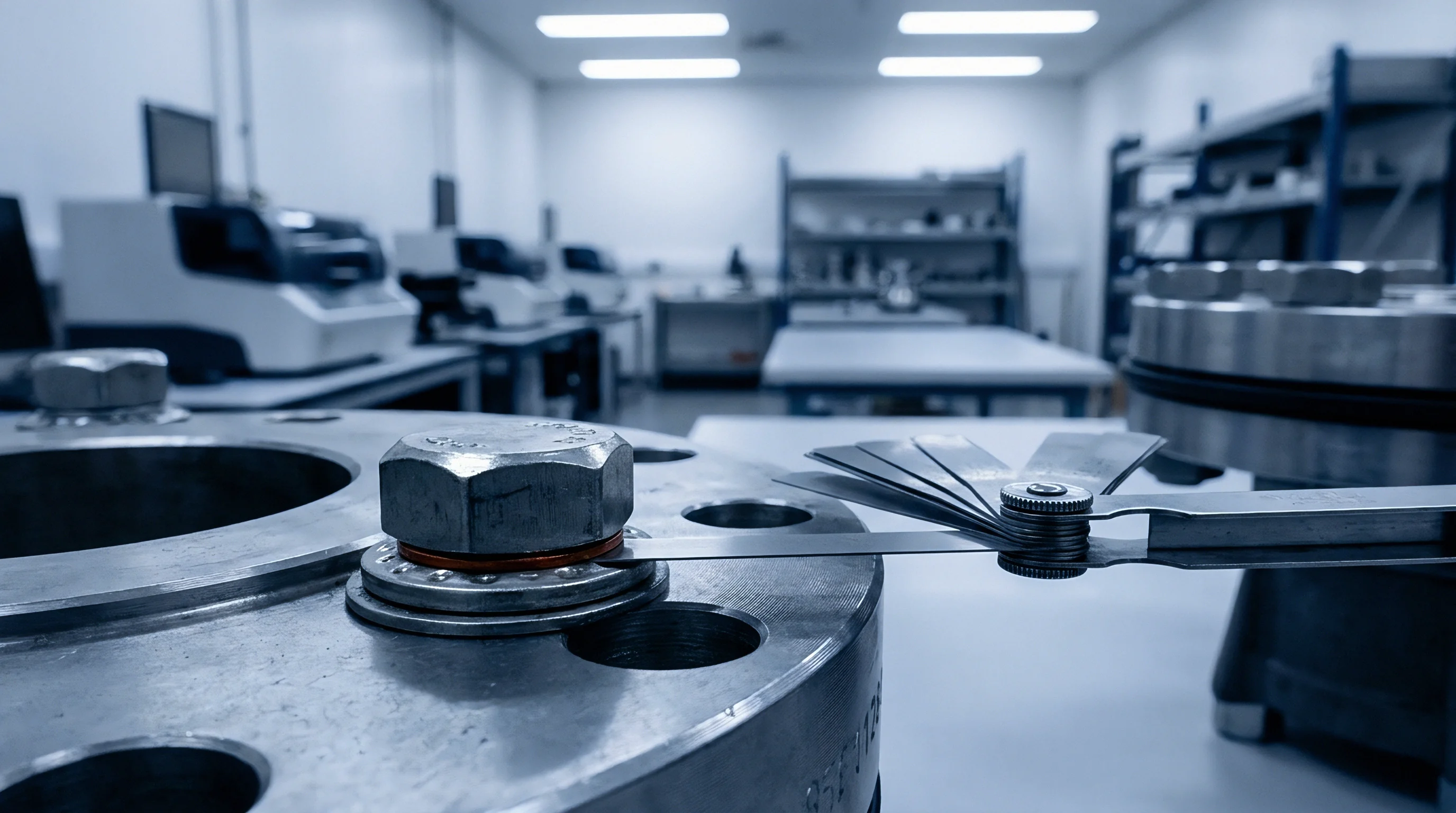
During the re-inspection, the technician uses the exact same equipment and test protocols as the first visit. If the batch originally failed due to dimensional variations in injection-molded plastic enclosures, the inspector pulls out the same calibrated calipers and fixtures on the same assembly benches. To stop the factory from pre-selecting good units, the inspector pulls cartons directly from the stacks using a randomized pattern.
This hands-on approach is the only reliable way to confirm the factory performed a full 100% check rather than a rushed, superficial pass to meet a vessel date.
Independent inspectors require direct payment from the buyer to ensure impartiality, leaving the buyer to recover the cost from the supplier later.
A re-inspection fee deters factories from calling for a re-check before rework is actually done. When a factory knows another failed report will cost them several hundred dollars, they take sorting seriously. If the buyer waives the fee or fails to enforce the chargeback, the factory has every incentive to run a quick, careless sort and call the inspector back immediately, hoping to pass by luck.
That shifts quality control from the factory’s internal QA team onto the third-party inspector, turning quality assurance into an expensive sequence of trial-and-error visits funded by the importer.
Who Pays the Re-Inspection Fee after Failure?
The testing agency always bills the buyer for the follow-up visit to preserve impartiality and prevent financial ties with the factory. If the factory paid the inspector directly, the conflict of interest would be obvious: inspectors would face pressure to pass borderline lots to secure payment or future work. Keeping all money transactions strictly between buyer and agency protects the report’s integrity.
Once the buyer pays the testing firm’s invoice, they execute the chargeback by deducting that amount from the supplier’s pending payment. This separation keeps the inspection objective while ensuring the factory pays for producing defective goods.
- re-inspection fee charges compound if a factory fails to carry out the corrective actions from the initial report, forcing a third or fourth field visit.
- re-inspection fee agreements should be attached to the master purchase order so the manufacturer cannot claim ignorance of testing protocols.
- re-inspection fee deductions are handled by accounts payable using the agency’s invoice as direct proof of the breach.
Allowing the factory to select the agency or pay for follow-up visits directly destroys the objectivity of the check, opening the door to hidden incentives that encourage inspectors to overlook major defects.

Dock
A failed inspection immediately halts the export workflow because goods cannot be released for transit to the port. Under FOB terms, risk and responsibility transfer to the buyer only after products are loaded onto the vessel at the named port. If goods are held at the factory for rework and a re-inspection, the seller remains responsible for storage, safety, and insurance.
The resulting delay disrupts the shipping schedule, forcing freight forwarders to cancel container bookings and try to secure space on later sailings.
The costs of these delays go well beyond testing fees. If a container was picked up and brought to the factory for loading when the inspection failed, the empty box cannot be returned to the yard on time. The shipping line then charges daily detention fees for every day the equipment stays outside the terminal past its free time allowance.
If a loaded container is moved to the port but cannot clear export without a passed quality certificate, it sits in the port yard accruing demurrage. A well-drafted contract ensures the seller absorbs all related logistics charges alongside the re-inspection fee.
Contracts that fail to specify that the seller bears the re-inspection cost leave the importer entirely liable for all subsequent testing fees.
The purchase order’s shipping date serves as a firm deadline that suppliers must hit to avoid late penalties. When a lot fails, the factory has a narrow window to complete rework and re-inspection before missing the sailing. Sourcing teams leverage this time crunch to ensure the plant prioritizes fixing the defective batch over starting new production runs.
Refusing to prioritize rework exposes the factory to both late-delivery penalties and repeat testing costs. This pressure keeps labor focused on solving the quality issues immediately rather than dragging out the process and jeopardizing retail launch dates.
Sellers will often argue that the shipping window is closing and that waiting for a second check will miss the vessel ~ pressuring the buyer to either accept the batch as-is or pay for air freight.
Ledger
Accounting departments convert quality findings into specific ledger adjustments. When a pre-shipment inspection fails, accounts payable holds the final balance payment ~ usually 70% of the total order value. This balance is the buyer’s main leverage to get the factory to fix the goods and cover follow-up fees.
If a buyer pays out the full balance before quality checks are completed, enforcing chargebacks becomes nearly impossible if the supplier refuses to cooperate.
Processing the deduction requires matching the testing firm’s invoice against the purchase order and Quality Inspection Agreement. Sourcing then issues a debit note breaking down the re-inspection costs ~ labor hours, travel, and lodging ~ and sends it to the factory’s accounting team. When final payment is wired or released under a Letter of Credit, the buyer’s bank deducts the debit note total from the invoice amount and remits only the balance.
On the buyer’s ledger, this is logged as a cost recovery under quality expenses, offset by the reduction in accounts payable.
Accounts payable teams typically follow this sequence to process and recover re-inspection costs from a non-conforming supplier:
- Reconcile the agency’s invoice against the failed inspection report and corrective action plan.
- Generate a formal debit note listing the batch number, failure date, and direct costs of the recheck.
- Send the debit note and supporting docs to the supplier’s accounting department to confirm receipt.
- Deduct that sum from the final balance payment before wiring funds or releasing the Letter of Credit.
This workflow creates an auditable paper trail that prevents disputes and handles quality costs with the same rigor as standard invoices. Building these steps into an ERP system allows sourcing managers to track vendor performance over time and generate accurate cost-of-quality reports for management.
In the event of a quality failure under this agreement, the buyer shall deduct three hundred dollars per inspection man-day, plus all reasonable travel and accommodation expenses incurred by the designated agency, directly from the final invoice balance ~ shifting the financial and administrative burden of non-conformance entirely to the seller.
Dispute
Friction between buyers and suppliers peaks when a factory challenges a failed inspection report or refuses chargebacks. Manufacturers often claim the inspector was overly picky, used wrong standards, or worked under poor lighting and bench conditions. To dodge the re-inspection fee, factories frequently offer internal QC reports claiming 100% compliance.
But internal reports lack independent statistical validity; waiving a re-inspection based on factory self-checks exposes the importer to significant supply chain risk.
Resolving these disputes requires a pre-established mechanism based on evidence rather than arguments. The benchmark in any quality dispute is the golden sample ~ a pre-production unit signed and sealed by both parties before mass production begins. When an inspector identifies a defect, they compare the production units directly against this golden sample.
If the factory still pushes back, the contract should specify a joint evaluation: a senior technician from the agency re-evaluates the disputed units alongside the factory’s quality manager. That joint review provides a definitive outcome so rework and re-inspection can move forward.
If a factory digs in and holds goods hostage ~ demanding final payment before doing any rework ~ the buyer relies entirely on their contract and payment terms. Contracts governed by established trade law give buyers the right to cancel the order, recover the deposit, and claim damages for breach if the supplier fails to deliver conforming goods on schedule. That legal recourse, backed by a withheld balance payment, gives the buyer the leverage needed to compel the factory to accept the debit note, sort the lot, and complete the rework needed to pass inspection.
Sourcing teams analyze these dispute outcomes to refine purchase order clauses, closing loopholes that non-conforming suppliers might otherwise exploit during negotiations.