Meaning
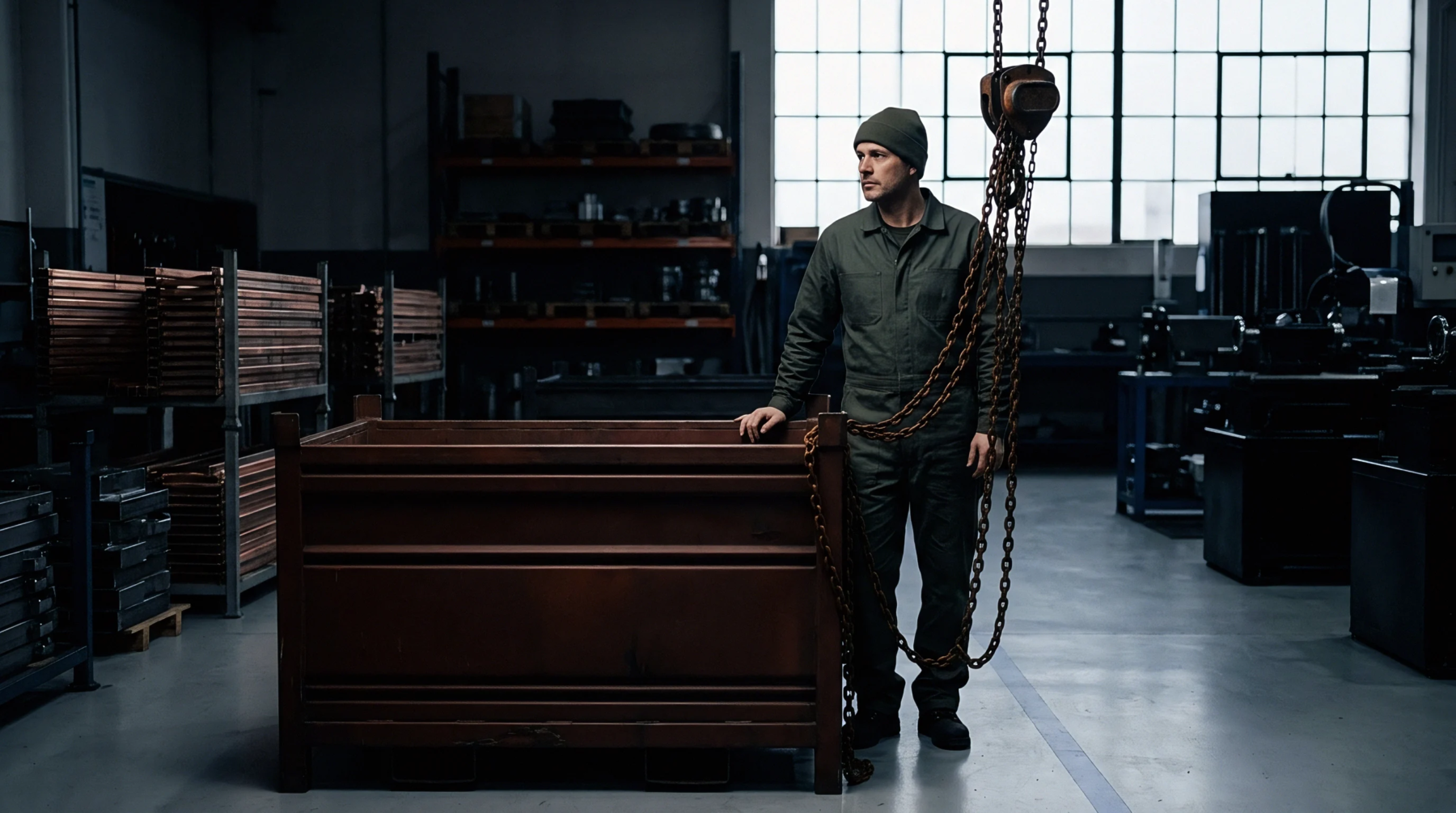
Verification of incoming goods against purchase specifications occurs during this formal control point within a supply chain. A receiving inspection determines if the physical delivery matches the quality and quantity requirements defined in the procurement contract. Personnel identify discrepancies between the manifests and the actual items, which protects the buyer from accepting defective or incorrect inventory.
This stage concludes once the organization releases the shipment into storage or marks the units as rejected.
Operational Timing
Production schedules rely on the rapid movement of raw materials from the dock to the floor. The physical examination happens immediately after the freight carrier delivers the load and before the logistics department records the stock as available. Delays at this stage trigger bottlenecks in manufacturing workflows and inflate inventory holding costs through idle time.
Managers often coordinate these arrivals with arrival windows to prevent the congestion of loading bays and to ensure that the staff responsible for quality verification are present when trucks arrive.
Contractual Consequences
Disputes regarding liability for damaged cargo frequently stem from findings recorded at this checkpoint. Proof of nonconformity provided at the point of delivery establishes a solid position for the buyer when asserting rights against a supplier or insurance carrier. Missing or imprecise records at this juncture shift the burden of proof to the recipient, often forcing the payment of invoices despite the receipt of sub-standard items.
Commercial agreements typically specify the duration allowed for these checks, and any failure to note defects within that window results in an automatic waiver of claims.
Risk Mitigation
Reliance on visual assessment alone creates significant exposure to hidden internal failures within complex components. Robust protocols require testing against documented standards to identify faults that escape superficial observation during offloading. Effective procedures reduce the probability of downstream production waste caused by the assembly of tainted parts.
Poor performance in this area guarantees that the expense of rectifying defects remains with the purchaser rather than the manufacturer.