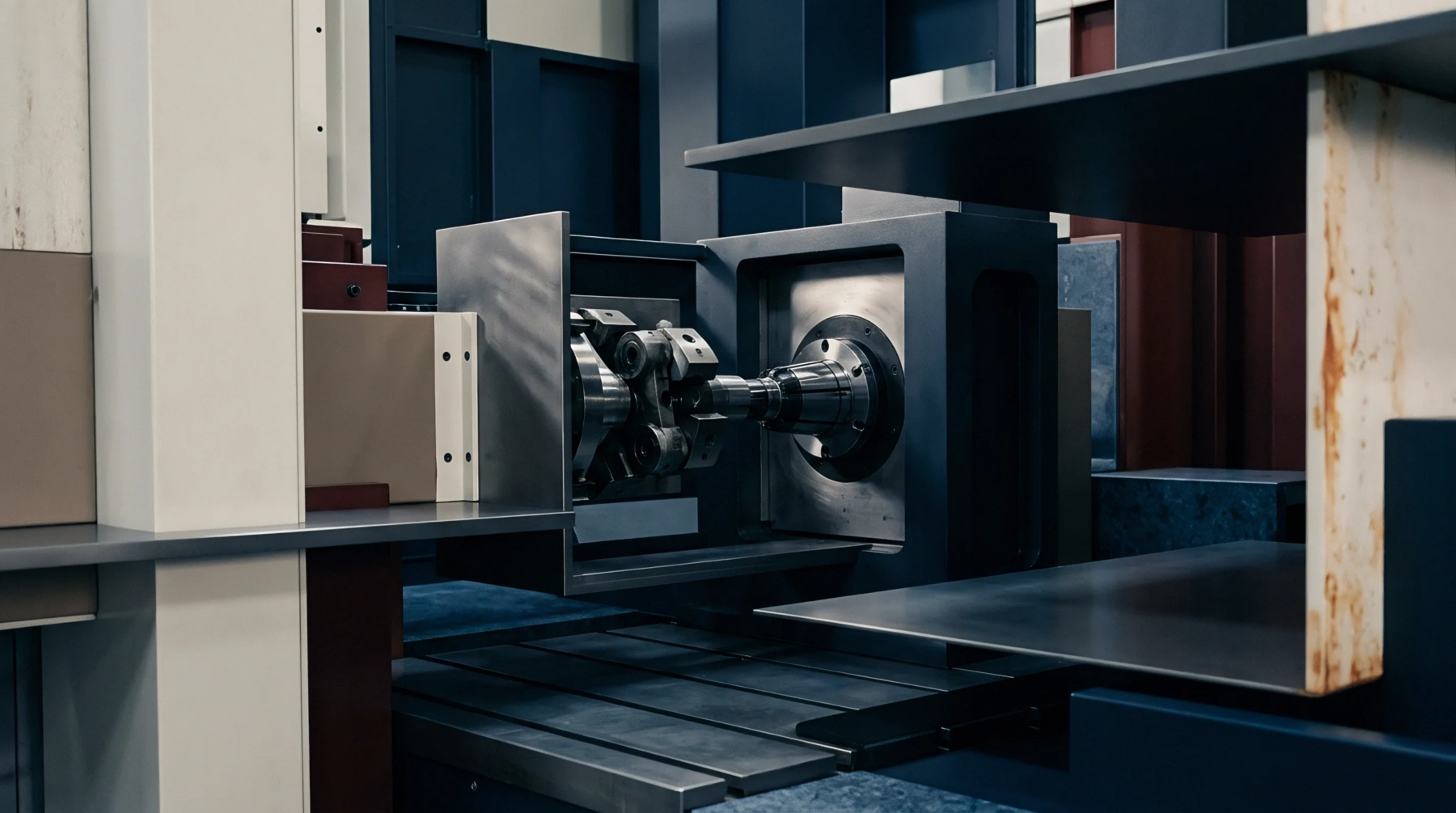
Tooling Amortization Costs
Meaning ~ Asset recovery fees added to per-piece prices cover the design and build of custom equipment until a designated volume threshold cancels the debt.
Mathematical models that calculate the base cost of goods at the point of manufacture by totaling raw material expenses and direct labor while excluding all subsequent logistics or insurance costs determine the floor price. This factory gate price arithmetic is the starting point for all price negotiations between a brand and a manufacturer. It represents the actual cost to produce the item before any profit or transport fees are added.
The boundary of this calculation is the physical exit of the factory, meaning it does not include the cost of trucking to a port or the duties required for export. It governs the transparency of the supply chain by allowing buyers to see exactly how much of their money is going toward materials versus the supplier’s overhead.
Calculations begin with a bill of materials that lists every component and its current market price. This factory gate price arithmetic then adds the cost of labor, which is calculated by multiplying the number of minutes required for assembly by the hourly rate of the workers. Power, water and the depreciation of the machinery are also included as a percentage of the total.
Many suppliers try to hide their profit margins within these overhead categories, so a skilled buyer will demand a detailed breakdown of these costs. The goal is to reach a price that is fair to the supplier while ensuring that the buyer is not overpaying for the actual production. When material prices for commodities like steel or plastic fluctuate, the arithmetic must be updated to reflect the new reality.
Differences between the estimated cost and the actual cost determine whether a project is profitable for the manufacturer. This factory gate price arithmetic is often used to set a target price during the design phase of a product. If the arithmetic shows that the item will be too expensive to produce, the engineers must change the design or the material selection to lower the cost.
During mass production, the actual costs are tracked against this baseline. If the factory becomes more efficient and reduces the labor time, the gate price should theoretically drop. However, most suppliers keep these savings as extra profit unless the contract includes a gain-sharing clause.
Audit rights are often included in a contract so that the buyer can verify the numbers used in the calculation.
Records for these costs are found in the production logs and the invoices from the material sub-suppliers. This factory gate price arithmetic provides the data needed for a clean audit of the supplier’s financial health. If a supplier is offering a price that is lower than the actual cost of materials and labor, it is a sign that they may be cutting corners on quality or safety.
It could also mean that they are planning to raise prices once the buyer is locked into the relationship. Understanding the math behind the price is the best way to avoid these traps. A transparent pricing model builds trust between the two parties and leads to a more stable long-term partnership.
The final number is the foundation upon which all other logistics costs are built.
Meaning ~ Asset recovery fees added to per-piece prices cover the design and build of custom equipment until a designated volume threshold cancels the debt.
Expertise is a utility, not a secret. sentiention™ publishes its working knowledge as open reference: intelligence layer covering the materials it sources, the markets it enters, and the reference that serves both.