Lot-by-Lot Inspection
Meaning ~ Discrete production batches are individually evaluated through randomized sampling to determine their release or rejection under lot-by-lot inspection.


Standard
Lot-by-lot inspection establishes a quality control regime where each production batch is sampled and checked against predefined acceptance quality limits before release or shipment.
Unlike continuous monitoring or periodic quality audits, the method treats every lot as a self-contained population. Once a production run is quarantined, inspectors pull a set number of units at random, and the whole batch passes or fails solely on how many nonconforming items appear in that pull. The procedure is standard across high-volume industrial purchasing and underpins cross-border trade, where buyers cannot inspect every piece themselves.
Because testing halts at the factory gate or staging area, it evaluates finished parts rather than the upstream manufacturing line. That leaves an inherent risk: even lots that satisfy statistical thresholds can harbor pockets of clustered defects that random draws miss.

Bench
Inspectors on the factory floor rely on standard tables to set sample sizes and passing marks for each batch. Under regimes like ISO 2859-1 or ANSI/ASQ Z1.4, the lot size sets the table row, while the inspection level ~ typically General Level II ~ supplies the code letter. That letter dictates the exact draw required from the quarantined goods, a draw that must be strictly randomized across the entire skid.
When Does a Single Defect Fail a Lot?
Under a single sampling plan, exceeding the acceptance limit scraps or rejects the whole lot immediately. Physical bench checks proceed through a fixed sequence, measuring dimensions with calibrated digital calipers or inspecting surfaces under high-lux lamps. A single deviation beyond tolerance on a critical feature, such as a pin diameter or thread pitch, counts against the lot’s margin.
Technicians still test the entire sample size even after hitting the cutoff, establishing an accurate tally of the lot’s overall defect rate.
| Lot Size (Units) | Code Letter | Sample Size |
|---|---|---|
| 151 to 280 | G | 32 |
| 281 to 500 | H | 50 |
| 501 to 1200 | J | 80 |
| 1201 to 3200 | K | 125 |
Rule of thumb for drawing samples: if you cannot reach the boxes at the bottom and back of the pallet, the sample is not truly random.
Arithmetic
Acceptance sampling models risk through the operating characteristic curve. Buyers define acceptable exposure using the Acceptance Quality Limit (AQL), the upper threshold of nonconforming parts tolerated as a process average. For example, a batch of 3,000 units inspected at an AQL of 1.5% for major defects points to Code Letter K. That mandates a 125-unit sample, allowing 5 defective parts to pass and triggering rejection at 6.
The acceptance number dictates the commercial threshold between an accepted shipment and a total rework obligation.
Finding 6 major nonconformances in that 125-piece draw fails the entire batch.
| AQL Percentage | Acceptance Number (Ac) | Rejection Number (Re) |
|---|---|---|
| 1.0 | 3 | 4 |
| 1.5 | 5 | 6 |
| 2.5 | 7 | 8 |
| 4.0 | 10 | 11 |
The operating characteristic curve illustrates the probabilities: if a lot’s actual defect rate is 1.5%, its chance of acceptance sits around 98%. If true defect levels reach 5%, that probability plunges below 40%. Skimping on the sampling math passes defective stock straight down to production lines, stalling assembly and driving field warranty costs.
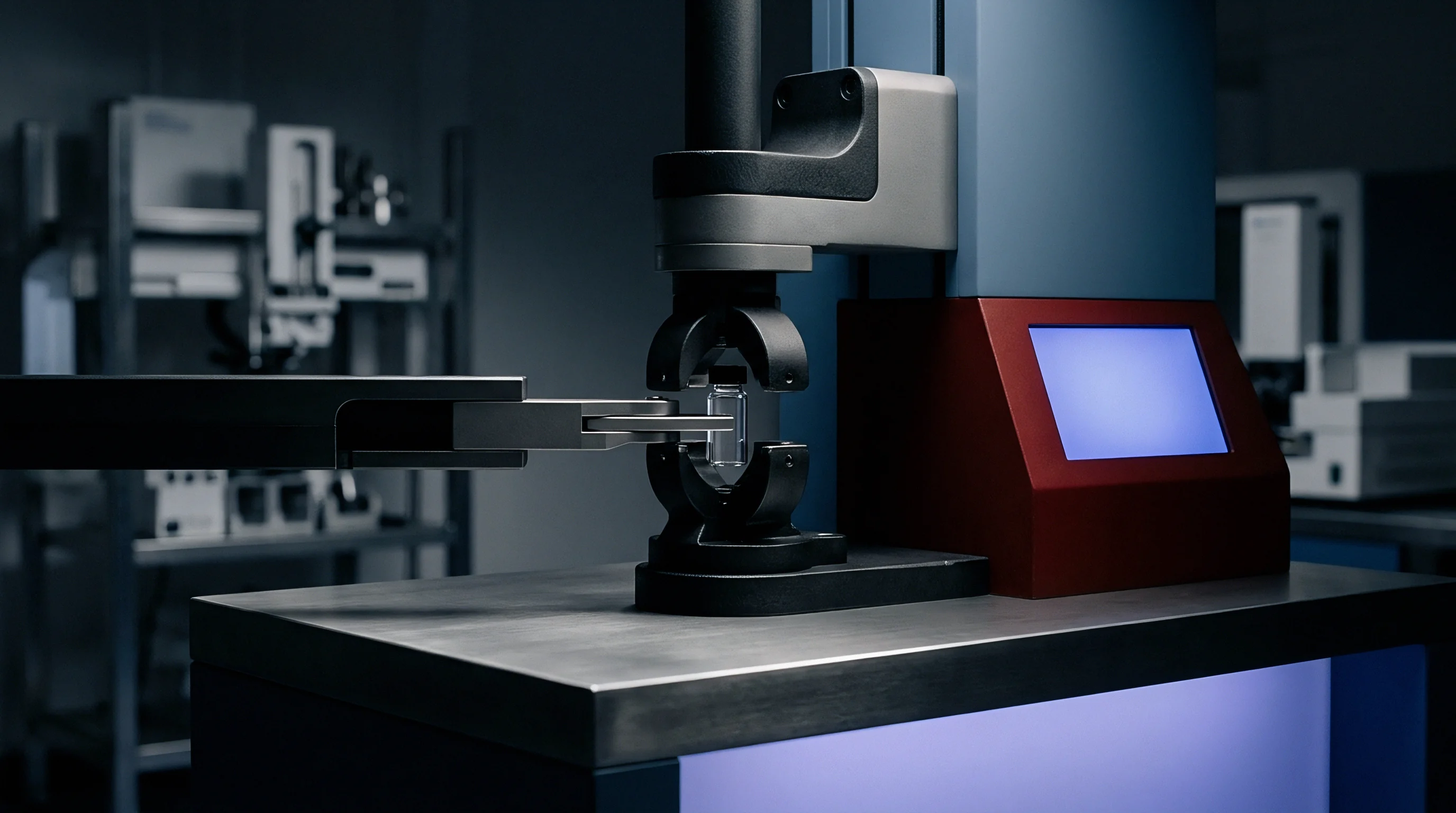
Paperwork
Importers use purchase agreements to manage exposure by defining inspection timing, fee obligations, and fallout procedures. Standard contracts state that rejected lots must be sorted, reworked, or replaced at the seller’s expense.
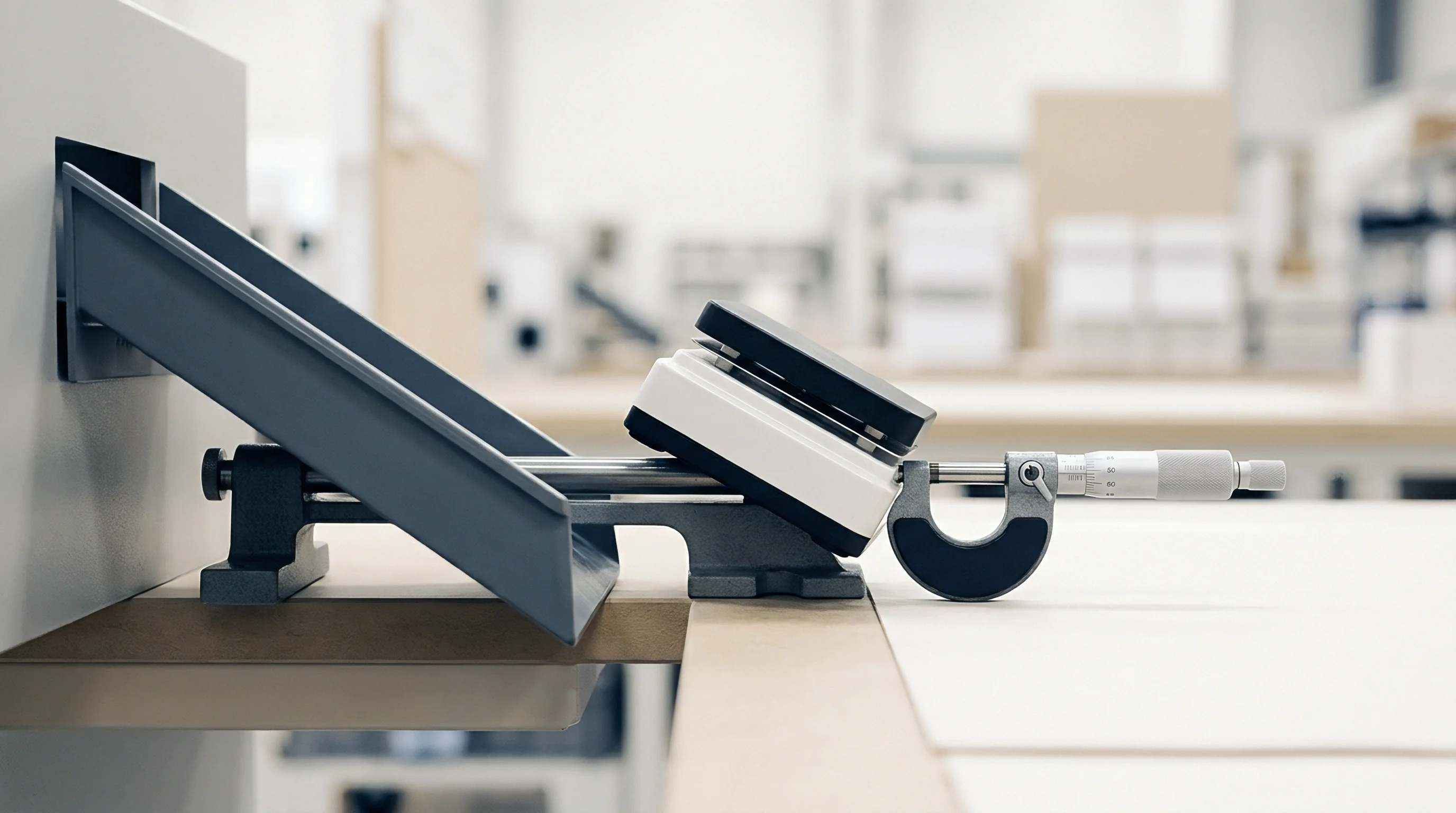
Who Pays for Re-Inspection after Failure?
Commercial agreements generally assign re-inspection costs to the supplier once a lot fails initial testing. Buyers stipulate target AQL values directly in the purchase order to keep them enforceable; skipping this language routinely leaves freight storage and third-party lab bills caught in dispute.
- Lot-by-Lot Inspection demands that samples are drawn from throughout the entire batch to ensure randomized representation.
- Lot-by-Lot Inspection protects the buyer from receiving a run of defective components by enforcing clear statistical gates.
- Lot-by-Lot Inspection establishes the baseline metrics for tracking long-term supplier quality trends over consecutive orders.
Standard purchase clauses place the expense of second-round testing, including an independent inspector’s travel, onto the seller whenever the initial run fails criteria.
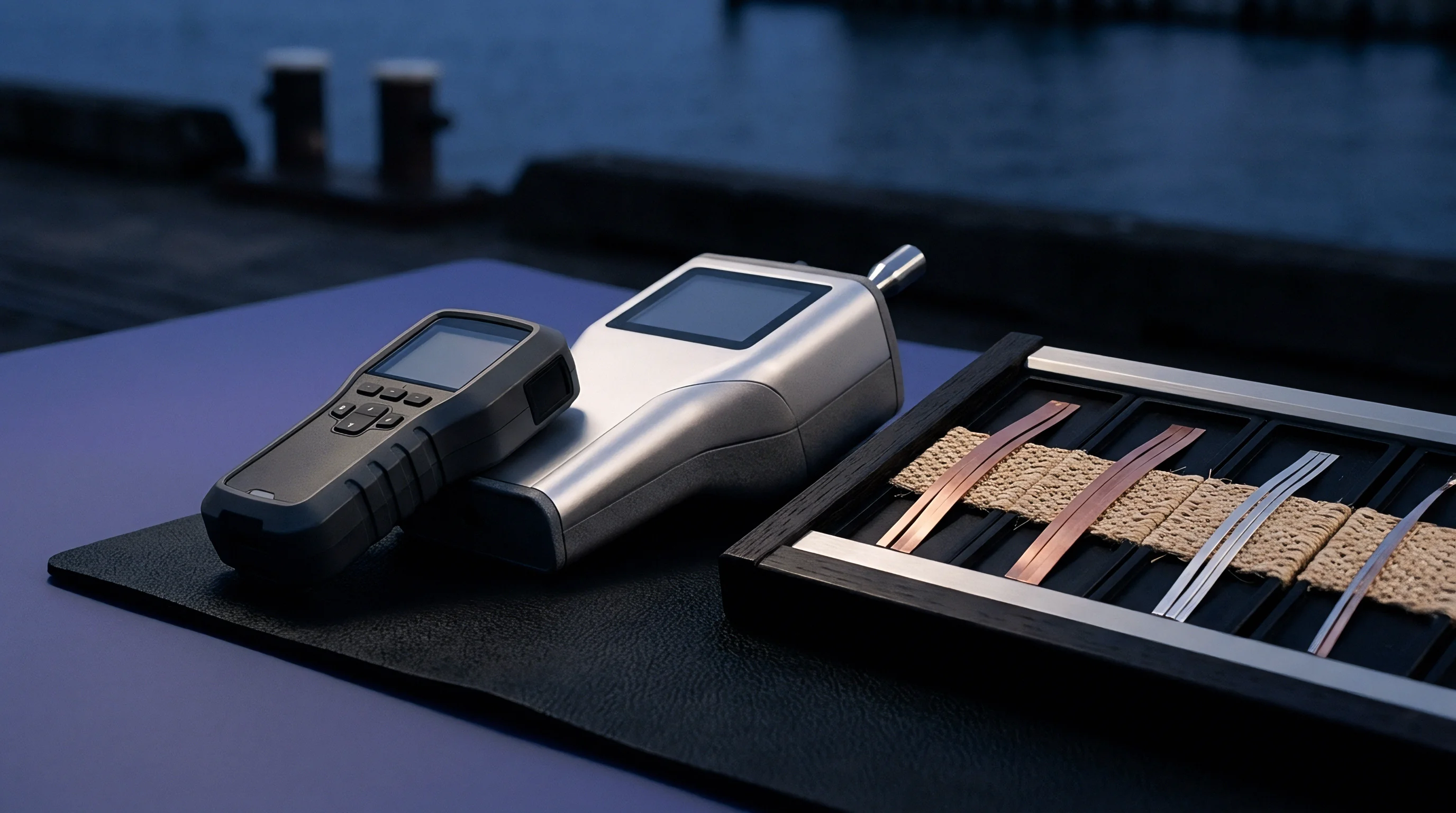
Ledger
A failed inspection immediately hits unit economics. On precision-machined orders, a rejected lot forces 100% sorting or extensive rework. Take a run of 10,000 units priced at $5 each: sorting through the entire batch on-site at $0.50 per unit in labor directly cuts supplier margin.
Sellers bear the financial burden of storage fees and transport costs for rejected lots remaining in local warehouses.
Expenses mount quickly if a shipment has already crossed an ocean. Returning defective cargo incurs heavy freight bills alongside export and customs paperwork. Vendors often counter with a 10% concession under the argument that cosmetic flaws will not affect assembly performance, but accepting marginal components risks downstream warranty liabilities that easily outstrip the rebate.
| Action Type | Labor Cost per Unit (USD) | Total Cost (USD) |
|---|---|---|
| On-Site Sorting | 0.50 | 5,000 |
| Factory Rework | 1.20 | 12,000 |
| Return Shipment Freight | 2.50 | 25,000 |
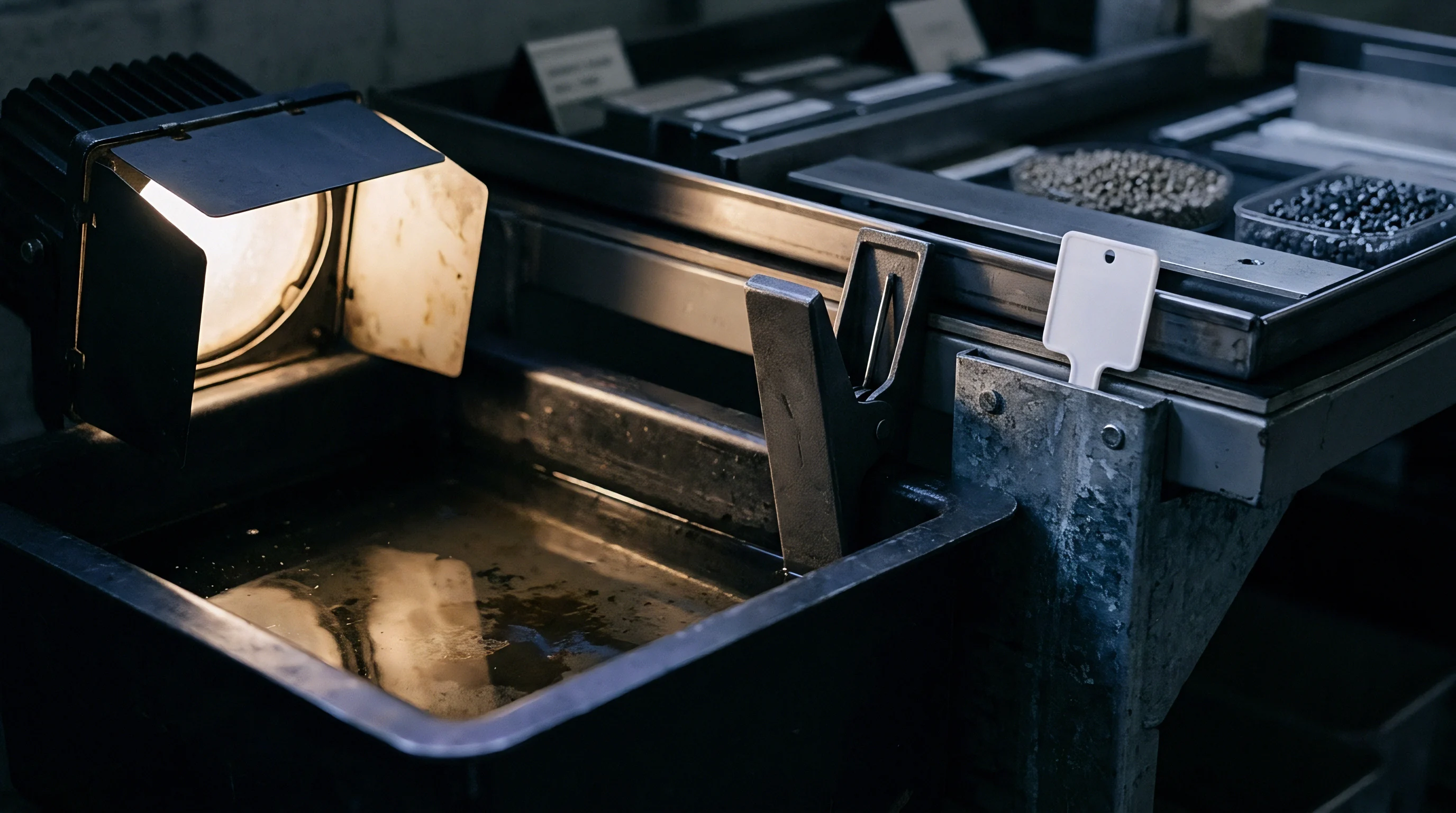
Dock
Logistics chains stall when freight is placed under quarantine. Without an approved release certificate, warehouse managers will not clear a lot for outward transit or customs release, moving affected pallets into segregated holding areas so defective goods never mix into active stock.
- The container arrives at the warehouse door for unloading and staging.
- Inspectors verify that the batch numbers match the commercial invoice and packing list.
- Sampling occurs across the staged pallets using the predetermined random coordinate system.
- Laboratory results determine whether the goods transfer to inventory or undergo immediate quarantine.
Holding freight creates immediate delivery delays and financial exposure. On a $50,000 consignment, two weeks spent waiting on sorting or secondary reviews brings port demurrage and broken fulfillment windows. In regulated supply chains where clearance hinges on compliance packets, the lot inspection certificate functions as an essential entry filing for customs agents.
Dispute
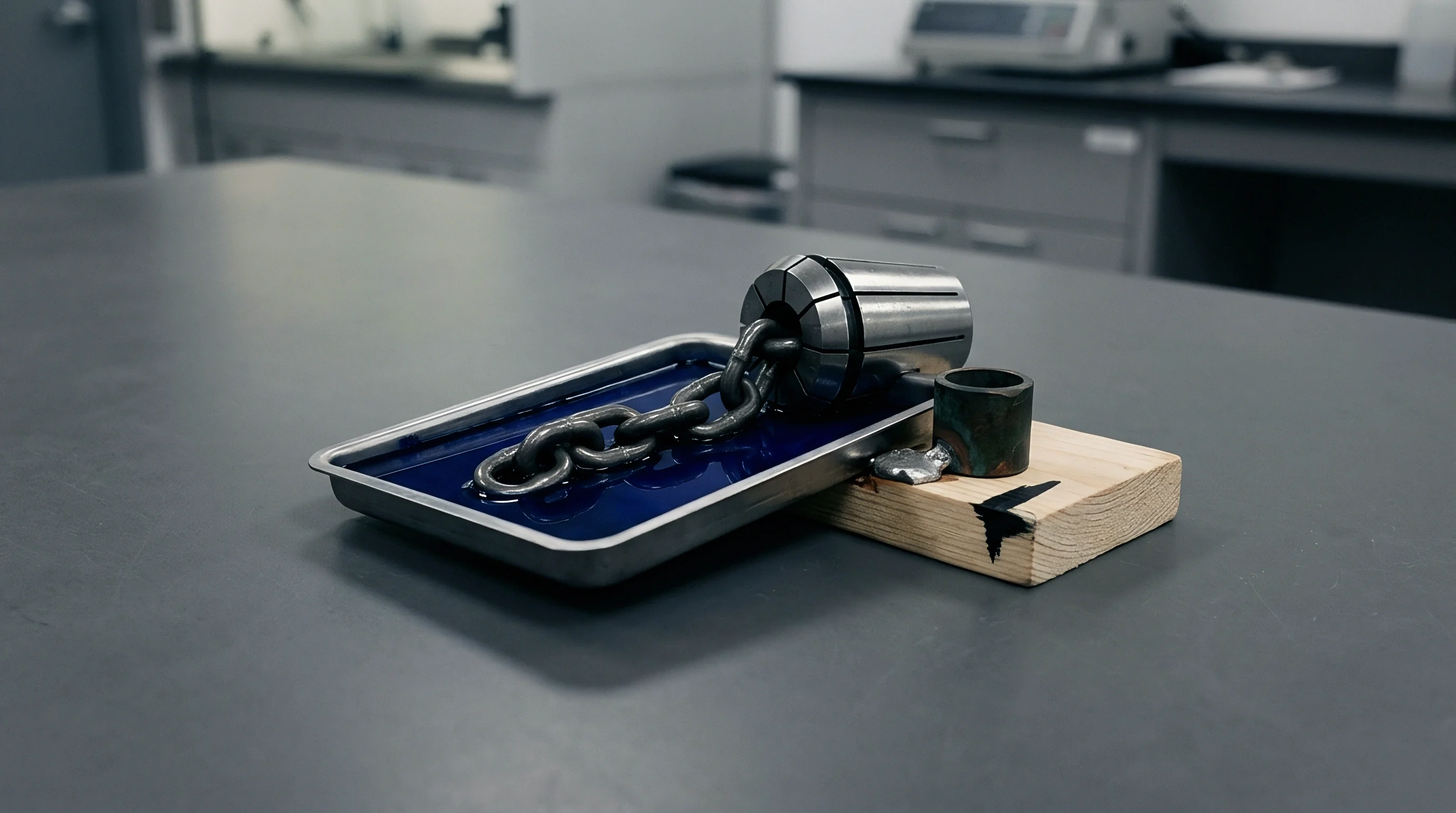
Disagreements over whether a flaw is critical or purely cosmetic remain a regular point of friction between buyers and suppliers. Preparing an indexed defect library with visual limit samples before production limits these arguments, giving both sides an agreed baseline when inspecting nonconforming parts.
Failure to provide randomized access to the entire lot invalidates the sampling certificate and halts the customs clearance process.
- Lot-by-Lot Inspection resolves disputes by providing objective, repeatable measurements on every contested batch.
- Lot-by-Lot Inspection prevents subjective quality claims by relying entirely on pre-agreed acceptance numbers.
- Lot-by-Lot Inspection utilizes a third-party laboratory analysis to act as the final arbitrator when agreement fails.
Disputes frequently boil down to metrology. When a buyer’s micrometer reads differently from the vendor’s, the validity of the whole lot-by-lot report falls apart. Clear quality agreements therefore outline calibration routines and tool standards so both facilities evaluate parts against the same benchmark.