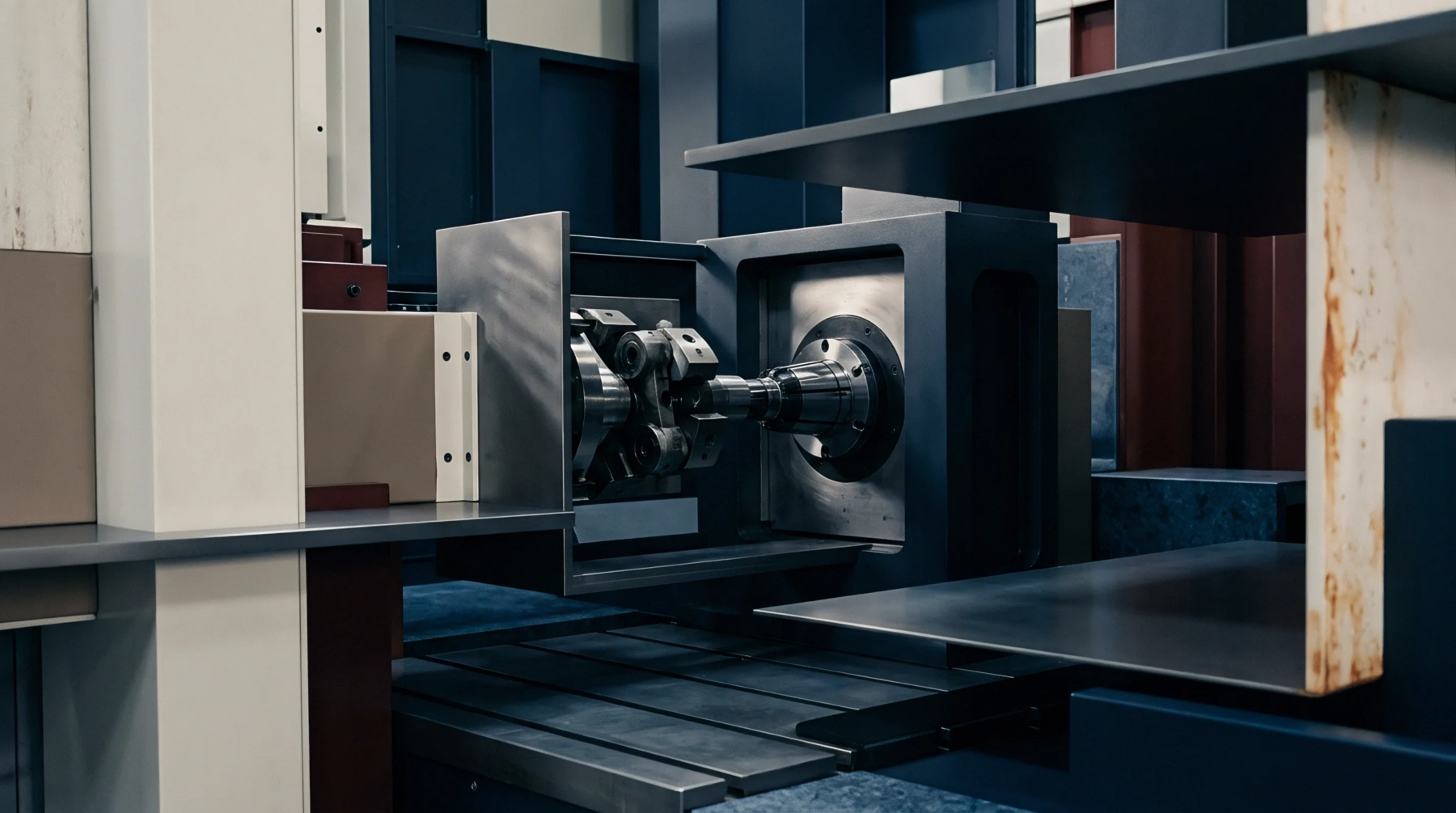
Tooling Amortization Costs
Meaning ~ Asset recovery fees added to per-piece prices cover the design and build of custom equipment until a designated volume threshold cancels the debt.
Industrial durability metrics track the operational lifespan of a manufacturing tool from its first production run through its gradual wear and eventual retirement due to precision loss. The die life cycle begins at the moment the steel is hardened and ends when the tool no longer produces parts within the required engineering tolerances. Throughout this period, the tool undergoes thousands or millions of cycles, each one contributing to the mechanical fatigue of the mold.
Tracking this span is necessary for maintaining a consistent supply of components for high-volume products. If a die reaches its limit without a replacement being ready, the entire assembly line may face a stoppage. This measurement also influences how the cost of the tool is recovered over time.
The speed at which an asset moves through the die life cycle depends on the material being formed and the speed of the production press. If the factory is stamping hard steel, the die will wear down much faster than if it were forming soft aluminum or copper. Each stroke of the machine creates friction and heat, which slowly changes the shape of the cutting edges or the cavity walls.
This degradation is measured in microns, but it eventually leads to parts that do not fit together in the final assembly. Engineers use lubricants and cooling systems to slow down this process, but the end of the life cycle is inevitable. The factory must monitor these changes through regular inspections and part measurements.
When the quality of the parts starts to drift toward the limit, the tool is marked for refurbishment or total replacement.
Proper care can significantly extend the die life cycle by repairing small cracks or polishing surfaces before they fail completely. A regular schedule of preventive maintenance involves sharpening the punches, replacing the springs and cleaning the internal vents of the tool. If these steps are skipped to save time, the tool will reach its failure point much earlier than the manufacturer intended.
This neglect costs more in the long run because a new die is expensive and takes months to build. The relationship between the maintenance budget and the lifespan of the tool is a major factor in the total cost of ownership. A well-maintained die might produce twice as many parts as one that is ignored by the production staff.
The length of the die life cycle determines the per-unit cost added to the finished parts to pay for the tool. If the die is expected to produce one million units, the total cost of the tool is divided by that number to find the amortization rate. If the tool fails at five hundred thousand units, the manufacturer loses half of their investment unless the contract allows for a price adjustment.
This financial risk makes accurate predictions about tool life a priority for procurement teams. They must balance the desire for low-cost tools against the need for a long-lasting asset that can finish the entire production run. The final stage of the cycle is the decommissioning of the tool, where it is either scrapped or placed into storage for spare parts production.
This concludes the economic journey of the manufacturing asset.
Meaning ~ Asset recovery fees added to per-piece prices cover the design and build of custom equipment until a designated volume threshold cancels the debt.
Expertise is a utility, not a secret. sentiention™ publishes its working knowledge as open reference: intelligence layer covering the materials it sources, the markets it enters, and the reference that serves both.