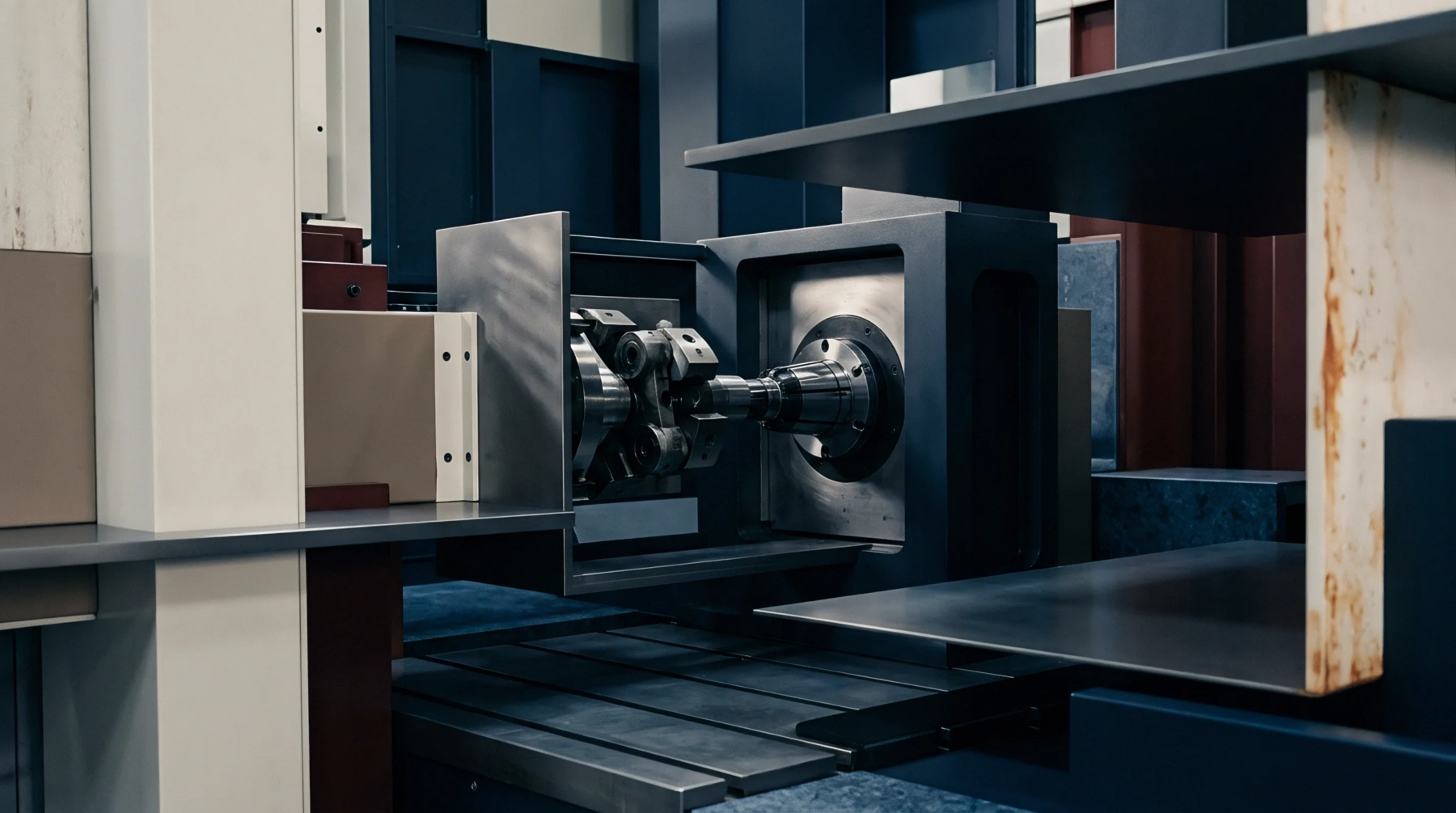
Tooling Amortization Costs
Meaning ~ Asset recovery fees added to per-piece prices cover the design and build of custom equipment until a designated volume threshold cancels the debt.
Contractual provisions establish the financial and legal terms under which a buyer may purchase ownership of proprietary assets or intellectual property currently held or managed by a supplier. This mechanism defines the point at which a party can pay a predetermined sum to terminate an existing lease or manufacturing arrangement and take full control of the physical tools or designs. It applies to molds, dies, specialized machinery and software code that are essential for production but are technically owned by the vendor through a previous financing agreement.
A buyout clause marks the boundary where the supplier’s right to hold the asset as collateral or use it for other clients ceases. The text governs the transition of possession and ensures that the buyer can move production to a different facility without losing the specialized equipment required for the parts.
Calculations for the exit price usually rely on a depreciation model or a fixed premium over the original fabrication cost. A buyout clause specifies whether the payment covers only the residual book value of the hardware or includes compensation for lost future revenue the vendor expected from the contract. Negotiators often debate the inclusion of storage fees and decommissioning costs within the final amount.
If the price is too high, the buyer is trapped in the relationship. A price that is too low may leave the supplier undercapitalized for future projects. Most agreements require the funds to be transferred in a single lump sum before any physical movement of the equipment is permitted by the warehouse staff.
This financial barrier ensures the vendor is not left with an empty factory and unpaid invoices. When the equipment involves high precision engineering, the cost may also account for the intellectual property embedded in the design of the tool. Some contracts include a sliding scale where the purchase price drops drastically after a certain number of units have been produced or a specific time has elapsed.
This creates a fair balance between the initial investment made by the supplier and the long term needs of the buyer.
Legal transfer of title occurs only after the final payment is cleared and confirmed by both parties. This part of the buyout clause requires the vendor to hand over technical drawings, maintenance logs and any specific calibration data needed to run the equipment elsewhere. Failure to provide these supporting documents can render the physical asset useless in a new facility.
The document also stipulates the physical condition the equipment must be in at the time of the handover.
Exercising the right to purchase usually follows a breach of contract or a strategic shift in the manufacturing location. The buyout clause protects the supply chain from being held hostage if a vendor experiences financial distress or decides to raise prices unexpectedly. It creates a clear exit path that avoids the need for litigation over property rights.
Once the trigger is pulled, the transition period begins according to a strict timeline defined in the master agreement. Parties must coordinate the logistics of moving heavy machinery while ensuring that production schedules are not interrupted for longer than the agreed window. Final ownership is confirmed when the asset arrives at the new facility and passes an initial inspection.
Meaning ~ Asset recovery fees added to per-piece prices cover the design and build of custom equipment until a designated volume threshold cancels the debt.
Expertise is a utility, not a secret. sentiention™ publishes its working knowledge as open reference: intelligence layer covering the materials it sources, the markets it enters, and the reference that serves both.