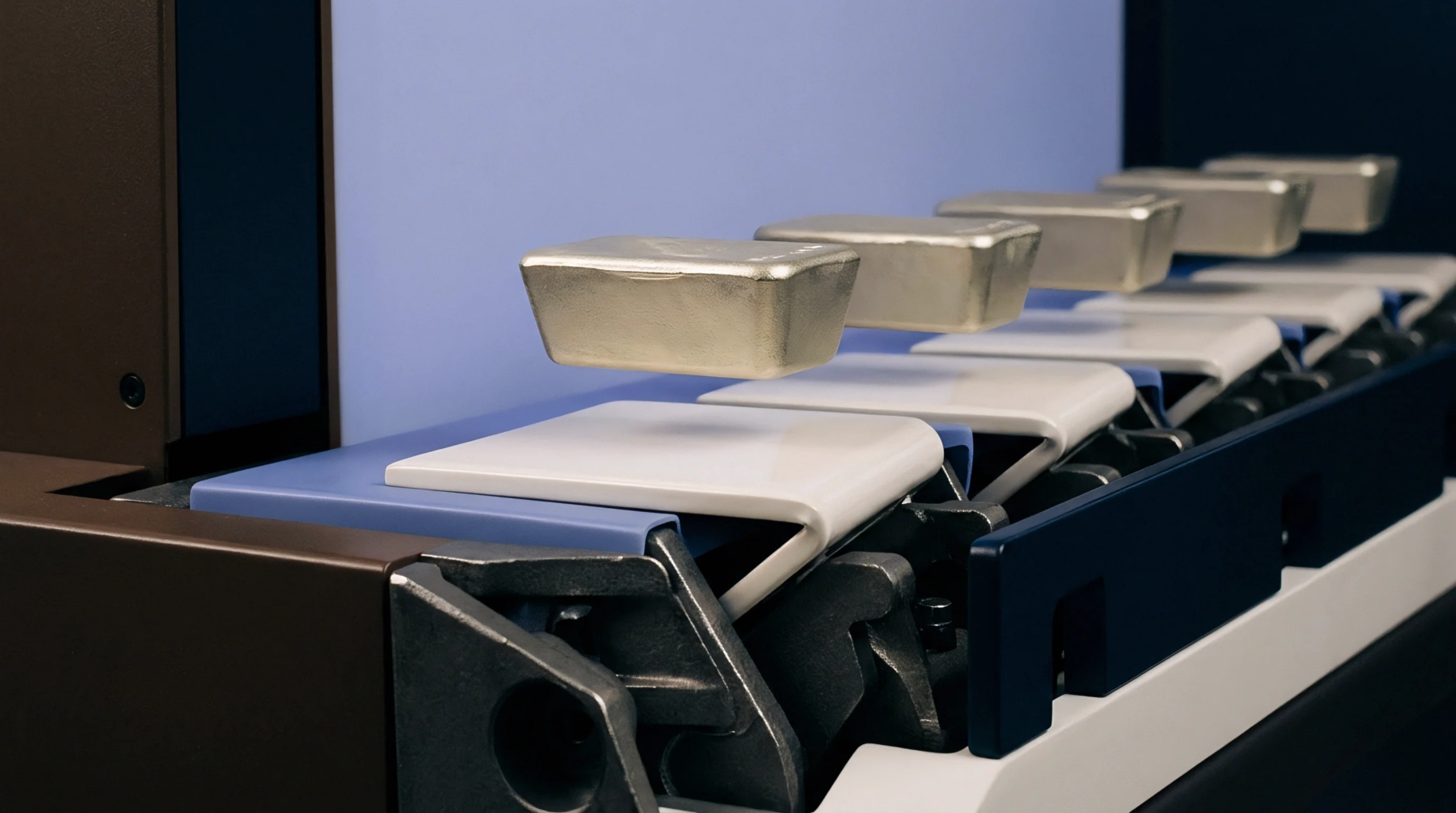
Terminal Automation ROI
Meaning ~ Metric evaluating the financial viability of autonomous equipment upgrades based on productivity gains against total acquisition and operating costs.
Asset depreciation is the systematic accounting allocation of a physical asset cost over the estimated useful life of that resource. Industrial buyers encounter asset depreciation inside the balance sheet and the manufacturing overhead schedule, where production machinery and tooling lose book value over successive fiscal periods. International supply contracts rarely mention asset depreciation directly, but the concept governs tooling amortization clauses embedded in long term master supply agreements.
Calculating the annual reduction involves dividing the initial acquisition expenditure minus the residual scrap value by the expected operating lifespan of the equipment. Financial controllers apply straight line formulas or accelerated balance decline methods to match expense recognition with factory output generation. Statutory accounting rules dictate mandatory reporting standards for tangible assets across jurisdictions, whereas commercial practice often separates tax depreciation schedules from internal managerial accounting records.
Production equipment depreciation stops accumulating once the book value reaches zero or the asset undergoes complete disposal, transfer, or impairment write off.
Manufacturing overhead calculations incorporate asset depreciation to determine true unit production costs before procurement teams negotiate final pricing tiers with overseas suppliers. Factory managers track machinery wear patterns because excessive downtime alters the depreciation baseline and skews cost of goods sold calculations. Suppliers often attempt to amortize dedicated tooling expenses across shorter timeframes than the actual physical capability of the molds dictates.
Buyers counter this practice by demanding transparency regarding machine capacity limits and maintenance logs before signing capital expenditure addendums. Understating equipment reduction expenses artificially inflates net operating income, masking the eventual capital replacement liability that sits dormant within the factory walls.
Asset valuation disputes surface during commercial audits when local tax authorities challenge the residual scrap estimates assigned to heavy stamping presses imported from another continent. Procurement officers face friction when factory partners demand compensation for accelerated machinery consumption caused by surging production volumes during peak seasonal demand spikes. Auditors verify physical existence against fixed asset registers by inspecting serial numbers stamped directly onto production lines during annual plant walkthroughs.
Discrepancies emerge when operational personnel relocate machinery between different facilities without updating central financial tracking software, invalidating regional tax compliance filings. Parties resolve these valuation disputes by appointing independent industrial appraisers to inspect equipment condition and determine fair market replacement values.
Deferred equipment maintenance accelerates asset depreciation curves by forcing mechanical components to operate under severe thermal and physical stress beyond normal engineering tolerances. Factory operators mitigate rapid value loss through preventative maintenance schedules and scheduled overhauls that extend the productive lifespan of expensive milling centers. Buyers retain the legal right to audit factory maintenance records to ensure suppliers do not neglect critical upkeep routines that would force premature capital expenditure requests.
Delayed machinery replacement cycles eventually reduce manufacturing quality, triggering high defect rates and costly shipment rejections at the port of destination. Prudent procurement strategies tie future supplier contract renewals directly to documented capital reinvestment metrics and verifiable equipment modernization programs.
Meaning ~ Metric evaluating the financial viability of autonomous equipment upgrades based on productivity gains against total acquisition and operating costs.
Expertise is a utility, not a secret. sentiention™ publishes its working knowledge as open reference: intelligence layer covering the materials it sources, the markets it enters, and the reference that serves both.