Carriage Contract
Meaning ~ A legally binding agreement between a shipper and a carrier that defines the terms, fees, and risk allocations for transporting cargo across borders.


Instrument
A contract of carriage is the legally binding agreement between a consignor and a transport provider setting out the terms, routes, and liabilities for moving merchandise across international borders. It establishes how a carrier takes custody of goods and commits to delivering them at a designated point, governing the entire period the operator holds physical control of the consignment from receipt to final release. Unlike the underlying sales contract between buyer and seller, this agreement directly binds the party executing the physical movement, taking legal precedence for the transit itself.
Its scope remains confined to transit operations, defining boundaries for operational performance, cargo care, and dispute resolution for loss or damage. Once freight arrives and the consignee signs the delivery receipt, the active term of the agreement ends, leaving only pre-existing transit claims to be settled under its provisions.
Dock
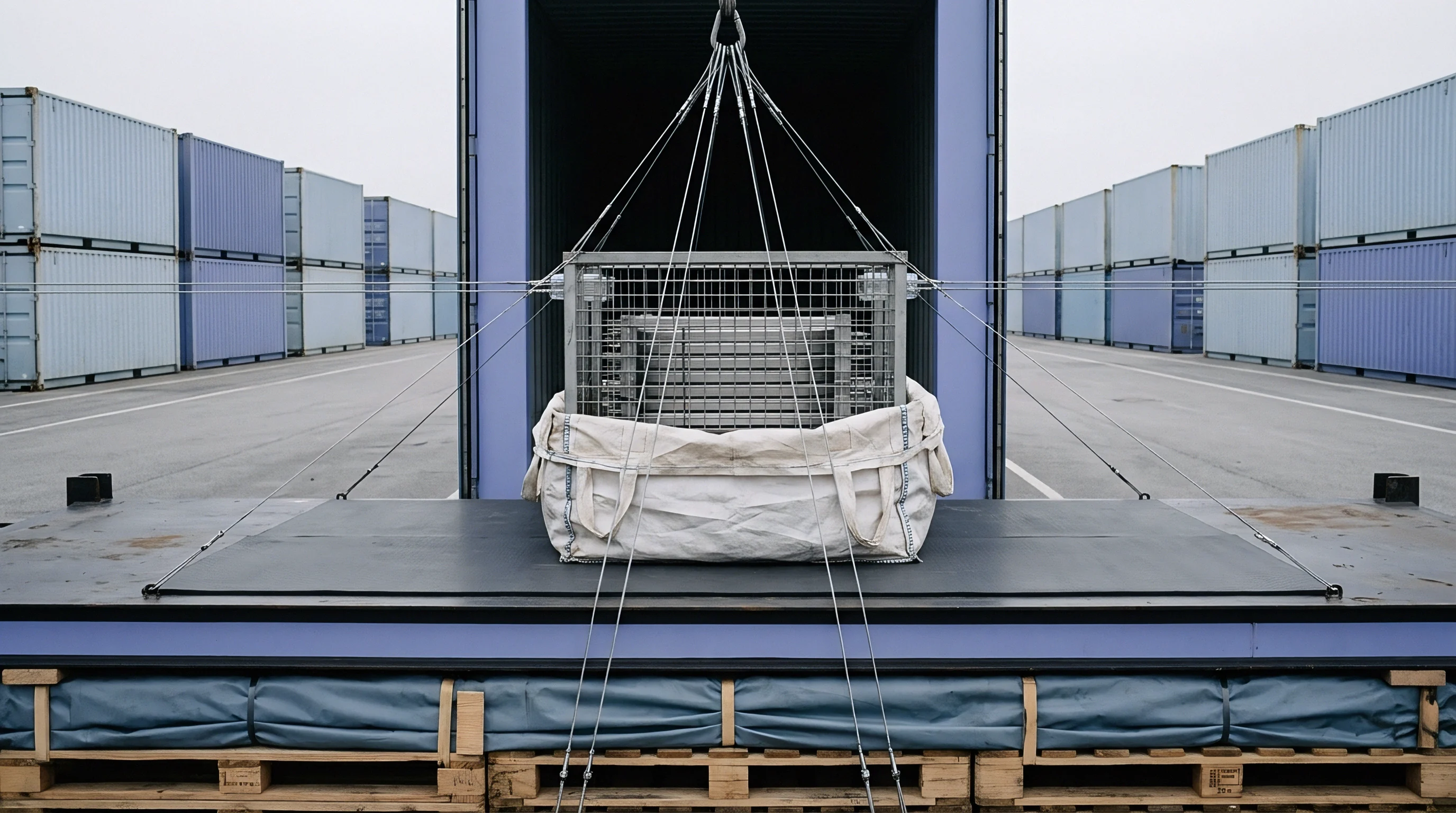
Physical custody changes hands at the exact geographical point where the seller fulfills its initial transport obligations. Under multimodal rules, delivery occurs the moment the shipper hands cargo to the first carrier. Past this transfer point, all risk of damage or delay shifts to the buyer, even if the seller remains commercially responsible for paying the main freight bill.
Importers who miss this distinction between risk transfer and cost allocation often find themselves carrying uninsured losses when casualties occur at sea.
The physical transfer at a maritime terminal or airport gate is the focal point where legal and operational responsibilities divide.
Sellers who omit the exact delivery point under Carriage Paid To terms choose a handover location that increases the buyer’s local cartage costs.
To prevent disputes, sales contracts and transport bookings should name a specific geographic terminal rather than a broad municipal area. On multi-stop inland routes, handing cargo to the initial road hauler or rail operator starts the buyer’s transit risk clock. Without clear documentation from the carrier confirming cargo condition at that handoff, pursuing recovery later becomes nearly impossible.
- carriage contract provisions sometimes specify a delivery point that diverges from the sales contract, shifting risk of loss prematurely.
- carriage contract bookings executed through unvetted forwarders often omit detention and demurrage caps, leaving importers exposed to uncapped port storage fees.
- carriage contract terms occasionally permit carrier transshipment, adding weeks to transit schedules and risking cargo spoilage.
For importers, the essential practice is stipulating the exact maritime terminal or airport of delivery directly within the primary purchase order.

Liability
Carrier accountability for cargo damage or loss during international transit is governed by global treaties setting statutory limits on financial recovery. Frameworks like the Hague-Visby and Hamburg rules balance carrier obligations against commercial protections to prevent unlimited exposure. While carriers remain duty-bound to ensure seaworthiness, properly crew the vessel, and securely stow cargo, statutory defenses protect operators from liability caused by fire, strikes, or acts of God.
Recovery calculations rely on either the weight of the damaged goods or the total package count as the baseline metric.
| International Convention | Per Package Limit | Per Kilogram Limit | Time Bar for Claims |
|---|---|---|---|
| Hague Rules | 100 GBP | Not Applicable | 1 Year |
| Hague-Visby Rules | 666.67 SDR | 2.00 SDR | 1 Year |
| Hamburg Rules | 835.00 SDR | 2.50 SDR | 2 Years |
| Rotterdam Rules | 875.00 SDR | 3.00 SDR | 2 Years |
| Note: Special Drawing Rights (SDR) valuation fluctuates daily based on the International Monetary Fund basket of currencies. | |||
Maritime carrier liability under the Hague-Visby rules cannot exceed two special drawing rights per kilogram unless the shipper declares a higher value on the bill of lading before loading.
These statutory ceilings apply to ocean transit and are expressed in Special Drawing Rights, which fluctuate against global currencies. Under the widely enforced Hague-Visby rules, recovery cannot exceed 666.67 Special Drawing Rights per package or 2.00 per kilogram, whichever is higher. Shippers needing full protection must either secure independent marine cargo insurance or pay a freight surcharge to declare actual cargo value on the transport document.
Inserting a Paramount Clause into the carriage contract explicitly incorporates the Hague-Visby rules, confirming that these statutory limits apply across every leg of the voyage.

Paperwork
Documents recording the cargo load and transport agreement are issued to the shipper as either negotiable or non-negotiable instruments. The bill of lading serves as primary evidence of the agreement, functioning as both cargo receipt and document of title. In ocean shipping, a negotiable bill allows the cargo owner to transfer title while the vessel is en route by endorsing the document to a third party.
Alternatively, non-negotiable sea waybills or air waybills expedite delivery by allowing consignees to claim goods without presenting physical paper certificates.
The exact details recorded on these forms dictate how terminal fees, freight charges, and cargo releases are handled on arrival.
A clean sea waybill confirms the carrier has received the physical shipment in apparent good order.
- Locate the shipper field on the draft bill of lading and ensure it matches the exporter name on the commercial invoice.
- Verify that the “Freight Prepaid” or “Freight Collect” box is checked in accordance with the agreed Incoterms of sale.
- Compare the listed gross mass, piece count, and shipping marks against the packing list before authorization.
- Execute the transport booking with the primary ocean line or airline to obtain a unique booking reference.
Discrepancies between the commercial invoice and the carrier’s receipt lead banks to reject letter of credit presentations, creating severe payment delays. Importers avoid these holds by carrying out rigorous document audits before shipment.
When terminal delays occur, logistics providers routinely cite extreme weather or labor disruptions as force majeure events to excuse missed transit guarantees.

Arithmetic
Financial recovery on transit claims depends heavily on the relationship between gross shipment weight and actual commercial value. Consider a shipment of high-value printed circuit boards weighing 150 kilograms with an invoice value of 120,000 USD. If the vessel encounters a storm and cargo is lost, carrier liability under the Hague-Visby limit of 2.00 Special Drawing Rights per kilogram produces a maximum recovery of just 300 Special Drawing Rights.
With one Special Drawing Right valued at 1.33 USD, the statutory payout amounts to just 399 USD, leaving the buyer holding an uninsured loss of 119,601 USD unless separate cargo coverage is in place.
The scenario shifts when shipping heavy, lower-value goods like industrial brass valves or aluminum extrusions. For these cargoes, weight-based limits cover a far higher proportion of commercial value, though recovery can still fall short of full compensation.
| Cargo Type | Gross Mass (kg) | Invoice Value (USD) | Liability Recovery (USD) | Buyer Exposure (USD) |
|---|---|---|---|---|
| Semiconductor Wafers | 150 | 120,000 | 399 | 119,601 |
| Industrial Brass Valves | 4,200 | 380,000 | 11,172 | 368,828 |
| Aluminum Extrusions | 12,000 | 45,000 | 31,920 | 13,080 |
Failing to secure supplementary marine cargo insurance based on full CIF value plus ten percent leaves the buyer absorbing the loss whenever carriers invoke statutory weight-based limits.


Obligation
Sellers and buyers assign freight booking and risk management under standard three-letter Incoterms. Under Carriage Paid To rules, the seller selects the carrier, executes the carriage contract, and pays freight to the named destination. While this relieves the buyer from managing origin-side logistics, risk of loss shifts to the buyer the moment the first carrier takes possession ~ a division that requires careful coordination.

Does the Sales Contract Govern the Carrier?
No direct contractual relationship exists between the buyer and carrier under Carriage Paid To or Carriage and Insurance Paid To terms. If cargo arrives damaged, the buyer must rely on the seller to supply shipping documents or pursue claims on their behalf, often creating friction. To bypass this, experienced buyers secure their own transit coverage or insist on carriage contracts that name them as joint loss payee.
- carriage contract bookings negotiated by sellers under C-group terms require prompt dispatch notification so the buyer can place transit insurance.
- carriage contract details should be cross-checked against local port tariffs to confirm that terminal unloading charges are covered.
- carriage contracts written under liner terms include terminal discharge fees that would otherwise fall to the consignee under standard conditions.
Whether terminal operators can lawfully hold cargo for unpaid freight when a primary contractor enters bankruptcy remains a sharply contested issue in maritime courts.