Applicant
Meaning ~ Buyer who instructs the issuing bank to open a documentary letter of credit, assuming liability for the payment of compliant documents under UCP 600 rules.


Paperwork

The Legal Persona
Under Article 2 of the Uniform Customs and Practice for Documentary Credits, the applicant sits at the start of the trade finance circuit, instructing the issuing bank to open an irrevocable documentary credit on its behalf. As the buyer in the cross-border transaction, this party pledges its corporate credit facility or cash deposit to guarantee payment to the beneficiary supplying the goods.

Documentary Directives
SWIFT Field 50 on the MT700 issuance message fixes this identity on an instrument that remains irrevocable without the agreement of all parties. Because the bank deals solely with the documents presented by the beneficiary ~ operating entirely apart from the underlying sale contract ~ the applicant’s primary legal defense rests on defining strict, objective documentary terms in the initial application.


Transit

Risk Allocation
Shipping under a credit requires matching the transport document’s consignee and notify party fields directly to the buyer’s application. Because an ocean bill of lading functions as a document of title, the applicant relies on the precise wording of the credit to govern physical delivery of the cargo.
Selecting an Incoterm where the seller arranges transport reduces the buyer’s tracking burden but requires stricter document check controls under the credit.
Under standard maritime shipping procedures, the carrier releases cargo only to the named consignee or against their formal endorsement. If the shipment moves under Carriage and Insurance Paid To or Cost, Insurance and Freight terms, the bank verifies that the insurance policy covers the transit risks. Risk passes from seller to buyer at the port of loading, while the buyer’s financial liability remains tied to paper until complying documents arrive at the counters of the nominated bank.
- applicant name mismatches on ocean bills of lading hold up customs clearance and trigger demurrage charges at the terminal.
- applicant failure to secure the required insurance certificate before the vessel departs can void coverage under CIF terms.
- applicant delays in instructing carrier selection on FOB terms risk missed vessel sailings and shutdown of plant production.
Aligning transport documentation requirements with the physical freight schedule keeps cargo moving from the vessel hold through customs without administrative impoundment.


Ledger

Financial Allocation
Opening a documentary credit encumbers the commercial buyer’s revolving lines or dedicated cash collateral for the entire lifespan of the instrument. Once the issuing bank transmits the SWIFT message, those funds remain blocked, reducing available working capital. The applicant maintains the underlying credit relationship with the issuing bank, which acts as the direct payer against the beneficiary’s complying presentations.
This liability sits off-balance-sheet while exerting a direct claim on treasury resources until the bank settles or cancels the commitment.
- Execute the underlying sales contract specifying letters of credit as the settlement method.
- Submit a formal application to the issuing bank detailing required documents and deadlines.
- Confirm the bank has allocated sufficient revolving credit limit or locked cash collateral to cover the draft.
| Field Number | Field Name | Main Requirement | Discrepancy Trigger |
|---|---|---|---|
| 50 | Applicant Name | Matches the company name on commercial invoices exactly. | Slight spelling variations or omission of corporate designators. |
| 31D | Date and Place of Expiry | Allows time for presentation of documents after shipping. | Presentation of documents after the stated expiry date. |
| 44C | Latest Shipment Date | Aligns with vessel scheduling and production lead times. | On-board bill of lading date falls after the specified limit. |
The relationship between the applicant and the issuing bank is governed by a reimbursement agreement. In this separate contract, the buyer agrees to pay the bank the full amount drawn by the beneficiary plus associated costs and fees. If the applicant defaults when the bank honors a complying presentation, the bank retains the right to seize the underlying goods or liquidate the blocked funds.
Standard banking facilities also rely on indemnity clauses that shift exchange rate volatility away from the bank and directly onto the commercial buyer’s books whenever settlement involves foreign currency.

Dock

Physical Presentation
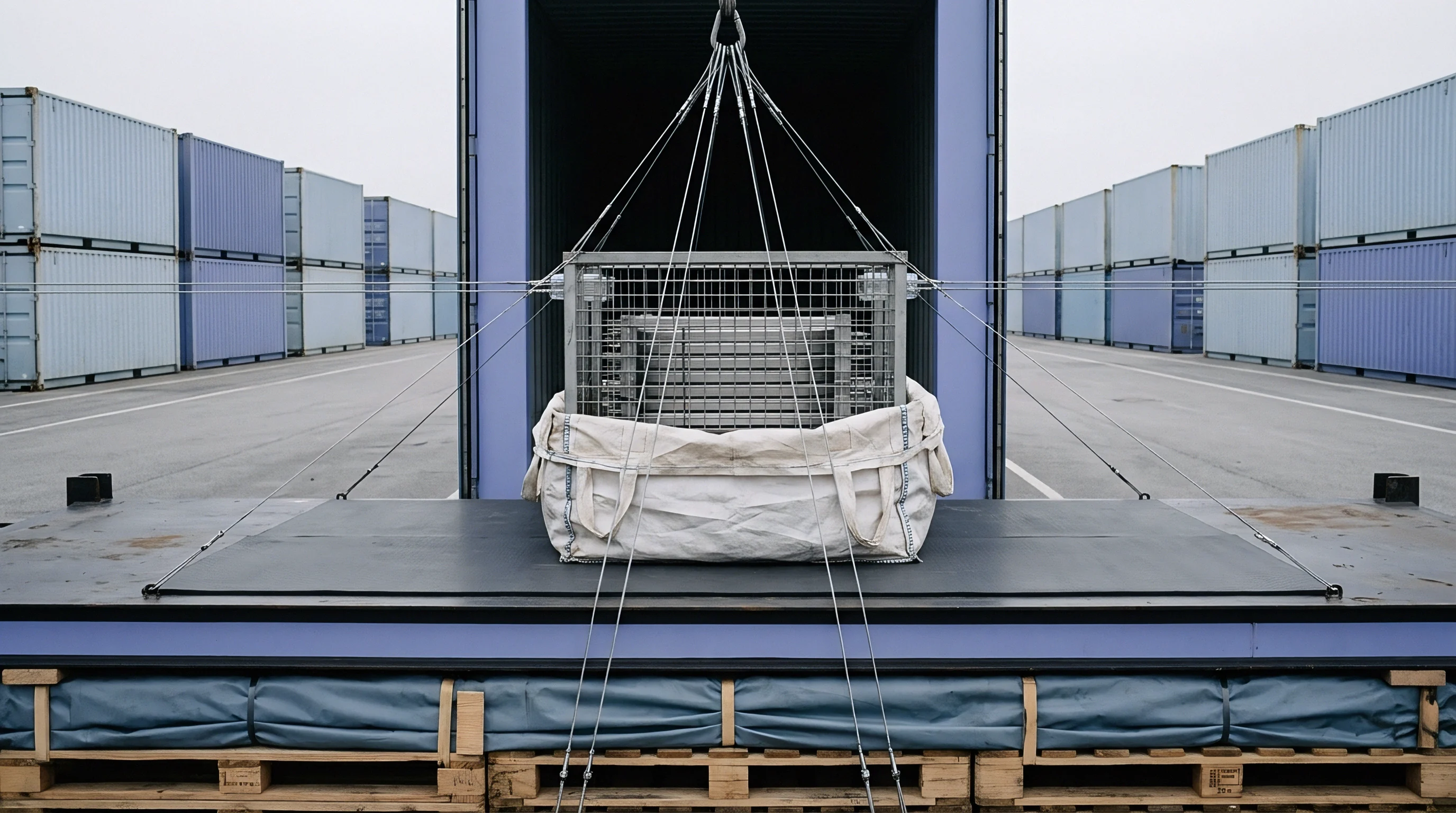
Cargo frequently arrives at the port of discharge ahead of clean transport documents, leaving shipments locked in customs until discrepancies are cleared. Even when an inspector unseals a container of structural steel or electronic components and confirms the goods match the commercial invoice, the applicant holds no legal authority under banking practice to accept or reject documents on its own. That authority belongs strictly to the bank under Article 14 of the Uniform Rules.
If presented documents contain defects, the issuing bank dispatches a notice of refusal to the presenter, itemizing each individual error.
Article 14 of the UCP 600 allows banks a maximum of five banking days following the day of presentation to determine if a presentation is complying.
When a bank notes a discrepancy, it contacts the applicant to ask whether it will waive the fault. Agreeing to accept non-conforming paperwork is an operational risk, since it forfeits the buyer’s right to demand strict documentary compliance. If the applicant issues the waiver, the bank settles with the beneficiary and transfers the transport documents to the buyer for cargo release.
If the applicant refuses, the rejection stands, leaving the beneficiary to negotiate alternative settlement or repossess the freight.
When agreed shipment dates lapse, regional container shortages across export hubs frequently account for the transit delays rather than factory scheduling failures.


Arithmetic

How Does Applicant Exposure Affect Credit Lines?
Submitting an application to establish a documentary credit sets off opening commissions, SWIFT dispatch fees, and amendment surcharges assessed as percentages of total credit value. These costs feed straight into the total landed expenditure of the import. Banks routinely bill opening commissions of one-quarter percent per quarter alongside fixed transmission fees for every outgoing message.
Beneficiary amendment requests add incremental administrative expenses to the applicant’s statement.
- applicant scrutiny of amendment clauses prevents costly payment delays.
- applicant approval of bank fees ensures accurate landed cost calculations.
- applicant reconciliation of credit margins maintains positive cash flow balances.
| Fee Category | Standard Rate Range | Calculated Cost | Underlying Assumption |
|---|---|---|---|
| Opening Commission | 0.25% to 0.50% per quarter | $500.00 | Assumes 0.50% rate on a ninety-day exposure window. |
| SWIFT Transmission | Flat fee per message | $75.00 | Standard bank charge for outward MT700 message. |
| Amendment Charge | Flat fee plus commission | $150.00 | Covers single amendment adjusting shipment dates. |
| Total calculated bank cost equals $725.00 on a ninety-day credit. | |||
Opening commissions of one half of one percent on a cash-collateralised credit increase the transaction’s landed costs by five hundred dollars for every hundred thousand dollars of goods shipped.
Mismatches between credit expiry dates and manufacturing lead times cause the instrument to lapse automatically, leaving the buyer responsible for terminal demurrage without holding legal title to bespoke cargo.


Dispute

Autonomy Principle
Article 4 of the Uniform Customs and Practice for Documentary Credits separates bank settlement undertakings from grievances rooted in the underlying sales agreement. The bank pays against compliant paperwork regardless of the buyer’s assessment of cargo quality. Even if the applicant discovers that the physical consignment is defective or non-conforming, the bank cannot decline payment if presented documents appear regular on their face.
This structural barrier shields exporters from opportunistic payment withholding by buyers.
The recognized exception to the autonomy principle is established fraud. If the applicant proves that the beneficiary presented forged documents or engaged in intentional deceit, the buyer may seek a judicial injunction restraining the bank from paying out. Courts require clear, unambiguous proof of intentional fraud before intervening, as blocking letter of credit drafts disrupts international banking settlement mechanisms.
Outside such cases, the applicant must honor the bank’s drawing first and seek contractual remedies against the seller later through litigation or arbitration.
Commercial attorneys continue to debate whether electronic presentation of documents will reduce or increase the occurrence of fraudulent bills of lading in cross-border trade.