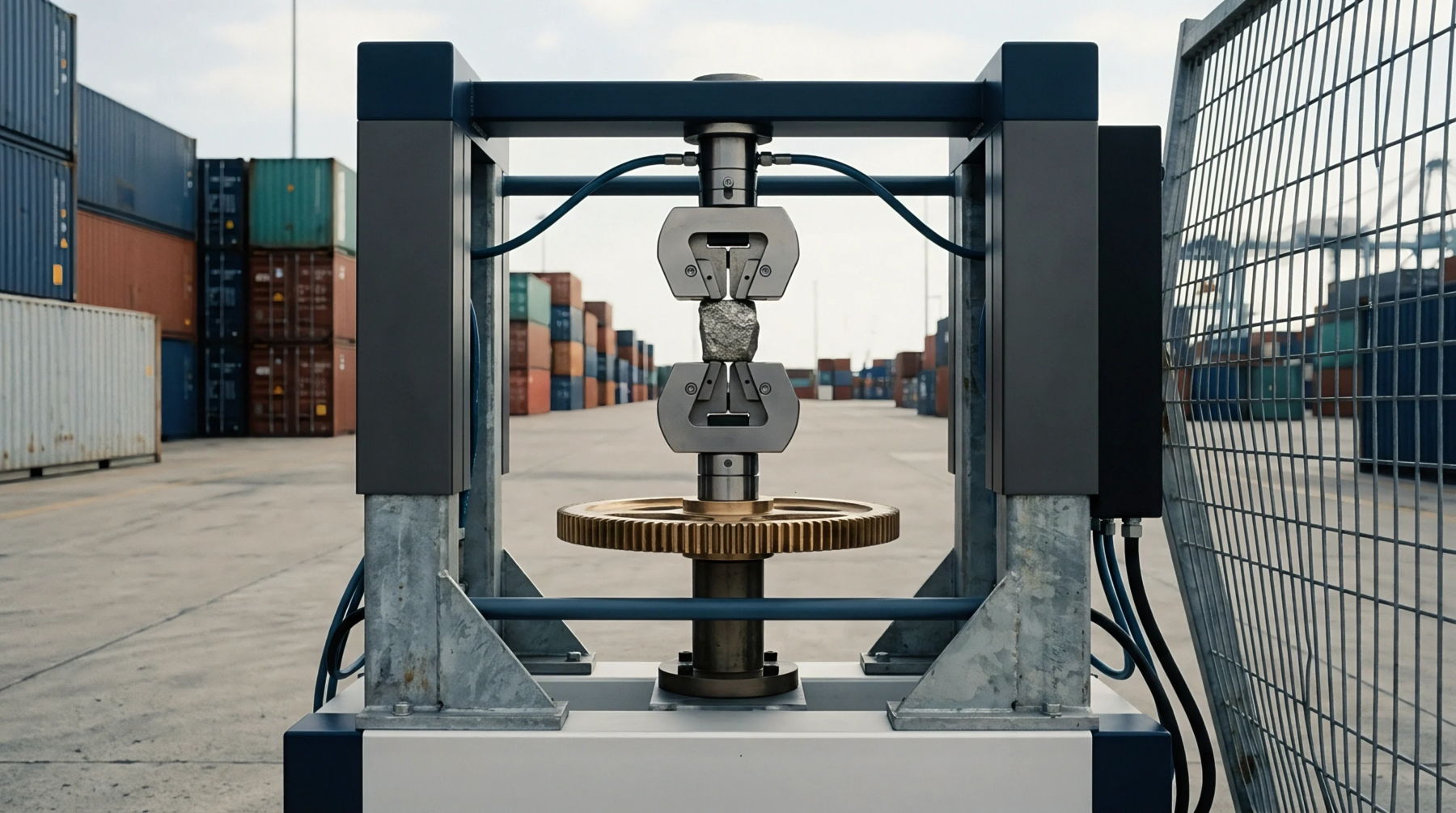
Meaning
Identification of the point of extraction or primary production constitutes the baseline for establishing commodity provenance and regulatory compliance. Raw material sourcing establishes the geographical and environmental origin of inputs used in manufacturing processes. This verification step provides the chain of custody required for international trade agreements and customs valuation.
Contractual Compliance
Documentation requirements include mill certificates and origin affidavits to ensure that input quality aligns with agreed technical specifications. Commercial agreements often mandate specific supplier audits to verify that the extraction methods meet stated ethical or environmental standards. Buyers demand these proofs to mitigate risks associated with supply chain disruptions or regulatory penalties at the point of entry.
Any failure to provide accurate origin data triggers a reclassification of goods, potentially incurring higher tariff rates or entry rejection by trade authorities.
Market Variability
Price volatility frequently stems from geographic concentration, where regional weather events or local regulatory shifts impact the availability of essential inputs. Manufacturers manage this risk by diversifying suppliers across different sovereign jurisdictions. Strategic buyers monitor geopolitical stability and resource depletion rates to project long-term acquisition costs.
Hedging strategies rely on stable input flows, making the geographic focus of supply chains a central variable in production planning.
Verification Protocol
Rigorous testing of samples against standardized benchmarks confirms whether the materials arriving at the plant match the grades promised in the original purchase order. Technical analysts employ mass spectrometry or microscopic fiber inspection to detect adulteration or substitution at the source. Accurate classification of these inputs determines the final tax liability and environmental credit eligibility for the finished product.
Proper authentication of incoming goods prevents downstream manufacturing defects and protects the legal standing of the importing entity in highly regulated global markets.