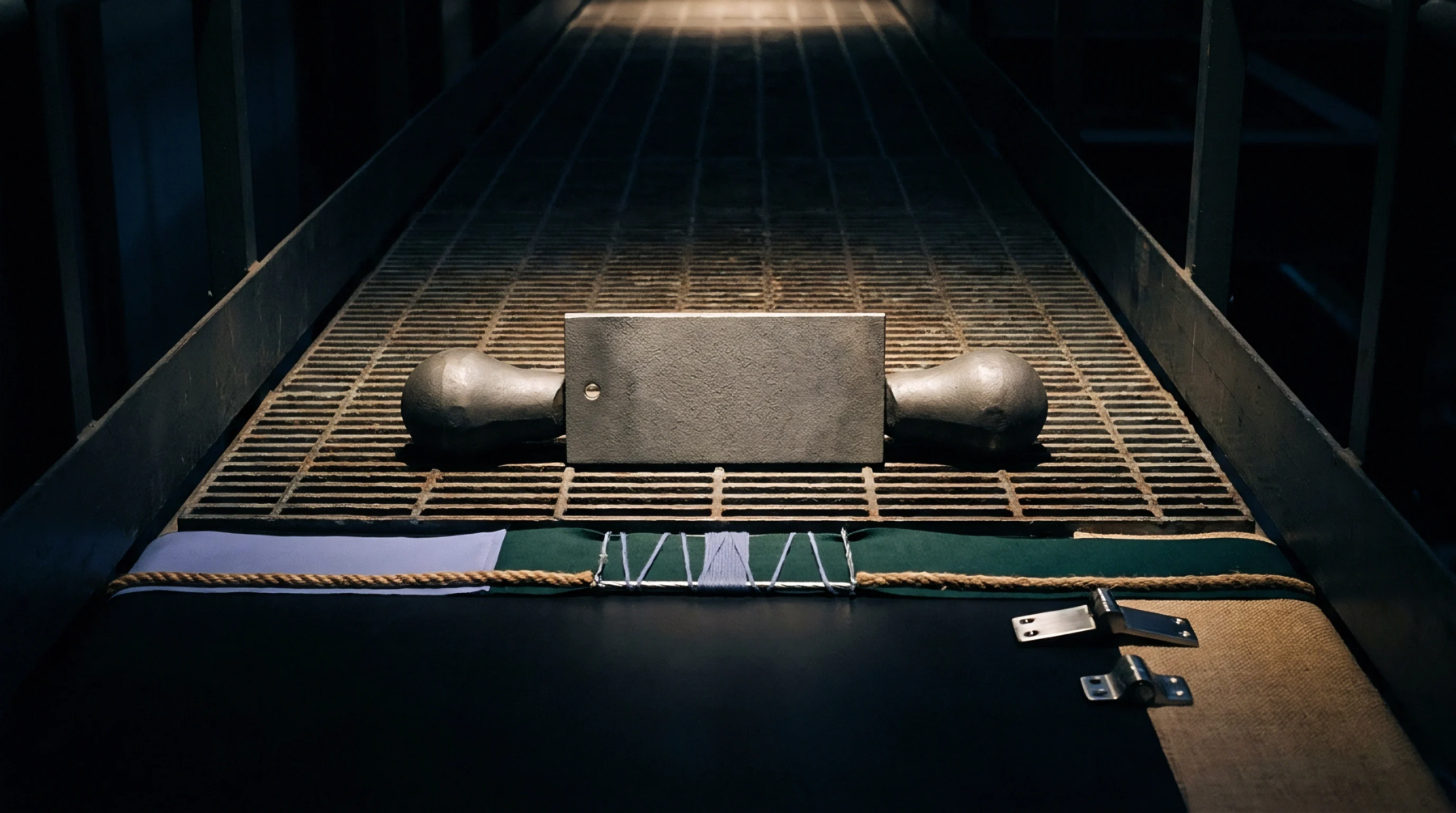
Non-Recurring Engineering
Meaning ~ Non-Recurring Engineering is the one-time cost itemized in supply agreements to cover custom tooling, design, and testing required to initiate manufacturing.
Dedicated hardware assemblies that simulate the final operating environment of a product to verify that all electrical and mechanical systems perform according to the intended design parameters ensure the utility of the unit. This functional test fixture is used at the end of the production line to catch defects that were missed during earlier stages of assembly. It provides the final confirmation that a device can power on, communicate with other systems and perform its intended tasks.
The boundary of the fixture is the physical interface between the machine and the product, and it does not test the internal components at a microscopic level. It governs the shipping decision, as no product is allowed to leave the factory without passing this final gate.
Systems inside the fixture connect to the product through plugs, pins or wireless signals to run a pre-programmed sequence of tests. This functional test fixture mimics the way a consumer would use the product, such as pressing buttons or checking the display. The test software records the voltage, the current and the response times of the device.
If any of these values fall outside the pre-set limits, the fixture will trigger a red light and prevent the operator from packing the unit. This automated process is much faster and more reliable than a human inspector trying to check every feature. The fixture also logs the serial number of every unit, creating a complete history of the test results for future reference.
This data is essential for analyzing the root cause of any failures that happen during the production run.
Performance of the factory is often measured by the first pass yield at this station. This functional test fixture shows exactly how many units were built correctly the first time. If the yield is low, it indicates a problem with the assembly process or the quality of the components being used.
Engineers use the failure codes from the fixture to identify which part of the line needs to be fixed. A well-designed fixture will have a fast cycle time so that it does not become a bottleneck for the rest of the factory. If the tester takes too long, the factory will have to build multiple fixtures, which increases the capital cost of the project.
Maintaining the software and the physical pins of the tester is a daily task for the maintenance crew.
Calibration of the sensors and the power supplies inside the tester must be performed regularly to ensure the results are accurate. This functional test fixture can develop its own faults, such as a loose wire or a worn-out connector, which can cause it to fail good parts. These false failures are expensive because they lead to unnecessary rework and wasted time.
The maintenance schedule for the fixture is usually found in the quality manual of the factory. A dedicated technician should be assigned to monitor the performance of all the testers on the floor. If a fixture is found to be out of calibration, all the parts that passed through it since the last check may have to be re-tested.
This risk is managed by running a known-good master sample through the fixture at the start of every shift.
Meaning ~ Non-Recurring Engineering is the one-time cost itemized in supply agreements to cover custom tooling, design, and testing required to initiate manufacturing.
Expertise is a utility, not a secret. sentiention™ publishes its working knowledge as open reference: intelligence layer covering the materials it sources, the markets it enters, and the reference that serves both.