Complying Presentation
Meaning ~ Documentary credit performance requires a submission of transport, commercial, and financial papers that fully aligns with the specified letter of credit terms.


Paperwork
A presentation complies when transport, commercial, and financial documents match the terms of a letter of credit, the Uniform Customs and Practice for Documentary Credits, and standard international banking practice.
A letter of credit is entirely separate from the underlying sales contract. Because banks deal only in paper, they do not examine the physical goods. A seller shipping damaged goods with perfect paperwork still secures the bank’s commitment to pay, while one delivering immaculate cargo with faulty documents loses that guarantee.
Compliance depends entirely on what the paperwork shows.
Incorporating ICC Publication Number 600 into a credit shifts payment risk from the buyer’s financial standing directly onto the bank’s balance sheet.


Ledger

What Happens When Documents Align with Credit Terms?
An exporter’s security rests on the bank’s independent obligation to pay, separate from the sales agreement. Once the presenter satisfies every condition, the bank cannot withhold payment. Trade finance relies on this predictability to move raw materials and components across borders.
- complying presentation standards protect exporters against payment delays by triggering the bank’s binding commitment.
- complying presentation conditions require consistent data across commercial, insurance, and shipping files.
- complying presentation rules ignore actual cargo quality, focusing strictly on paper compliance rather than physical units.
Importers rely on this setup to confirm that shipping and customs papers are in order before releasing funds, while exporters get a payment channel that bypasses buyer credit and political risks.
Article 15 of UCP 600 compels the issuing bank to pay once it determines that the presented documents are compliant.
Failing to achieve document compliance converts a secure bank-backed trade into an unsecured open account transaction.

Transit
Shipping documents carry strict deadlines governing both cargo loading and the period allowed for submitting the file to the bank. The transport document confirms that the beneficiary shipped the agreed goods on schedule. Missing these windows voids the bank’s obligation to pay, leaving the seller exposed to unpaid cargo or abandonment at port.
- complying presentation timelines require all required papers be presented within the specified presentation period, usually twenty-one days after shipment.
- complying presentation deadlines depend on the expiry date of the letter of credit, after which the bank is no longer obligated to pay.
- complying presentation dates cannot precede the issuance date of the letter of credit unless explicit credit terms allow it.
Even a single day’s delay allows the bank to reject the file on the spot. Exporters must manage these timelines closely to avoid default.
Submitting paperwork to the bank well before the final expiry date leaves enough time to retrieve and correct faulty files.
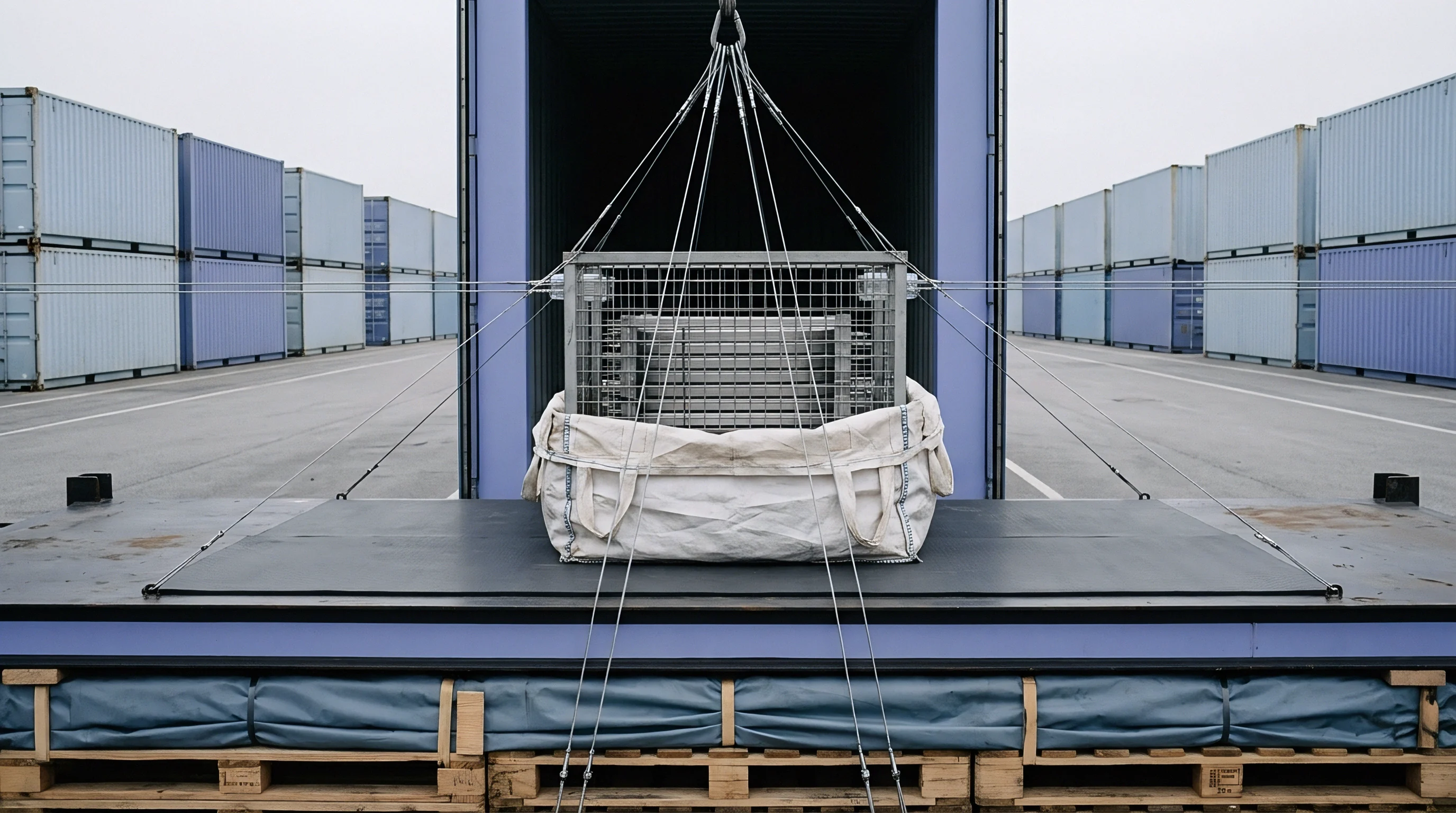
Dock
A carrier’s inspection of cargo or packaging dictates what notes go onto the transport document. If a carrier records damage or leakage, the transport document becomes discrepant and the bank rejects the presentation. Letter of credit terms almost universally require a clean bill of lading, free of any clauses pointing to defects in the cargo or packaging.
Ensuring this requires tight oversight during loading at the plant and dock.
A clean transport document never carries clauses that openly declare the damaged state of the cargo or its packaging.
Shipping lines often add minor notations about surface rust or moisture on raw metal shipments. Such remarks immediately void the bank’s payment obligation.


Flaw

How Do Discrepancies Impact Exporter Risk?
Discrepancy notices from checking banks are the main source of delayed payments and lost credit security. Once a discrepancy is identified, the bank is no longer obligated to pay. Instead, it contacts the buyer for instructions, leaving payment dependent on whether the buyer waives the defects.
This deprives the exporter of leverage and exposes them to renegotiations or destination demurrage.
- Review the bank’s discrepancy notice to pinpoint the exact articles of UCP 600 or paragraphs of ISBP 821 cited.
- Determine whether the documents can be corrected and resubmitted before the presentation window and credit validity expire.
- Ask the buyer for a formal waiver to the issuing bank if the vessel has sailed and transport papers cannot be altered.
- Weigh amendment costs and discrepancy fees against order margins before conceding on price.
Falling commodity prices during transit make exporters particularly vulnerable. In weak markets, buyers often seize on minor document mismatches to reject cargo or demand steep discounts. Whether banks will eventually adopt automated optical character recognition to eliminate subjective checks remains an open question.

Arithmetic
Penalties for document errors add up quickly because banks charge for every minor variation from credit terms. These costs fall on the beneficiary, eroding net margins through administrative deductions. Tracking document errors accurately is essential when calculating the true landed cost of international trade.
Documents fail the first examination seventy percent of the time when the letter of credit requires too many specific fields.
| Fee Type | Typical Cost Range | Assessed Party | Operational Consequence |
|---|---|---|---|
| Discrepancy Charge | USD 50 to USD 150 | Beneficiary | Deducted from the invoice settlement for each incorrect document presented |
| Amendment Fee | USD 100 to USD 250 | Applicant or Beneficiary | Paid per amendment requested to modify credit terms retroactively |
| Advising Bank Check Fee | USD 100 to USD 200 | Beneficiary | Optional fee for pre-presentation document review to prevent formal refusals |
| SWIFT Notification Fee | USD 25 to USD 75 | Beneficiary | Charged for transmitting discrepancy notifications between banks |
| Note: Rates are based on standard retail schedules of international trade banks. | |||
Banks typically deduct these accumulated fees directly from the final remittance, cutting into the exporter’s profit margin before funds land in their account.

Audit
Document examiners have five banking days after the day of presentation to complete their review. This examination looks strictly at the face of the documents, ignoring the physical cargo and underlying sales contract. Examiners check the files against the letter of credit, UCP 600 provisions, and ISBP guidelines, keeping banks from using external commercial disputes as a reason to withhold payment.
| Document Category | Share of Discrepancies | Common Root Causes |
|---|---|---|
| Transport Document | 38% | Missing onboard notations, late shipment, wrong port names, or lack of clean endorsement |
| Commercial Invoice | 27% | Mismatched goods description, wrong currency, or missing itemised unit pricing |
| Insurance Certificate | 19% | Coverage below 110% of CIF value, wrong currency, or late certificate date |
| Certificates of Origin | 16% | Mismatched weight or shipper details compared to the transport document |
If a bank fails to act or notify the presenter of discrepancies within these five banking days, it loses the right to claim the presentation is non-compliant. This rigid cutoff forces banks to either pay or issue a refusal rather than dragging out the process.